Splinter Cell: Deathwatch Review: A Brutal, Bittersweet Return of Sam Fisher Stream or Skip It?
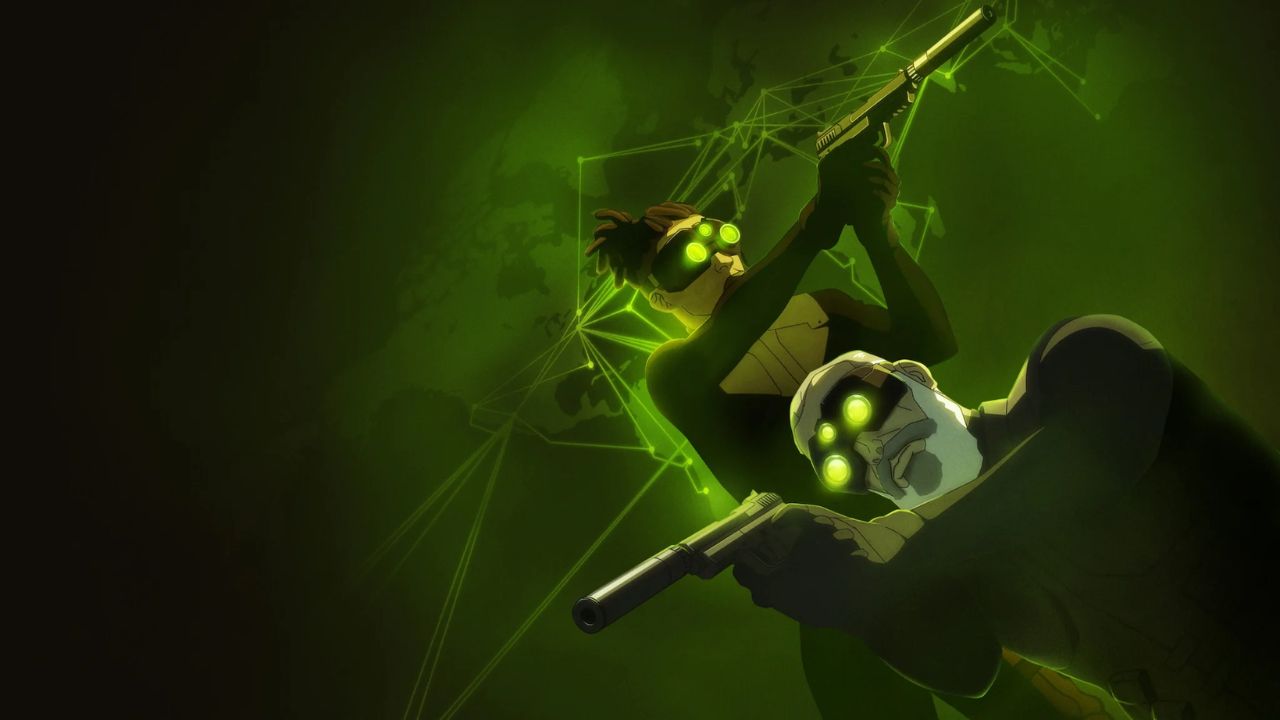
He’s back from retirement, but is this the Sam Fisher we’ve been waiting for?
Netflix’s Splinter Cell: Deathwatch brings a beloved video game icon roaring back to life in a bloody animated espionage thriller that will both delight and divide fans. Helmed by John Wick creator Derek Kolstad, this eight-episode series presents a grittier, more violent take on the stealth franchise, featuring an older Sam Fisher dragged back into the world he thought he’d left behind. But does this adaptation successfully capture the soul of Splinter Cell, or does it become just another generic action show hiding in the shadows?
The Premise: An Old Dog Dragged Back for One Last Job
Splinter Cell: Deathwatch picks up decades after the events of Blacklist, the most recent game in the series. Sam Fisher (now voiced by Liev Schreiber) is living a quiet, retired life on a farm in Poland, having hung up his iconic tri-lens night vision goggles for good . The series initially focuses on Zinnia McKenna (Kirby Howell-Baptiste), a young, brash Fourth Echelon agent whose extraction mission in Lithuania goes catastrophically wrong .
When McKenna’s operation spirals out of control, she has no choice but to turn to the legendary Fisher for help, dragging the reluctant veteran back into the covert world he’d abandoned . Their investigation centers on Displace International, a private military company turned cleantech corporation now run by Diana Shetland, daughter of Douglas Shetland—a name familiar to longtime Splinter Cell fans . As they unravel the conspiracy behind Displace’s supposedly benevolent “Xanadu project,” Fisher and McKenna discover a threat that could kill millions and upset the global balance of power .
Character Deep Dive: The Two Faces of Espionage
Sam Fisher: The Weary Legend
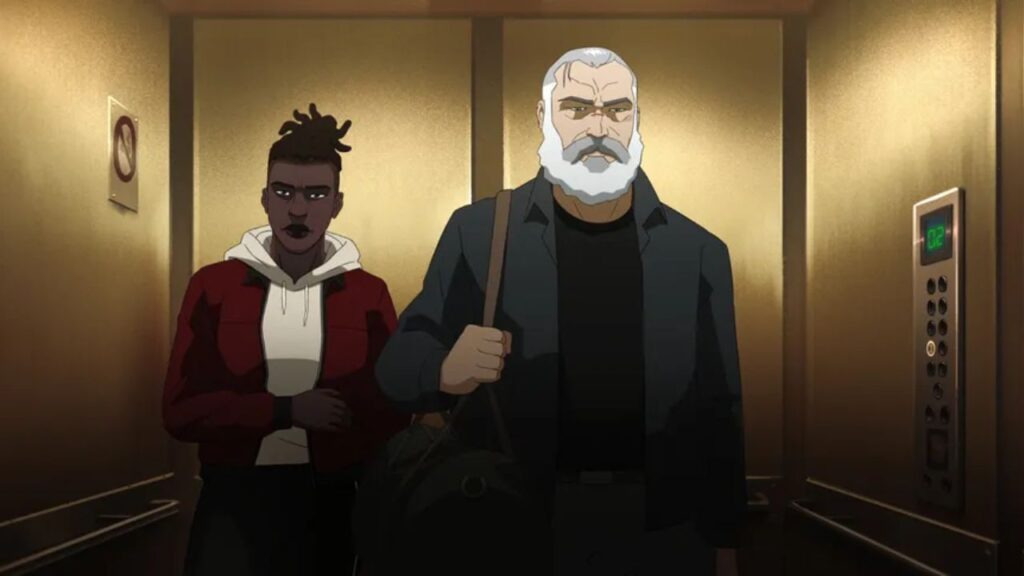
Liev Schreiber steps into the role originated by Michael Ironside, delivering a performance that’s both respectful of the legacy and distinctly his own. This Sam Fisher is world-weary, gruff, and emotionally drained by decades of covert operations . He speaks sparingly, with Schreiber imbuing each line with the weight of countless missions and lost comrades .
The series explores Fisher’s advanced age and reluctance beautifully through both dialogue and animation. His movements, while still precise and deadly, carry a visible fatigue that contrasts sharply with McKenna’s youthful intensity . As one reviewer noted, “Fisher always sees and understands what is happening, but he’s too tired to be drawn into the same way his McKenna is. Even when pieces of his old life come back to haunt him, Fisher is over it all” .
Zinnia McKenna: The Fiery Protégé
Kirby Howell-Baptiste’s McKenna serves as the emotional counterpoint to Fisher’s stoicism. She’s a skilled agent but operates with a rage and impulsiveness that often puts her at odds with Fisher’s methodical approach . The animation brilliantly captures her mounting emotional turmoil, with “her determination and wrath come through in every punch thrown, and every venom-coated threat” .
Their evolving mentor-mentee relationship forms the emotional core of the series, with Fisher seeing echoes of his younger self in McKenna and trying to steer her away from the same destructive paths he followed . This dynamic allows the series to explore themes of legacy, mentorship, and the cyclical nature of violence in the espionage world.
Key Scenes and Action Breakdown: Shadows and Violence

The Pilot Episode: A Masterclass in Setup
The series opens with what reviewers have called “one of the best pilots I’ve ever seen” . The first episode efficiently establishes tension, relationships, and stakes while setting up the unfolding plotlines. Both McKenna and Fisher get moments to showcase their deadly capabilities, with the episode cleverly keeping Fisher largely in the background before fully unleashing him in episode two .
Brutal, Grounded Combat
The action sequences in Deathwatch are visceral, brutal, and surprisingly graphic compared to the games. The show doesn’t shy away from showing the gruesome reality of close-quarters combat . Reviewers note “you’ll see scalpels (and fingers) driven into eyeballs, knives jammed into the sides of skulls, bullets fired into heads, knives rammed into guts, and worse” .
The animation captures the John Wick-esque influence of writer Derek Kolstad, with slick kill setups and meticulously choreographed fights that rival live-action productions . The violence never feels gratuitous, instead serving to illustrate the life-or-death stakes of each encounter .
More on Stream It or Skip It?
Caramelo on Netflix: A Soul-Healing Story About a Man, a Dog, and Unconditional Love Stream or Skip It?

My Father the BTK Killer Review: A Daughter’s Chilling Journey Through Her Father’s Double Life Stream or Skip It?

Stealth and Classic Splinter Cell Elements
For fans worried the series might abandon its stealth roots, Deathwatch features plenty of classic Splinter Cell elements. Agents perform “cool ninja stuff in darkness, they do choke people out, and they do use gadgets” . The series includes several sequences featuring the iconic tri-lens night vision goggles, complete with the classic activation sound effect that will trigger waves of nostalgia for game fans .
The final two episodes, titled “Chaos Theory: Part 1” and “Part 2,” directly reference what many consider the peak of the game series, building on and recontextualizing one of Chaos Theory‘s most memorable scenes .
Content Advisory: Addressing the Mature Elements
Violence and Gore
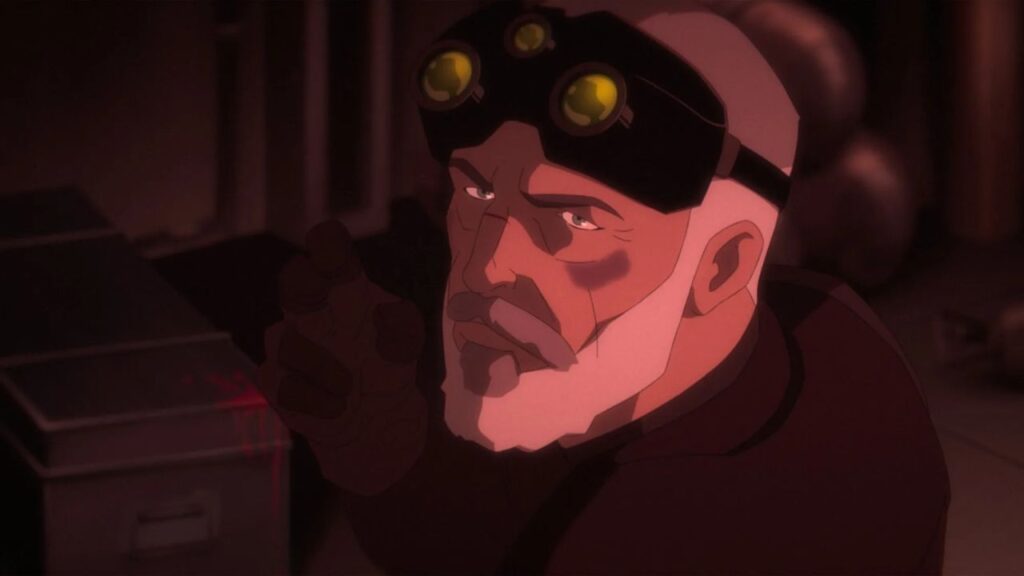
This series is decidedly not for children or the squeamish. The action is frequently brutal and graphic, earning the show its 16+ rating . The violence serves the narrative rather than dominates it, but viewers should be prepared for intense, realistically depicted combat throughout all eight episodes .
Sex and Nudity
For those concerned about sexual content, the search results contain no mentions of sex scenes, nudity, or romantic subplots . The series maintains a focused approach on its espionage thriller narrative and character relationships without venturing into sexual territory. The maturity comes from violence and thematic elements rather than sexual content.
The Verdict: Stream It or Skip It?
STREAM IT if…:
- You’re a fan of the Splinter Cell games and can accept a different interpretation of Sam Fisher
- You enjoy brutal, well-choreographed action with John Wick-esque combat
- You prefer shorter, bingeable series (8 episodes of 22-27 minutes each)
- You appreciate spy thrillers with grounded stakes and personal narratives
- You’re curious about video game adaptations and want to support quality animated content for adults
SKIP IT if…:
- You’re a purist who demands Michael Ironside’s voice and the exact Sam Fisher from the early games
- You prefer the stealth-over-action approach of the original games (this Sam racks up quite a body count)
- You’re sensitive to graphic violence and intense combat sequences
- You’re looking for a completely original story rather than a familiar “one last job” narrative
We’ve shared our thoughts—now it’s your turn! Share your voice below
 Loading ...
The Bottom Line
Splinter Cell: Deathwatch is a bloody, engaging espionage thriller that successfully adapts the franchise for a new medium while making some compromises that may divide long-time fans. Liev Schreiber’s performance as an aged, weary Sam Fisher brings new dimensions to the character, even if it lacks some of Michael Ironside’s iconic charm . The relationship between Fisher and McKenna provides a solid emotional core, and the action sequences are among the best in adult animation .
While the series stumbles occasionally with underdeveloped supporting characters and a plot that “gets a bit nonsensical towards the end” (much like the games themselves), it ultimately delivers a satisfying, binge-worthy experience that honors the spirit of Splinter Cell while carving its own path .
For those who have waited over a decade for new Splinter Cell content, Deathwatch is a welcome—if bittersweet—return to the shadows .
Splinter Cell: Deathwatch
Our Rating:⭐3.5/5
Network Netflix
Genres: Adult Animation, TV Action & Adventure, US TV Shows, TV Thrillers
Release Date: October 14, 2025
Seasons: 1
Episodes: 8
Rate This Series
About The Author