

No One Saw Us Leave Review: A Mother’s Harrowing True Story of Loss and Resilience Stream or Skip It?

What happens when your children disappear and the world looks away?
Netflix‘s No One Saw Us Leave (originally Nadie nos vio partir) is not just another limited series—it’s a devastating true story transformed into a powerful psychological drama that will linger with you long after the credits roll. Based on Tamara Trottner’s autobiographical novel, this five-episode Mexican production tells the haunting story of a mother’s desperate search for her kidnapped children against the backdrop of 1960s elite Jewish society in Mexico . With its raw emotional power and timely social commentary, the series elevates itself beyond typical true-crime drama into something far more profound and unsettling.
The Premise: A Family Shattered by Vengeance
The series opens with a simple yet devastating premise: Valeria Goldberg (Tessa Ía) returns home to discover her two children have disappeared, taken by their own father, Leo Saltzman (Emiliano Zurita) . What begins as a personal tragedy quickly escalates into an international odyssey as Valeria pursues her children across continents, facing stigma, legal obstacles, and the immense power of wealthy families determined to maintain appearances at all costs .
The kidnapping is revealed to be an act of vengeance against Valeria for her “forbidden romance,” a transgression that in the rigid social codes of their world justifies an unthinkable response . As one character notes, “I have just turned five. This is the last day of my childhood”—a line taken directly from Trottner’s book that perfectly captures the moment innocence was stolen .
The Central Conflict: Personal vs. Systemic
While the series follows Valeria’s desperate search, the true conflict extends beyond a simple marital dispute. It quickly reveals itself as a war between two powerful families who “wield their authority and wealth to the ultimate consequences” . This transformation from personal drama to high-stakes thriller involving entities like the FBI and Interpol adds layers of complexity to what might otherwise be a straightforward kidnapping narrative .
Character Deep Dive: Beyond Heroes and Villains
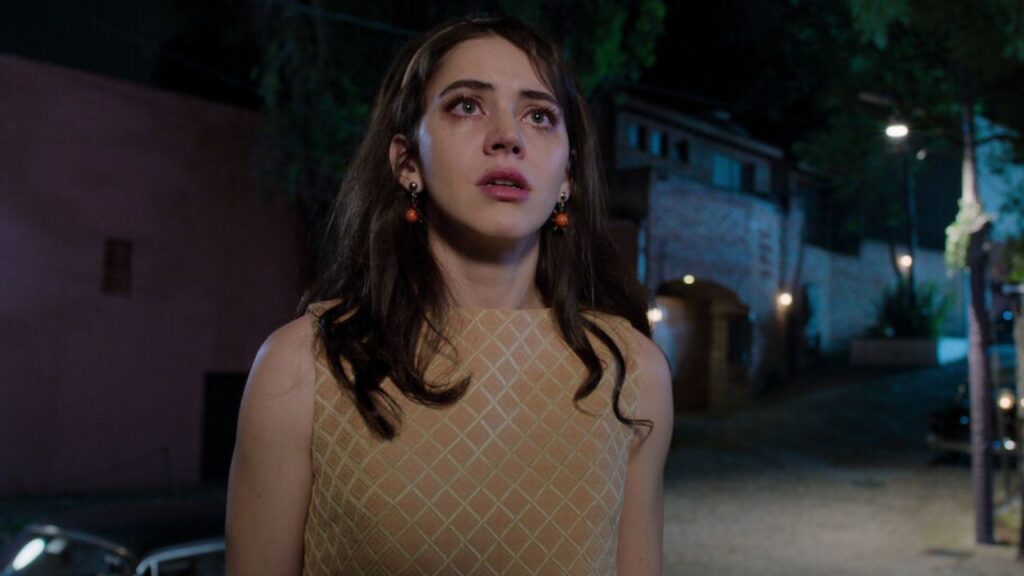
Valeria Goldberg: The Relentless Mother
Tessa Ía delivers what critics are calling “the strongest performance I have watched this year” as Valeria . Her portrayal is notably nuanced—she “doesn’t overplay the character; she just acts the character” . We witness simultaneously “the heartbreak of a character, the strength of a character, and the bitter anger of a character” in a performance that feels astonishingly authentic .
Valeria embodies the resistance of a woman who rebels against the constraints of her environment to fight for what she loves most . Her journey is not just about finding her children but about finding her voice in a world determined to silence her.
Leo Saltzman: The Complex Antagonist
Emiliano Zurita’s Leo is far from a one-dimensional villain. Both the actor and creators made a conscious effort to avoid black-and-white portrayals, instead presenting “imperfect people” making devastating decisions . The series explores the “loneliness and despair” that can surround fatherhood, offering a complex psychological portrait rather than a simple antagonist .
This moral ambiguity originates from the author’s own experience—Trottner reconnected with her father years later and heard “his truth, which was as valuable and true as my mother’s” . This revelation is key to the series’ complexity, forcing viewers to confront the uncomfortable reality that human motivations are rarely simple.
Key Scenes and Emotional Beats: The Heart of the Drama
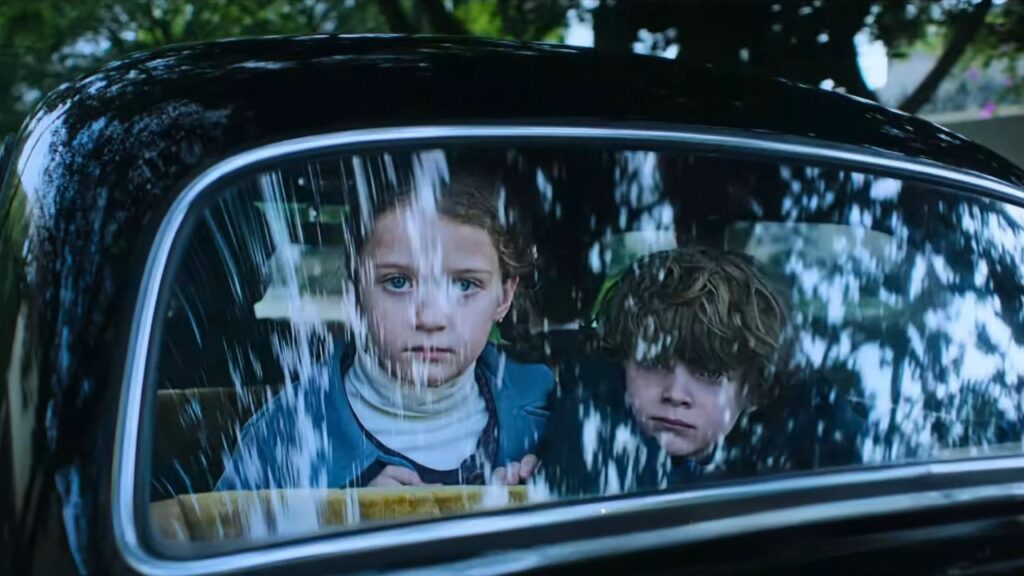
The Devastating Discovery
The series opens with Valeria returning home to find her children gone—a moment that one reviewer described as causing “chest constriction” when watching the helplessness of Valeria . This isn’t just a kidnapping story; it’s “a story of the voice of a woman being engulfed by the world that surrounds her” .
The International Pursuit
As Leo takes the children to Italy and beyond, the series expands geographically and emotionally . Valeria’s pursuit takes her across continents in what becomes both a physical and psychological journey . The episode “I Will Find Them” establishes Valeria’s determination, while “Dad Lied to Us” shows the children beginning to question their father’s narrative .
The Emotional Climax
Without revealing spoilers, the final episodes “Shut Up and Dance” and “Hello, Valeria” bring the story to a powerful conclusion that one reviewer noted will “leave you tearful” . The reunion in Israel is not a simple happy ending but the beginning of a new phase in the custody battle .
More on Stream It or Skip It?
Splinter Cell: Deathwatch Review: A Brutal, Bittersweet Return of Sam Fisher Stream or Skip It?
Caramelo on Netflix: A Soul-Healing Story About a Man, a Dog, and Unconditional Love Stream or Skip It?

Themes and Social Commentary: More Than a Kidnapping Story
Vicarious Violence: A Modern Concept for an Ancient Wound
The series builds around the contemporary concept of “vicarious violence”—the act of using children to control or inflict deep suffering on their mother . Director Lucía Puenzo calls this “the most modern theme” of the adaptation, acknowledging that while the concept is new, the practice is ancient . This approach gives the series undeniable relevance and urgency, preventing it from being perceived as a mere period drama.
Patriarchy and Social Constraints
Set in the 1960s Mexican Jewish community—”an environment governed by power, appearances, and strict social codes”—the series forces reflection on “the constraints of patriarchy” . In this world, Valeria’s transgression and Leo’s violent reaction expose the cracks in an entire social system . The setting functions as a crucible where individual desires clash explosively with collective expectations.
<!The Power of Appearance
The series powerfully demonstrates how “luxury and power” serve as a facade to hide deep generational and gender tensions . As one review noted, “It isn’t a sin for Valeria that she has fallen in love; it’s that she has the courage to make a personal choice in a world that wants to render her speechless” .
Content Advisory: Addressing the “Sex Scenes” Question
For viewers concerned about sexual content, the search results contain no mentions of explicit sex scenes in the series. However, the storyline does involve a “forbidden romance” that serves as the catalyst for the kidnapping . This emotional infidelity is presented as motivation rather than depicted graphically.
The series is rated 13+ on Netflix and contains themes of parental alienation, emotional trauma, and psychological violence that make it more suitable for mature audiences despite the absence of explicit sexual content . The most intense moments come from the psychological terror of a mother separated from her children and the emotional manipulation within families.
What Makes This Series Special: Beyond Conventional Drama

Emotional Authenticity Over Sensationalism
What sets No One Saw Us Leave apart is its commitment to emotional truth. As one reviewer noted, “It’s not some big-budget thriller that will have the reader grasping for air in shock and amazement; it’s a slow burn that will have your mind racing long after the episode’s done” . The series refuses easy answers, instead sitting with the complexity of human relationships.
Stunning Visual Storytelling
The production’s visual language deserves special mention. The series was filmed over six months in four countries across three continents—Mexico, France, Italy, and South Africa . This international scope mirrors the plot’s themes of flight and pursuit while adding cinematic value . Reviewers note that “the lighting and framing mirror Valeria’s inner state: dimly lit scenes when she’s desperate, bright yet cold settings when she’s forced to put on a mask for society” .
Cultural Specificity with Universal Resonance
While firmly rooted in the specific world of 1960s Mexican Jewish elite, the series explores themes with universal relevance: mother-child bonds, the corrosive nature of pride, and the struggle for agency within oppressive systems . As one review pointed out, “Despite the series being set in the 1960s, it’s all far too sadly familiar in the modern day” .
The Final Verdict: Stream It or Skip It?
STREAM IT if…:
- You appreciate character-driven dramas with emotional depth and psychological complexity
- You’re interested in true stories that explore relevant social issues
- You prefer miniseries formats that tell a complete story without unnecessary padding
- You value nuanced performances that stay with you long after viewing
- You’re looking for a drama that explores moral ambiguity rather than simple heroes and villains
SKIP IT if…:
- You prefer fast-paced, action-oriented thrillers over slow-burn character studies
- You’re looking for light entertainment—this is an emotionally challenging viewing experience
- You prefer stories with clear heroes and villains without moral complexity
- You’re sensitive to themes of child separation and family trauma
We’ve shared our thoughts—now it’s your turn! Share your voice below
 Loading ...
The Bottom Line
No One Saw Us Leave is a powerful, emotionally resonant limited series that delivers both as a gripping personal drama and a thoughtful social commentary. While the pacing can feel uneven at times—with some mid-season episodes that “drag along to open the developments” —the overall impact is undeniably profound.
The series succeeds not through shocking plot twists but through authentic human emotion and the terrifying recognition that these events actually occurred. As one reviewer perfectly summarized, “It’s a difficult show to watch, but it’s a must-watch. It deals in hurt and love and forgiveness without it ever once ringing false” .
For viewers willing to sit with this challenging but important story, No One Saw Us Leave offers a transformative viewing experience that will change how you think about family, power, and resilience long after the final scene fades to black.
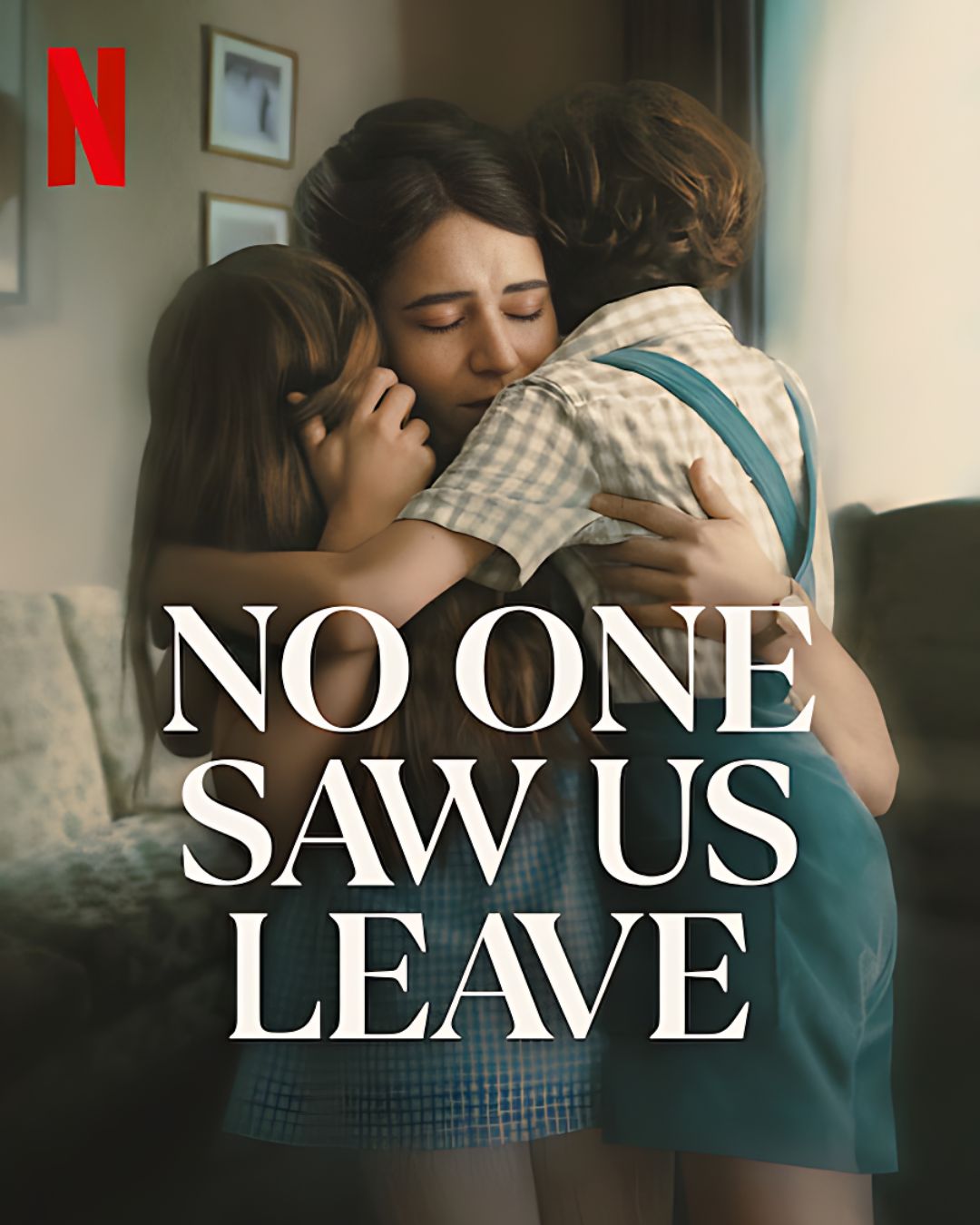
No One Saw Us Leave
Our Rating:⭐3.5/5
Network Netflix
Genres: TV Dramas, Mexican, Social Issue TV Dramas
Release Date: October 15, 2025
Seasons: 1
Episodes: 5
Rate This Series
About The Author




















Keep up the great work!