She Walks in Darkness Netflix Review: A Haunting Spy Thriller That Redefines Loyalty and Lies
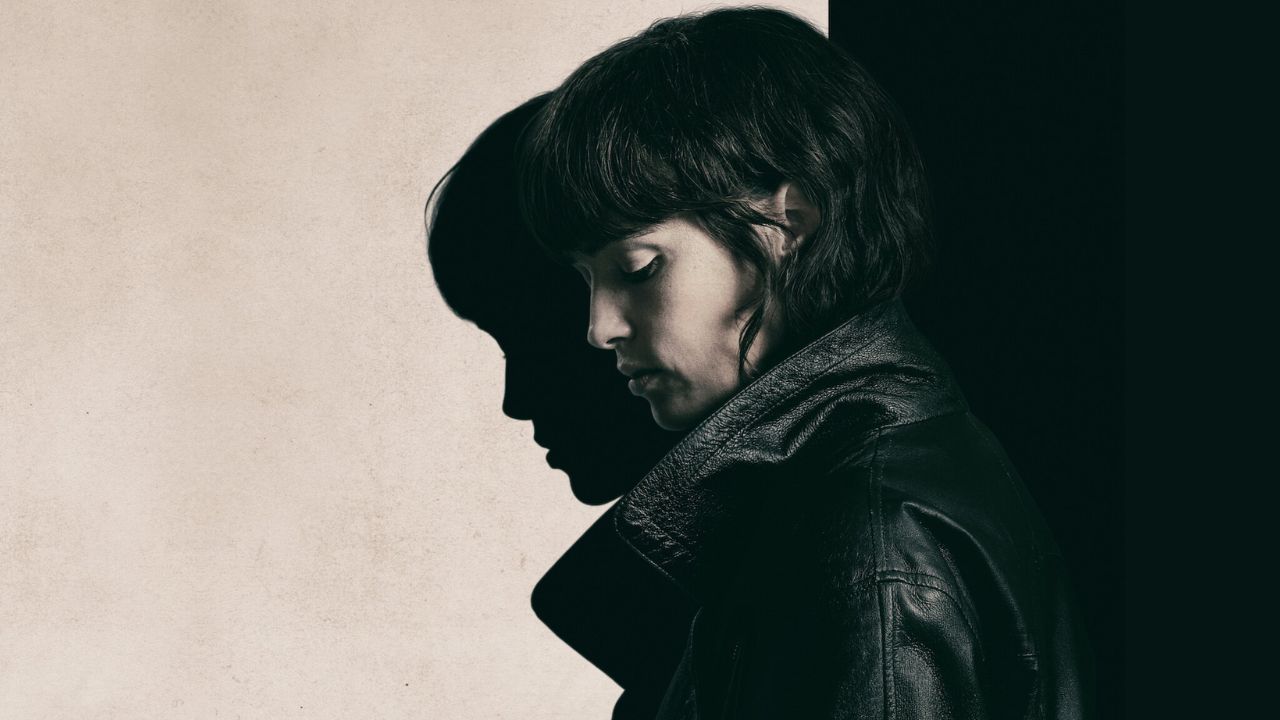
The Ghost in the Battle
‘She Walks in Darkness’ (original Spanish title Un fantasma en la batalla) is a 2025 Spanish political thriller that delves into the psychologically harrowing world of a deep-undercover agent. Directed by Agustín Díaz Yanes, the film is a fictional story inspired by the real undercover operations against ETA, the Basque separatist group that orchestrated a bloody campaign in Spain for decades. This is not a film of grand, action-packed heroism, but a slow-burn, atmospheric exploration of the immense personal cost of espionage, where the line between duty and identity blurs into oblivion.
Story Overview: A Decade-Long Descent
The plot follows Amaia, a young Guardia Civil officer portrayed by Susana Abaitua, who is recruited by her handler, Colonel Sánchez (Andrés Gertrúdix), to infiltrate the ranks of ETA. Her mission, “Operation Mayhem,” spans twelve years (1992-2004) and has one primary objective: to discover the locations of ETA’s hidden weapons caches, or “zulos,” scattered throughout southern France.
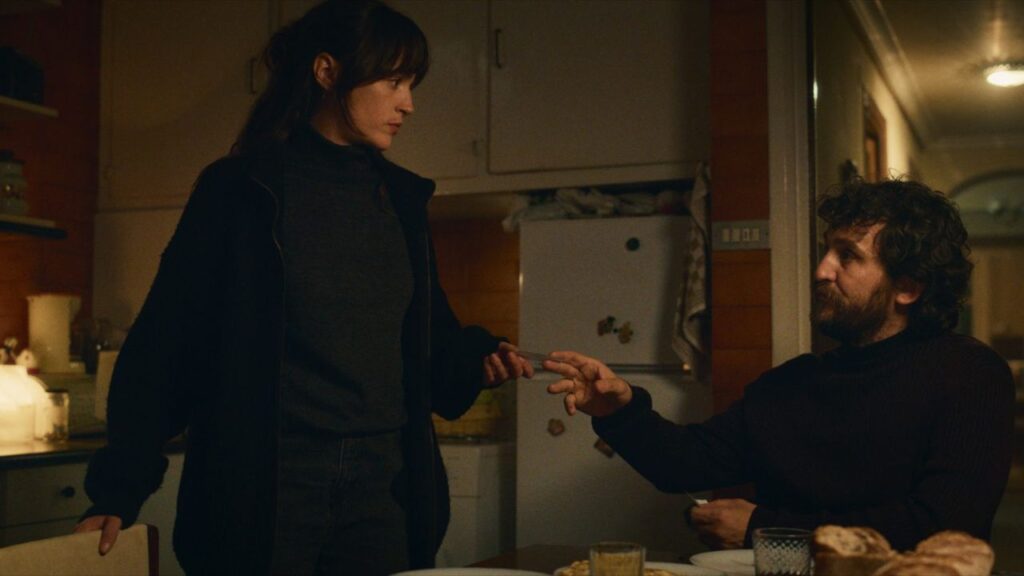
- The Slow Burn of Integration: The narrative meticulously charts Amaia’s painstaking process of earning the trust of the organization’s leaders, particularly the intimidating Begoña (Iraia Elias). The film uses clever spy craft, such as a subtle garbage-bag switcheroo, to show her passing information, and a melancholic system of 70s Italian pop songs (like “Parole Parole”) played on the radio as a clandestine communication method with her handlers.
- A Crucial Turning Point: Amaia’s resolve is violently tested when she is forced to participate in the attempted assassination of a sergeant who is, unbeknownst to her, a fellow Civil Guard agent. She shoots him to maintain her cover, an act that shatters her idealism and plunges her into a moral quagmire. This event solidifies the film’s central theme: in this world, there are no clean hands.
- The Final Flight: The tension crescends when ETA leader Anboto deduces Amaia is the mole and sets a deadly trap. In a nail-biting sequence, Colonel Sánchez uses the pre-arranged Italian love song as an emergency signal to warn her. Upon hearing “Parole Parole” on her car radio, Amaia realizes her cover is blown and makes a desperate, life-or-death dash into a foggy forest, evading her would-be assassin. The film cross-cuts her frantic escape with the simultaneous arrests of top ETA leaders, a direct result of the intelligence she provided.
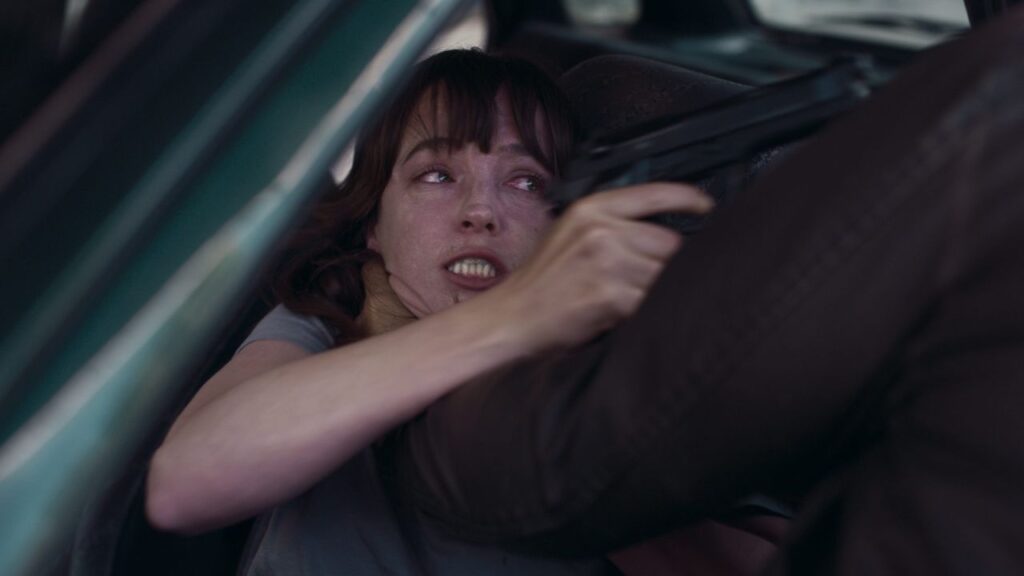
The story concludes not with a triumphant homecoming, but with an exhausted Amaia emerging onto a quiet road at dawn, physically free but psychologically scarred. The final frames suggest survival, but not a happy ending—only the beginning of a lifelong reckoning with the woman she was forced to become.
Character and Performance Analysis
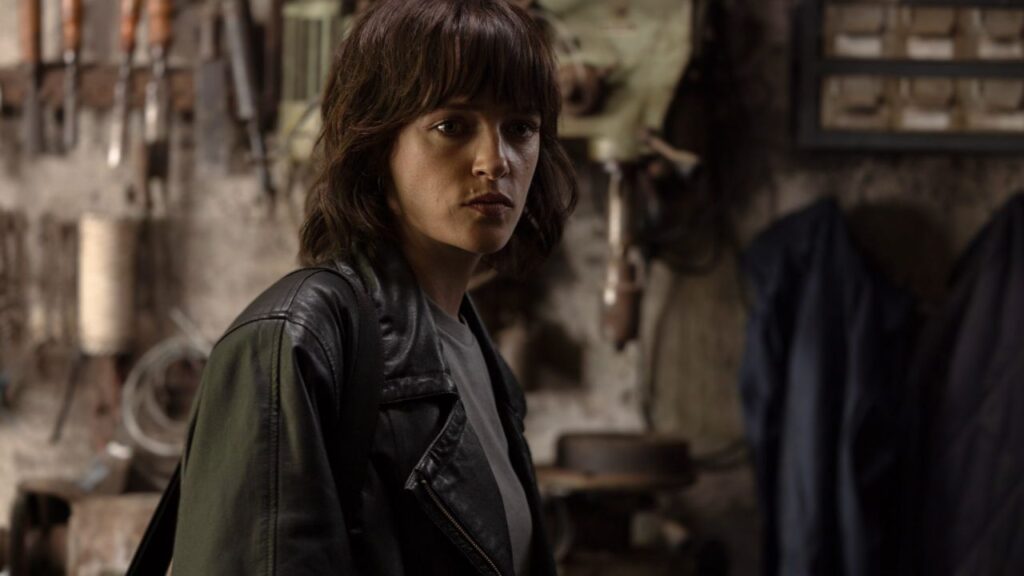
- Susana Abaitua as Amaia: Abaitua delivers a powerfully restrained and nuanced performance. Her role is deliberately underwritten in dialogue, forcing her to convey a maelstrom of fear, resolve, and dissolving identity through her eyes and subtle physicality. We witness her transformation from a determined officer to a haunted “ghost,” her own identity eroded by a decade of performance. The strength of her acting lies in making Amaia’s internal decay feel painfully real.
- Andrés Gertrúdix as Colonel Sánchez: Gertrúdix provides a compelling counterweight as the handler whose unwavering patriotism is complicated by a dark past. The film reveals he is being tried for torture related to the death of an ETA member, adding moral ambiguity to the “good” side and questioning the methods used in this shadow war.
- Iraia Elias as Begoña: Elias is brilliantly intimidating as the committed ETA leader. The dynamic between Begoña and Amaia is one of the film’s most complex, as Amaia begins to sympathize with the very woman she is betraying, recognizing their shared sacrifice of family and a normal life for their respective causes.
More on Stream It or Skip It?
Netflix’s The Twits: A Gross-Out Political Satire or a Sanitized Misstep? Stream It or Skip It?
The Perfect Neighbor Review: An Unflinching Look at a Deadly Dispute Stream or Skip It?
Cinematic & Technical Elements
Director Agustín Díaz Yanes and cinematographer Paco Femenía craft a film that is visually melancholic and oppressive. The palette is muted, dominated by grays, blues, and the near-constant presence of rain, creating a somber atmosphere that mirrors Amaia’s psychological state.
- Cinematography: The camera work is often static, immersing the viewer in the tense, stagnant reality of the undercover life. The use of real news footage from ETA’s attacks intercut with the fictional narrative grants the film a chilling immediacy and historical weight.
- Pacing and Tone: This is a deliberate slow burn that prioritizes mood over action. The pacing is intentionally meditative, meant to simulate the agonizing pressure and paranoia of Amaia’s existence. At times, the film borders on horror, not through monsters, but through the sheer anguish and tension of its scenarios.
Sexual Content & Mature Themes
The film contains no significant sexual content or nudity. Its mature rating stems from its intense themes and depictions of violence.
- Violence: The violence is sudden, brutal, and shocking. Political assassinations are presented in broad daylight, understated yet jarring. The film does not shy away from the brutal consequences of this conflict, including a scene where a different mole is executed in front of Amaia.
- Themes: Central mature themes include psychological trauma, the moral compromises of counter-terrorism, identity loss, and the heavy personal cost of patriotism. It is a film steeped in the trauma of a nation’s recent history.
What Works
- Atmospheric Immersion: The film succeeds masterfully in building a dense, haunting mood that lingers long after the credits roll.
- Lead Performance: Susana Abaitua’s captivating and subtle performance is the emotional anchor that makes the psychological journey compelling.
- Moral Complexity: By refusing to idealize either side and by highlighting the personal and ethical costs for all involved, the film achieves a sophisticated and thought-provoking depth.
- Intelligent Spy Craft: The communication methods, like the coded radio songs, are clever and add a layer of stylish, romantic contrast to the grim proceedings.
What Doesn’t Work
- Demanding Pacing: The intentional slow burn may test the patience of viewers seeking a more conventional, action-driven thriller. Some scenes drag, and the film insists on making the audience feel the full weight of its protagonist’s stagnation.
- Limited Historical Context: The film assumes a certain level of familiarity with the history of ETA and the Spanish political landscape. Viewers completely unaware of this context might find the motivations and background somewhat murky.
- Underwritten Supporting Roles: While the leads are well-drawn, some of the supporting characters, including those within ETA, can feel one-dimensional, serving more as narrative functions than fully realized individuals.
Final Verdict — Stream It or Skip It?
STREAM IT. ‘She Walks in Darkness’ is a confident, cinematic, and emotionally resonant thriller that prioritizes psychological depth over cheap thrills. While its deliberate pace may not satisfy those seeking constant action, it is a masterclass in atmosphere and a stunning showcase for Susana Abaitua. This is a film that earns its emotional weight, offering a haunting and sophisticated look at the true cost of living a lie in the shadows of a national conflict. It is a poignant and impactful piece of cinema that justifies its place among Netflix’s more ambitious international offerings.
We’ve shared our thoughts—now it’s your turn! Share your voice below
 Loading ...
She Walks in Darkness is now streaming globally on Netflix
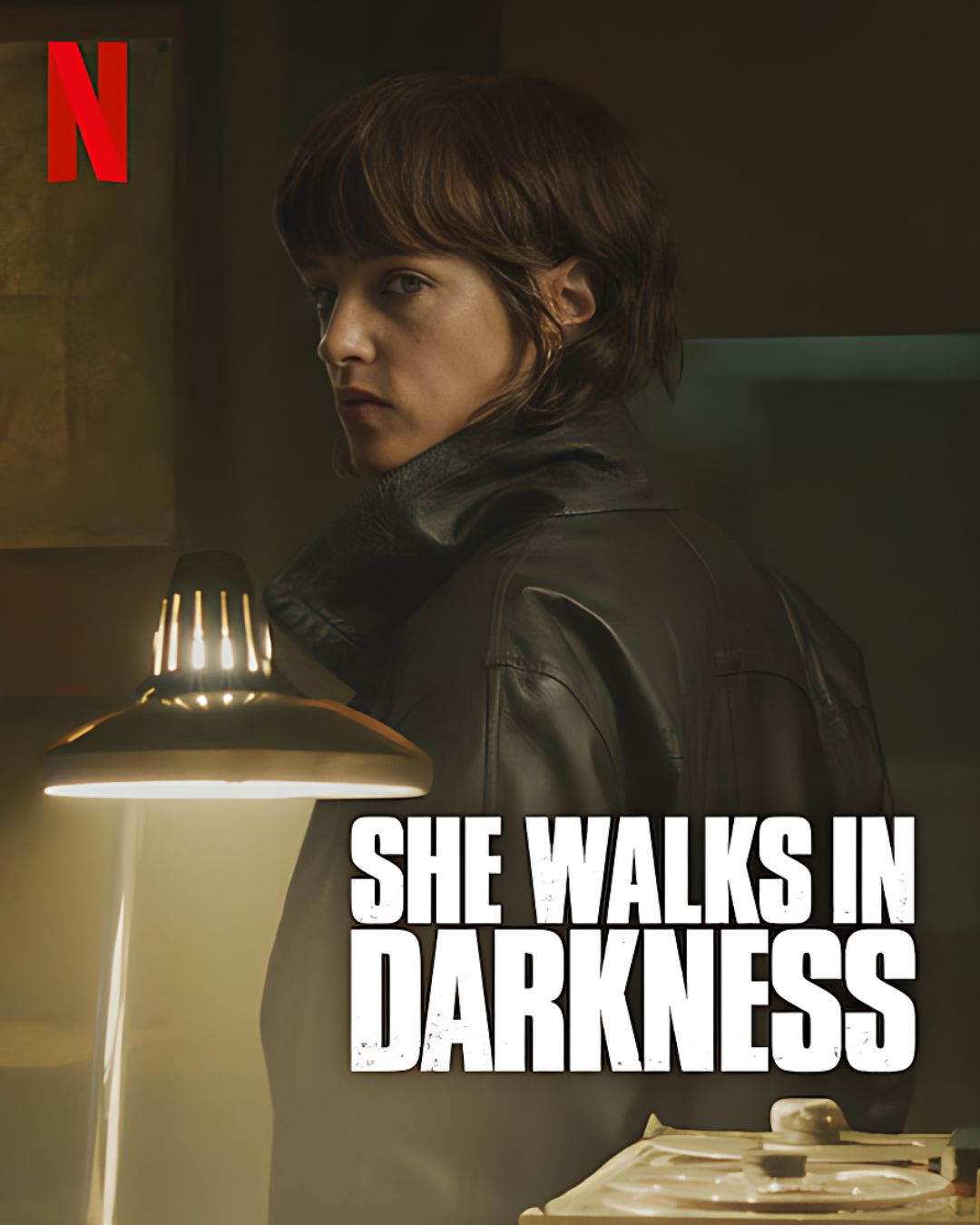
She Walks in Darkness
Our Rating: ⭐2.8/5
Network:  Netflix
Genres: Spanish, Crime Movies, Drama Movies, Thriller Movies
Release Date: October 17, 2025
Runtime: 103 min
Rate This Movie
About The Author