Black Rabbit Review: Jude Law and Jason Bateman’s Gritty Netflix Crime Drama – Stream or Skip?
Key Takeaways
- Jude Law & Jason Bateman star in a gritty but flawed brotherly crime drama.
- Excellent atmosphere is undermined by unlikeable leads and a slow, repetitive plot.
- A easy skip for most, but might interest die-hard fans of the actors.
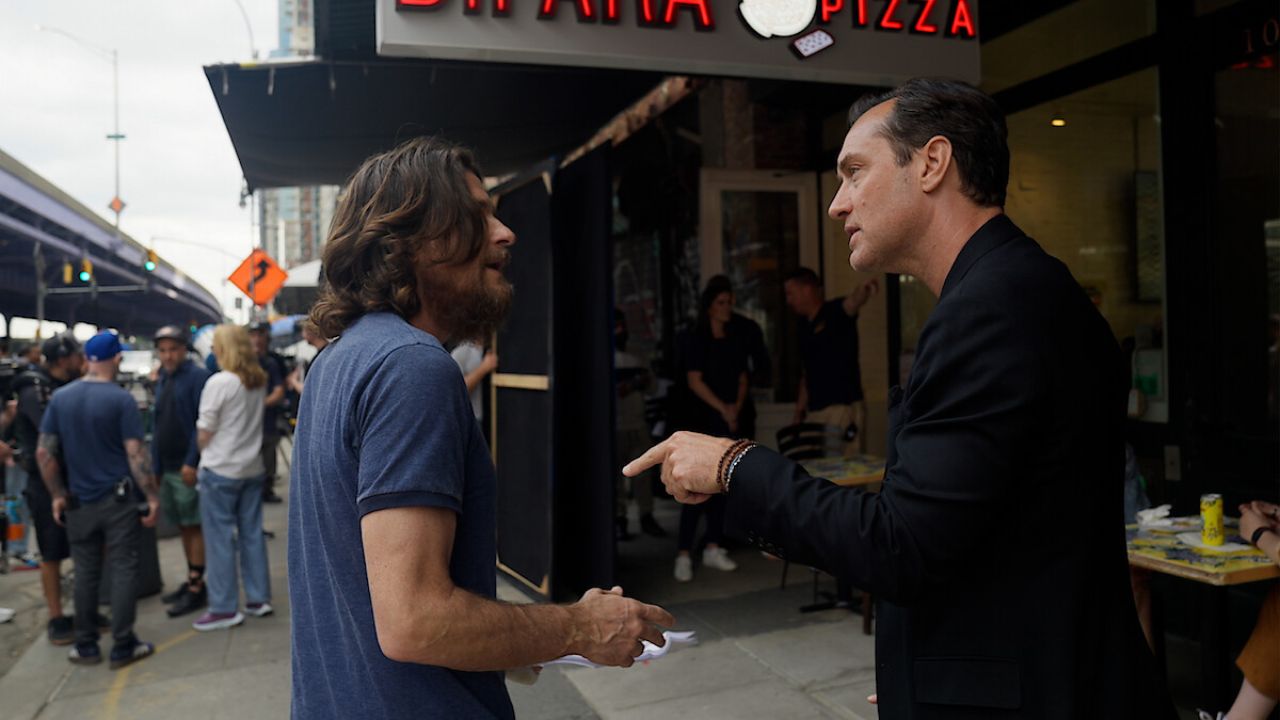
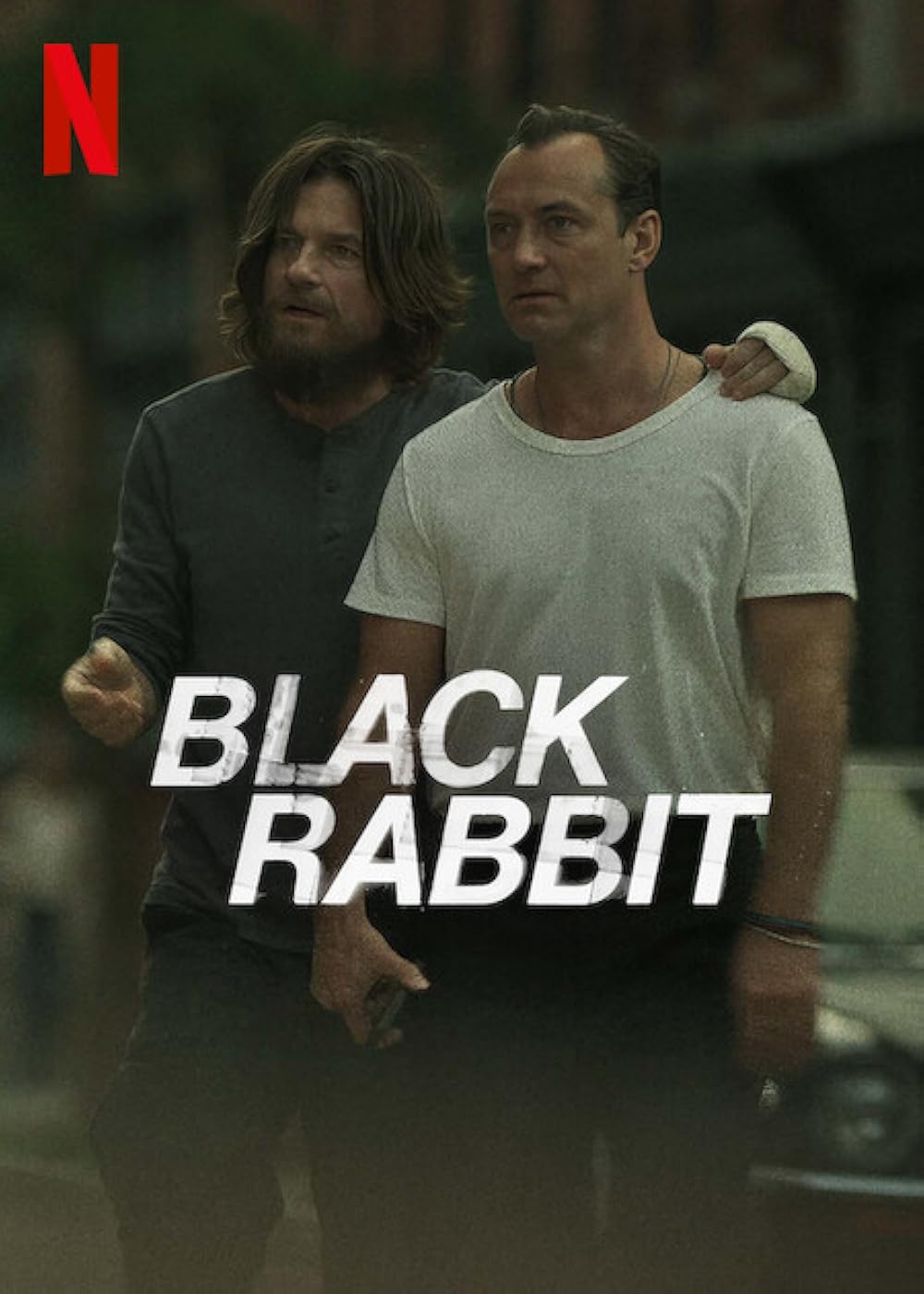
“Black Rabbit,” Netflix’s 2025 crime thriller limited series, brings together A-list stars Jude Law and Jason Bateman as brothers whose troubled past catches up with them in the most dangerous ways. Created by married duo Zach Baylin (Oscar-nominated writer of “King Richard”) and Kate Susman, this eight-episode saga plunges viewers into the high-stakes world of New York City’s restaurant scene and criminal underworld . With executive producers including both lead actors and directors like Jason Bateman (first two episodes) and Laura Linney (episodes 3-4), the series boasts impressive pedigree both in front of and behind the camera .
The series effectively blends elements from various popular shows and films – the restaurant chaos of “The Bear,” the relentless tension of “Uncut Gems,” and the family crime dynamics of “Ozark” (which Bateman famously led) – while attempting to carve its own identity . Set against the backdrop of Brooklyn’s nightlife, “Black Rabbit” explores fraternal bonds, the weight of past traumas, and how quickly lives can unravel when old demons resurface .
Plot Summary: From Celebration to Desperation

The series opens with a tense robbery sequence at Black Rabbit, a trendy Brooklyn restaurant and VIP lounge owned by Jake Friedken (Jude Law). As armed men storm the establishment during a jewelry trunk show, Jake finds himself at gunpoint while the chaos unfolds around him . Just as the situation reaches its peak tension, the narrative rewinds to “one month earlier,” setting up the events that lead to this dramatic moment .
We’re introduced to Jake as he prepares for the launch of his upscale establishment, Black Rabbit – a venue that closely resembles real-life mid-2000s hotspot The Spotted Pig in both concept and reputation . Jake’s carefully constructed world begins to crumble when his troubled brother, Vince (Jason Bateman), reappears after a prolonged absence. Vince, a recovering addict with a history of poor decisions, arrives carrying significant baggage – specifically, a substantial gambling debt owed to local mobster Joe Mancuso (Troy Kotsur) .
Despite their fractured relationship, Jake feels compelled to help his brother, pulling Vince back into the restaurant’s operations by giving him a job when a key staff member (Abbey Lee’s Anna) refuses to come in . This decision proves catastrophic as Vince’s creditors soon come calling, with Mancuso’s inept son Junior (Forrest Weber) and his partner Babbit (Chris Coy) determined to collect what’s owed by any means necessary .
As the brothers navigate this escalating threat, we learn about their shared history: growing up in a violent household with an alcoholic father in Coney Island, they eventually formed a Nirvana-inspired rock band that achieved modest success before Vince’s drug addiction derailed their musical career . The restaurant itself was built using their band earnings and represented a fresh start before Vince’s disappearance .
Throughout the eight episodes, the brothers engage in a series of increasingly desperate schemes to resolve Vince’s debts, including embezzling from the restaurant’s funds while Jake simultaneously courts investors for an ambitious new venture . Their poor decisions ripple through their entire circle, affecting Jake’s love interest Estelle (Cleopatra Coleman), talented head chef Roxie (Amaka Okafor), business partner Wes (Sope Dirisu), and Jake’s ex-wife Val (Dagmara Dominczyk) .
The narrative builds toward a climactic two-episode sequence that delivers on the promised tension as the brothers find themselves in a breathless pursuit through various parts of Brooklyn. Director Justin Kurzel (who previously worked with Law on “The Order”) brings a visceral intensity to these final episodes that finally delivers on the series’ tension-building .
Character Analysis: Flawed Brothers and Underdeveloped Supporting Players
Jake Friedken (Jude Law)
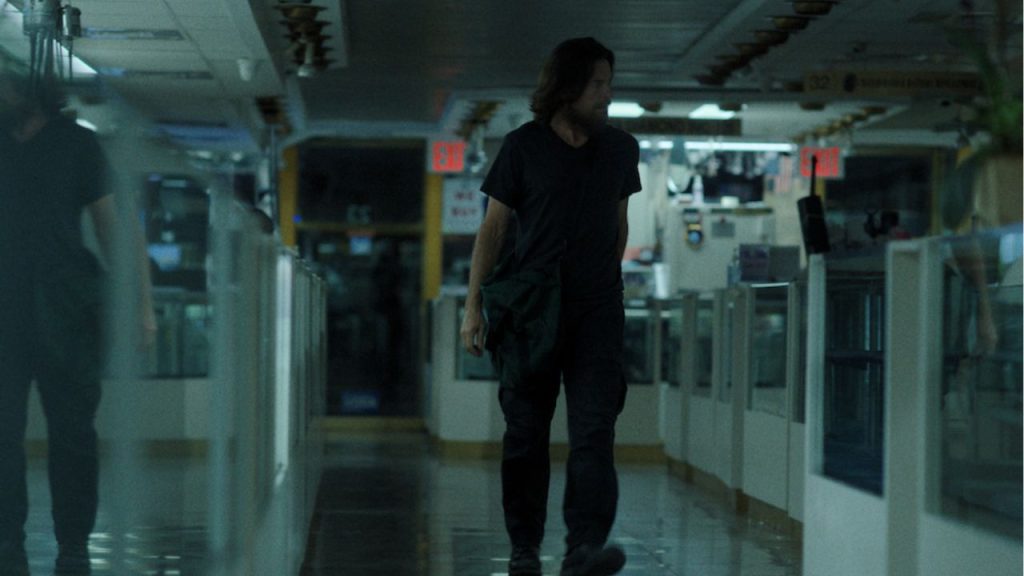
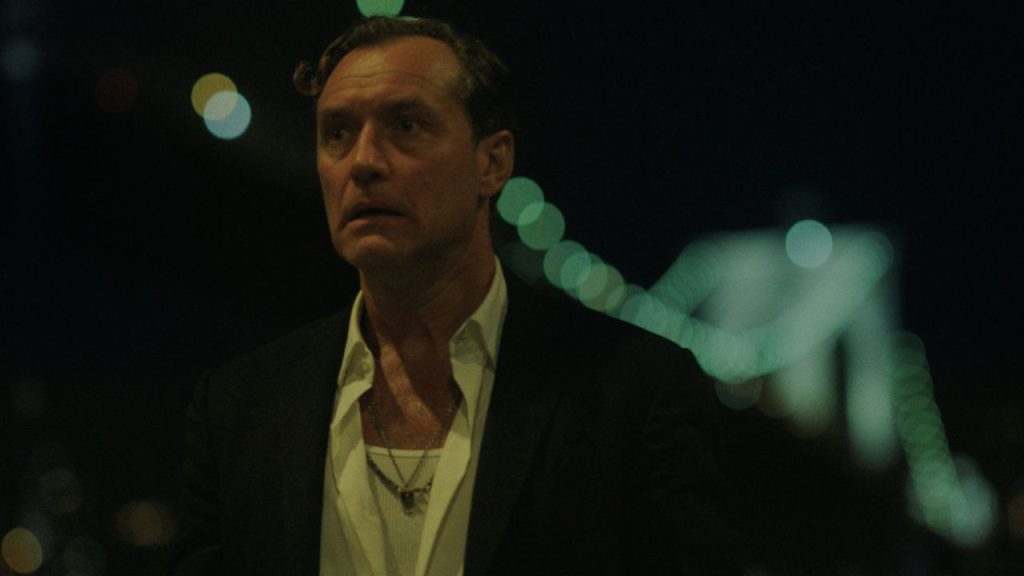
Law portrays Jake as a man constantly balancing on the edge of respectability and disaster. His American accent has received mixed reviews from critics, with some finding it unconvincing and limiting his natural charm . Jake presents as a successful entrepreneur but hides financial struggles and a compulsive need to live beyond his means, even embezzling from his own restaurant to maintain appearances . His loyalty to Vince proves to be both his most admirable quality and his fatal flaw, dragging him deeper into danger with each episode.
Vince Friedken (Jason Bateman)
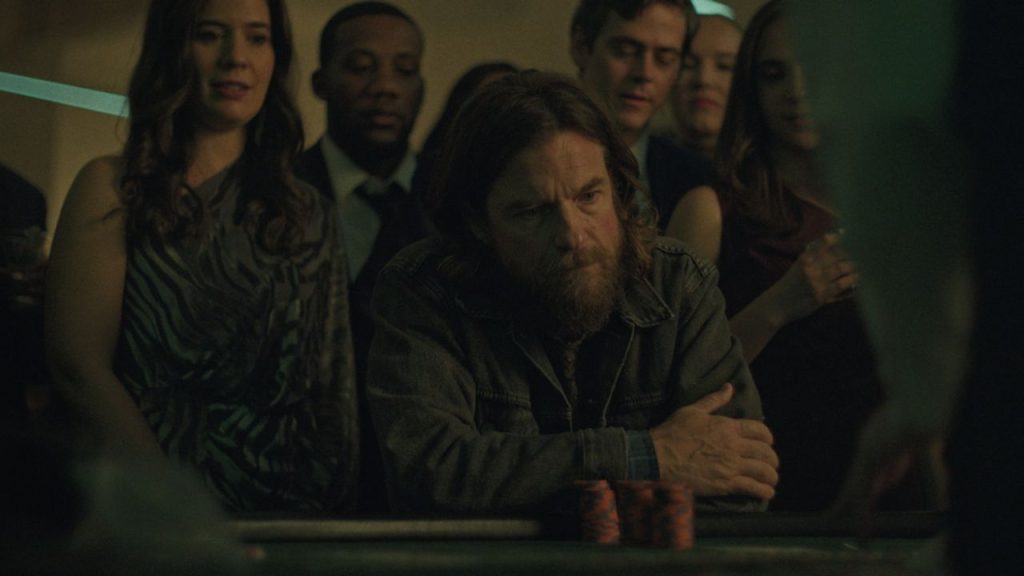
Bateman plays against type as Vince, shedding the clean-cut persona of his previous roles for a “scraggly beard” and unkempt appearance signaling his character’s deterioration . Unlike Bateman’s celebrated performances in “Ozark” or “Arrested Development,” where he revealed “inner scuzziness over time,” Vince enters the story already grimy and unrepentant . His selfish behavior and repeated mistakes make him difficult to sympathize with, despite attempts to contextualize his actions through childhood trauma . The character’s supposed charm rarely translates through the dialogue, leaving Vince feeling more like a “whiny” plot device than a fully realized person .
Related Stories
1670 Season 2 Finale Explained & What’s Next (Season 3)

1670 Season 2 Review: Everything You Need to Know About Netflix’s Satirical Comedy
Supporting Characters
The series underwhelms in its development of secondary characters, who receive “at most, one trait or piece of backstory” . Brilliant chef Roxie (Amaka Okafor) shows promise but remains underdeveloped, with only brief mentions of an ex-girlfriend and minimal personal history . Similarly, Estelle (Cleopatra Coleman) as Jake’s love interest has “an unspecified genius for interior design” but lacks depth beyond her romantic entanglement .
The clear standout is Troy Kotsur as mobster Joe Mancuso, who brings a terrifying yet heartbreaking presence to his limited screen time. Since his Oscar-winning performance in “CODA,” Kotsur has been underutilized, but here he demonstrates remarkable depth even with minimal material . As one critic noted, “He’s terrifying and heartbreaking at once, adding a sense of gravity and empathy each time he appears” .
Themes and Narrative Analysis: Loyalty, Consequences, and the Weight of the Past
“Black Rabbit” attempts to explore several weighty themes, with varying degrees of success:
- Fraternal Loyalty: The central theme revolves around the complex bond between brothers who both need and resent each other. Their relationship is characterized by codependency, resentment, and shared trauma from their abusive childhood . The series asks how far one should go for family when that family member consistently makes destructive choices.
- Consequences of Past Actions: Both brothers struggle to escape their history—Vince with his addiction and debt, Jake with his questionable business practices and cover-ups of misconduct at his restaurant . The narrative suggests that running from one’s past only ensures it will eventually catch up.
- Ambition and Morality: Jake’s relentless pursuit of success leads him to compromise his ethics, blurring the lines between legitimate business and criminal activity. The series questions whether ambition inevitably corrupts, especially when born from hardship.
Unfortunately, these themes aren’t always effectively explored due to narrative shortcomings. The show strains to sustain its “panicky overwhelm for eight hours,” resulting in a sagging middle section where repetitive conflicts replace meaningful development . Supporting characters exist primarily as devices to facilitate or comment on the brothers’ drama rather than as fully realized people with their own agency .
Cinematography, Style, and Soundtrack
“Black Rabbit” employs a distinct visual style characterized by moody lighting and atmospheric compositions. The series leans heavily on “dark, moody lighting and idiosyncratic compositions (slow pushes into dialogue scenes over a single take, shots with arbitrary negative space)” . This approach creates tension but sometimes at the expense of clarity, with some critics noting the lighting is so dim it becomes distracting .
The soundtrack stands out as one of the series’ stronger elements, featuring hits from Interpol, Cold War Kids, and The Strokes that evoke the “indie sleaze era” of the mid-2000s . This musical choices effectively ground the series in a specific time and sensibility, even as the narrative presents itself as contemporary.
Stream or Skip? The Final Verdict
🚫 SKIP IT
Despite its impressive cast and promising premise, “Black Rabbit” ultimately fails to deliver a compelling enough narrative to justify its eight-hour runtime. The series suffers from unlikeable protagonists, underdeveloped supporting characters, and a pace that drags significantly in the middle episodes .
While the final two episodes deliver some much-needed tension and excitement, they aren’t enough to salvage the preceding hours of repetitive conflicts and frustrating character decisions . The conclusion attempts emotional resonance but feels unearned after watching the brothers repeatedly make terrible choices without meaningful growth .
When to consider streaming: If you’re a completist fan of either Law or Bateman and want to see them attempt something different, or if you have a high tolerance for bleak narratives with morally questionable characters. Troy Kotsur’s supporting performance is genuinely compelling and nearly worth the price of admission alone .
Better alternatives: If you’re interested in the restaurant crime drama concept, you’re better off revisiting “The Bear” for its authentic kitchen dynamics and character development, “Uncut Gems” for truly effective anxiety-inducing tension, or “Ozark” for a more nuanced look at criminal entanglements and family dynamics.
“Black Rabbit” joins the ranks of antihero shows that “started strong and lost the thread” or felt like “soulless copies of previous antihero shows” . In a television landscape that has evolved beyond the traditional antihero narrative, this series feels like a step backward—a “bleak cookie-cutter prestige drama” that offers “the empty calories of star power but no nutritional value” .
Black Rabbit is now streaming on Netflix, all eight episodes available immediately.
Black Rabbit
Our Rating:⭐2.5/5
Network Netflix
Genres: crime thriller , Limited Series
Release Date: September 18, 2025
Seasons: 1
Episodes: 8
Rate This Series
About The Author