Uncovering the Truth Behind the Jessica Radcliffe Orca Incident
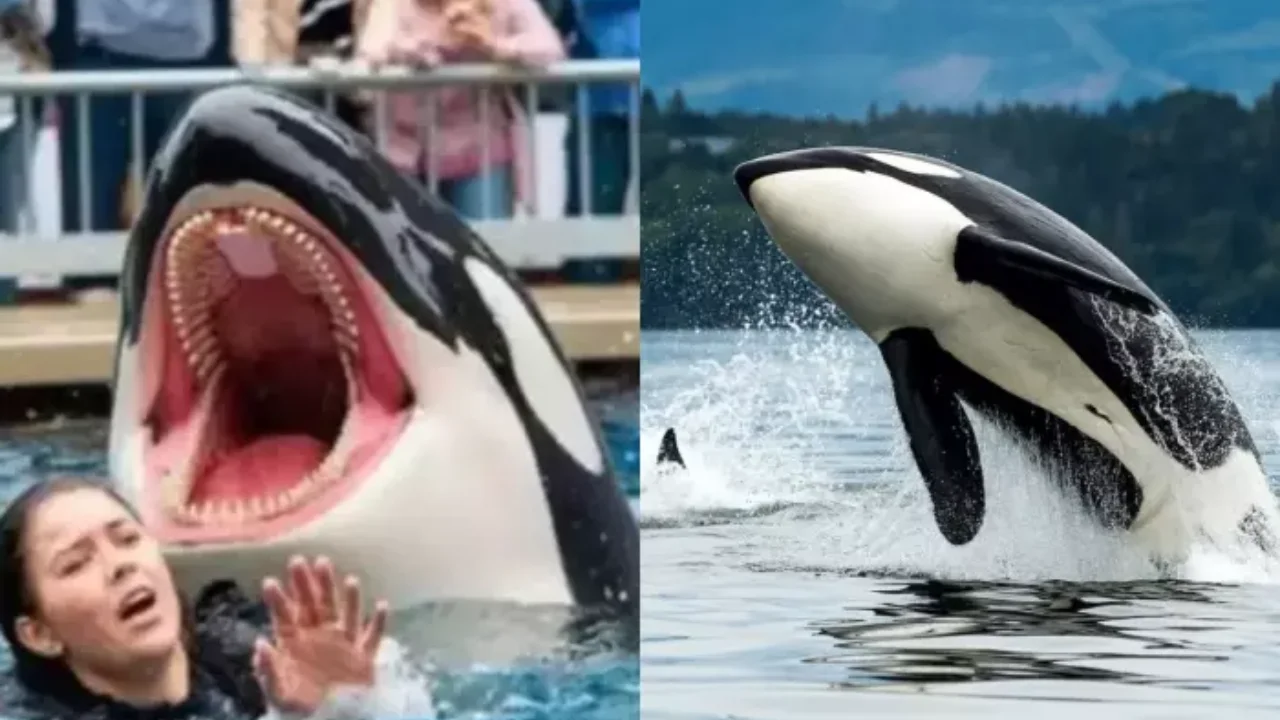
The Jessica Radcliffe orca attack story is not true. Jessica Radcliffe is not a real person. There are no real reports about this event. Investigators have seen many fake animal videos online. This shows that people make up stories a lot. Readers should look for facts and proof in this analysis.
Viral Story
Origins and Spread
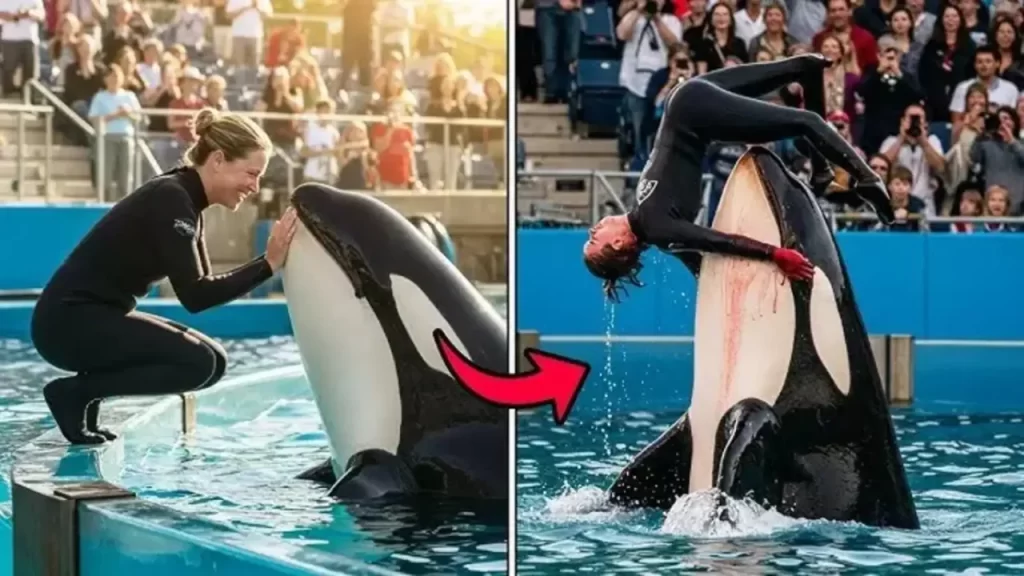
The Jessica Radcliffe orca story started with a Facebook post. The post was called “The horrifying final moments of orca trainer Jessica Radcliffe caught on video.” It got a lot of attention very fast. This post became the main reason the story went viral. Facebook was important, but other sites helped too. BollywoodShaadis wrote articles about the story. They told people to share it on Google News, Flipboard, WhatsApp, Instagram, and Twitter.
Social media like TikTok and Facebook made the fake video popular. Millions of people saw it in just a few days. The video first showed up on August 9, 2025. By the next day, people on X and other sites shared it with sad messages. The story spread fast because of platform algorithms. These algorithms show users more of what they like. This can make echo chambers and help fake news spread faster.
Public Reaction
- Many people who watched the video felt scared and shocked. They thought the video showed a real orca attack.
- Social media had lots of posts saying Jessica Radcliffe died at a live show. People looked for more details, sure the story was true.
- The video looked like a real news report, so it seemed true.
- Fact-checkers found no real records of Jessica Radcliffe or any deadly orca attack. Experts learned the video used AI, old orca clips, fake crowd sounds, and digital tricks.
- The hoax seemed real because it reminded people of real orca trainer deaths, like in Blackfish.
- After a while, people stopped panicking and started to doubt the story. They learned to be more careful with viral stories.
Debunking Jessica Radcliffe
No Evidence Found
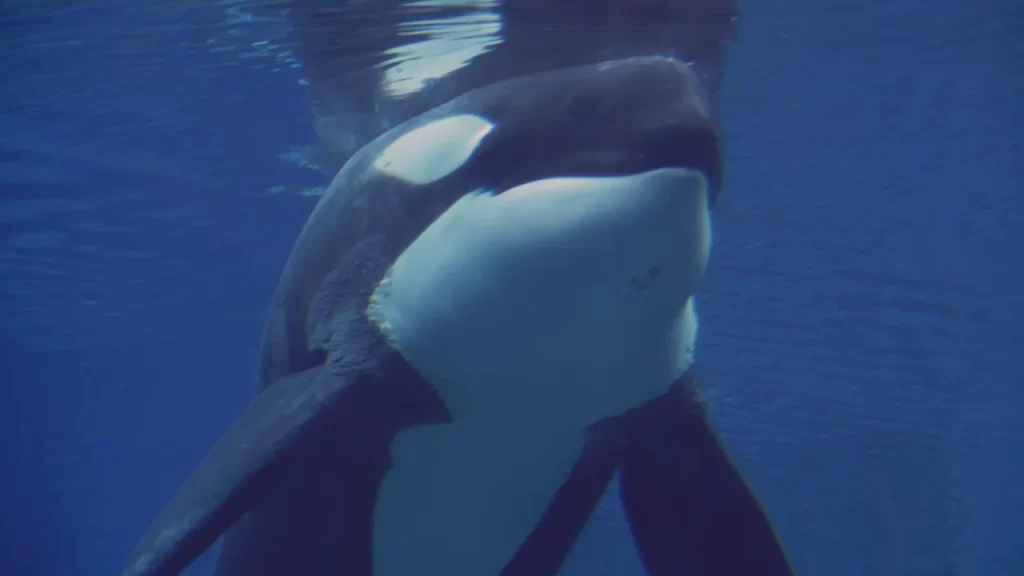
Fact-checkers and trusted news sites looked into the Jessica Radcliffe story. They found no proof that she is a real person or that an orca attack happened. They checked public records, marine park jobs, obituaries, and legal papers. None of these mention a trainer named Jessica Radcliffe. There are no police or marine park reports about her and an orca attack. Analysts saw that the viral video used AI images, old clips, and fake words. The story copies details from real orca trainer deaths, but it does not match any true event.
Experts say people should check trusted news and use reverse image searches to find fake stories. They suggest looking for signs that videos and photos were changed. This careful way helps people avoid sharing false information.
Read Full Article Here : Fans React to Demi Lovato Reunion with Jonas Brothers
Jessica Radcliffe Hoax
The Jessica Radcliffe orca story is a good example of a social media hoax. Fact-checkers found clues that show the story is not true:
- There are no obituaries, marine park statements, or safety reports about the incident.
- The voices and crowd sounds in the video are fake and made with AI.
- The viral video mixes old clips with CGI and AI to make a story that looks real but is not.
- The name “Jessica Radcliffe” is made up to make the story seem true.
- The story uses wild and unproven ideas, like saying menstrual blood caused the attack, which is just clickbait.
- The hoax uses parts from real orca trainer deaths, like Dawn Brancheau and Alexis Martínez, to sound believable.
- No trusted news or official records support the attack.
Fact-checking sites use a careful process to check viral animal attack stories. They look for real people by searching public records. They check for true reports and official statements. They study videos and pictures for signs of AI and fake voices. They ask science experts to prove false ideas wrong. This way helps them show hoaxes like the Jessica Radcliffe story are not true.
The viral Jessica Radcliffe video is clickbait. It uses changed content and AI tricks to fool people. There is no real proof for the story. People should always check facts before they believe or share viral news.
Real Orca Incidents
Documented Attacks
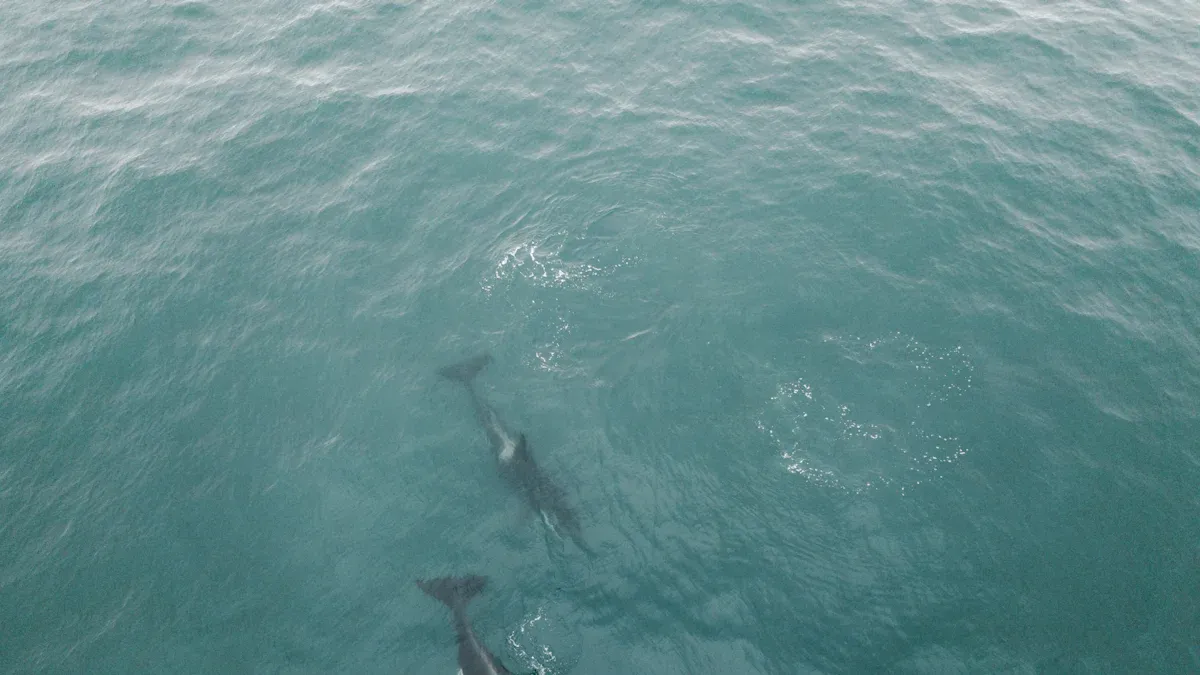
Real orca attacks are not like the Jessica Radcliffe story. Marine biology records say orca attacks on people are very rare. The last real case happened on June 13, 2022. A SeaWorld trainer got hurt when a captive orca named Malia bit her arm. The trainer broke the three-foot safety rule by moving her arm near the whale’s mouth. Malia let go fast, but the trainer needed surgery. Most attacks happen with captive orcas, not wild ones. Since 1964, SeaWorld has had 65 orcas. Out of those, 29 have shown aggression, but these cases do not happen often.
Orca attacks on boats have gone up near the Strait of Gibraltar since 2020. There have been almost 700 reports, mostly about orcas hitting or biting boats. These attacks are rare and may be because orcas feel threatened or cannot find enough food. Authorities tell people to stay away from some areas during busy months. Marine biologists say wild orca attacks on humans almost never happen.
Marine experts say viral stories can give people the wrong idea about orcas. They want people to trust science, not shocking social media posts.
Misinformation Trends
AI-generated content has changed how fake news spreads online. Fake animal attack pictures and videos show up fast and reach many people. Big accounts share these images, so false stories spread quickly. Meme tools let anyone make and share fake content, even if there are no real photos. Some AI memes have harmful or mean messages, which can cause problems between groups.
Researchers have seen more AI hoaxes since spring 2023. Scammers use these tools to post lots of fake images with the same captions. Social media algorithms boost these posts, making them go viral. Deepfakes and edited videos make it harder to spot fakes, especially as tech gets better. Experts say these trends make it tough to stop fake news.
Marine biologists fight viral fake news by sharing facts and proof. They warn people not to treat animals like humans or make their actions too simple. Stories like the Jessica Radcliffe hoax can trick people and hurt animals. Scientists want everyone to think carefully and share true information.
Many trusted sources say the Jessica Radcliffe orca attack is fake. People should check facts and think carefully about viral stories. Look for strange sounds or pictures to spot AI-made content. Always check where the story comes from before you share it.
- If you share news without checking, it can break trust and spread wrong information.
- Online groups should teach members how to report and block false stories.
FAQ
Is Jessica Radcliffe a real person?
Jessica Radcliffe is not a real person. Her name is not in any news or official records. Marine parks do not mention her either.
Did any orca attack happen like the viral video shows?
- There is no real orca attack like the one in the video. Experts say the video uses old clips and AI to make it look real.
How can someone spot a fake viral animal story?
| Tip | Description |
|---|---|
| Check sources | Look for news from trusted places. |
| Reverse image search | Search to see where images came from. |
| Look for AI signs | Watch for strange voices or pictures. |
About The Author