Julia Roberts responds to backlash over new film’s controversial themes

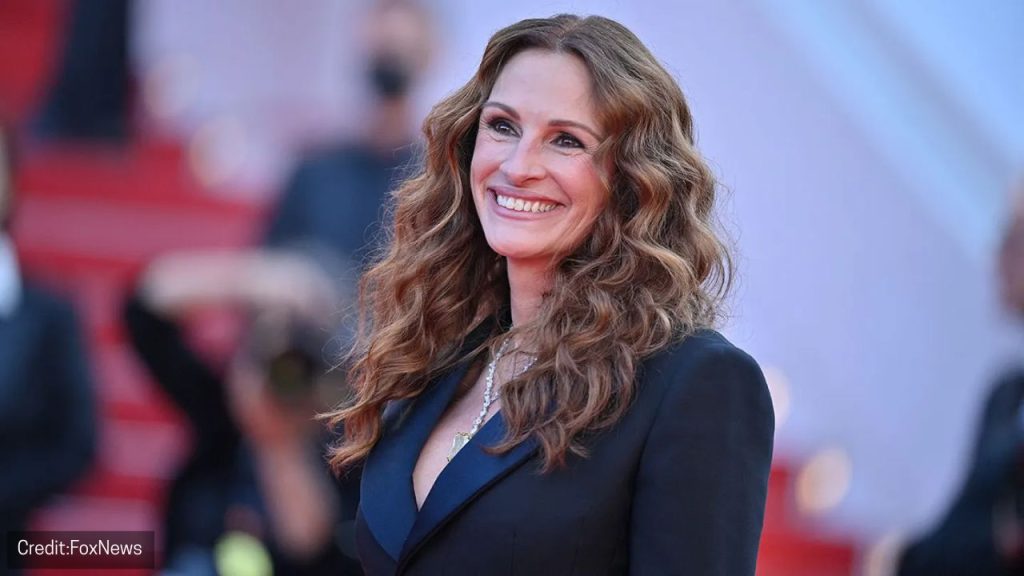
When you hear julia roberts talk about “After the Hunt,” you feel her passion for real conversation. She wants you to think deeply, not just watch.
“We’re not making statements; we are portraying these people in this moment in time…getting everybody to talk to each other is the most exciting thing that I think we could accomplish.”
She loves that you leave the theater ready to discuss tough topics.
Backlash Over “After the Hunt”
Criticism
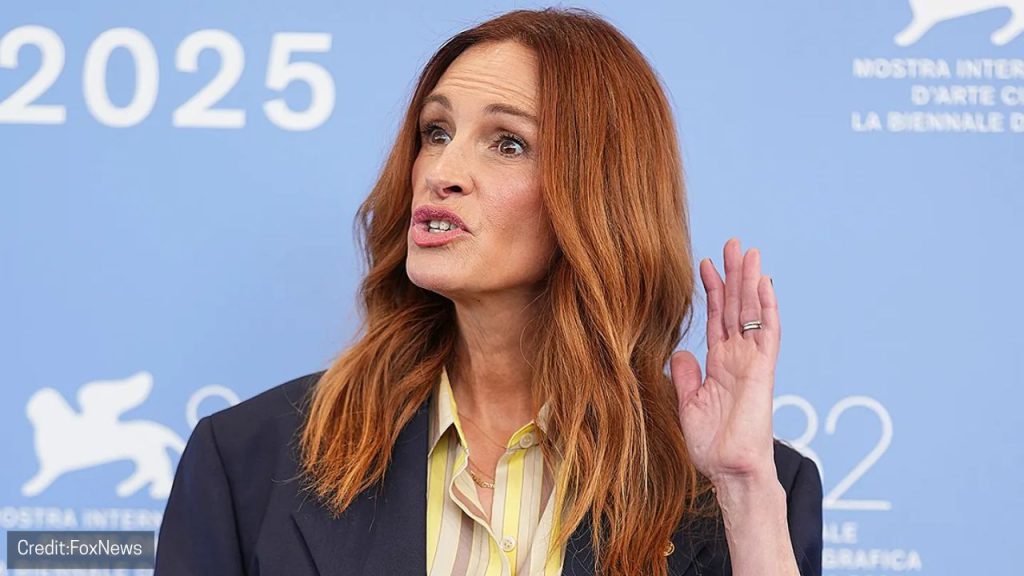
“After the Hunt” has made people talk a lot since it showed at the Venice Film Festival. Many people online and in news stories have strong feelings about how the movie shows tough subjects. Some viewers feel uncomfortable with how sexual assault and the #MeT/.oo movement are shown. They wonder if the movie helps survivors or makes things harder to understand.
Julia Roberts said, “If making this movie does anything, getting everybody to talk to each other is the most exciting thing we can accomplish.”
On social media, people argue about what the movie means. Some people like that the film starts hard talks. Others worry it might give mixed messages about real problems. After people watch the movie, even more share their thoughts and feelings. This shows how much the film makes people think.
Controversial Themes
When you watch “After the Hunt,” you have to think about big ideas. The movie talks about:
- Sexual misconduct and how it links to the #MeToo movement.
- How hard it is to deal with personal truths and accusations.
- The job of talking about artists with difficult pasts.
The story is about a college professor, played by Julia Roberts. She gets stuck in the middle when a top student says another professor did something wrong. This part of the story shows the fear and stress women feel when they speak up. It also shows how these claims can change friendships and affect the whole school.
Julia Roberts’ Response
Key Statements
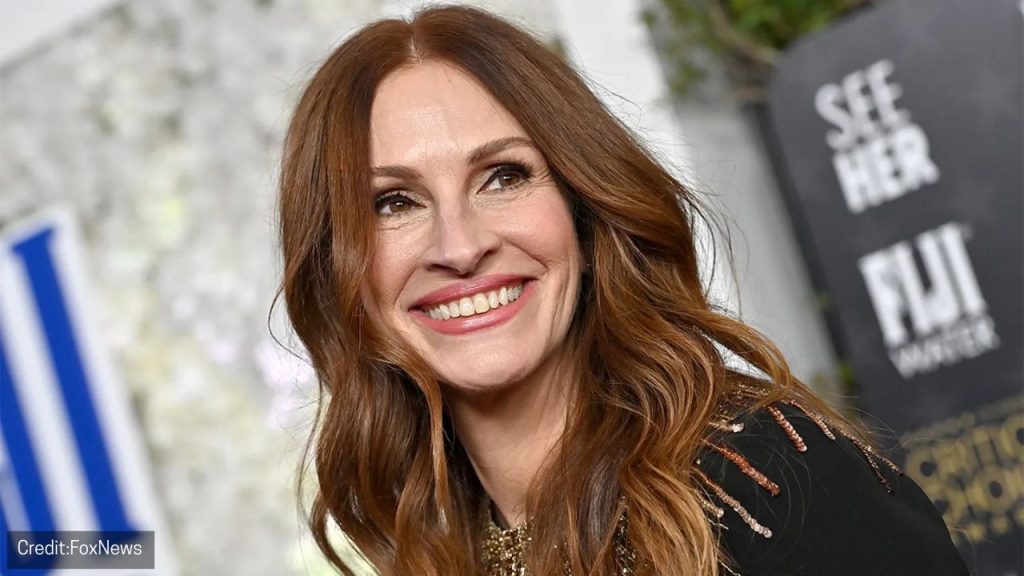
When you hear julia roberts talk about “After the Hunt,” you notice she cares about real talks. She does not want you to just watch and forget. She hopes you think, talk, and maybe even disagree about what you saw. Here are some main things she said at press events:
- The movie wants you to talk, not just get easy answers.
- Roberts said, “We’re not making statements. We are portraying these people in this moment in time.”
- She hopes you leave the theater with strong feelings, even if you are upset.
- Roberts thinks the best part is when you and your friends talk about it after.
- She says the film does not hurt the #MeToo movement. It asks you to look at every side and think hard.
“We’re losing the art of conversation in humanity.”
“We’re challenging people to have conversation and to be excited by that or to be infuriated by that.”
Roberts wants you to feel a bit uneasy. She thinks feeling uneasy helps you know what you believe.
“The best part of your question is that you all came out of the theater talking about it. That’s how we wanted it to feel. You realize what you believe in strongly because we stir it all up for you.”
She says this film is like her old movies. Sometimes a movie just shows life as it happens.
“We’re just sharing these lives for this moment, and then we want everyone to go away and talk to each other.”
Director’s Perspective
You might wonder what the director thinks about all this. Luca Guadagnino, who made “After the Hunt,” agrees with julia roberts a lot. He wants you to see the messy truth in every story. Guadagnino does not give you a clear answer. He wants you to see how ideas and generations can clash.
- The movie looks at the hard parts of academic life.
- It talks about right and wrong and privilege through what the characters say.
- The story mixes personal claims with big questions about schools.
Guadagnino says the movie is not about picking sides. He wants you to see how people deal with their own truths. He hopes you will talk about what you saw, even if you do not agree with others.
“We’re not making statements, we are portraying these people in these moments of time. I don’t know about controversy, per se, but we are challenging people to have conversation. To be excited or infuriated about it is up to you.”
If you look at other movies with tough topics, you see they can change how people think. Here is a quick look at how some movies make a difference:
| Impact Area | Example | Effect |
|---|---|---|
| HIV Films | Films about HIV | More people feel for those living with HIV |
| Transgender Representation | TV series with transgender characters | People feel better about transgender people |
| Mental Disorders | Films portraying mental health issues | People learn more and feel better about mental illness |
| Immigration | Empathy-arousing films about immigrants | People feel better about immigrants |
| LGBTQ+ Representation | Positive depictions of gay men | Less homophobia |
| Smoking | Films influencing smoking behavior | More people want to quit smoking |
| Donation Messages | Series with positive donation messages | More people want to donate |
So, when you watch “After the Hunt,” you join a bigger talk. You help shape how people talk about hard things. Julia roberts and Luca Guadagnino want you to feel, think, and talk. That is what makes this movie powerful.
You walk out of “After the Hunt” with questions and strong feelings. Julia Roberts wants you to talk about what you saw.
“Everyone comes out with all these different feelings and emotions and points of views. And you realize what you believe in strongly.”
Keep the conversation going. Your voice matters.
FAQ
What does Julia Roberts want you to feel after watching “After the Hunt”?
She wants you to feel challenged. You should leave the theater ready to talk about tough topics with friends or family.
Is “After the Hunt” based on a true story?
No, the movie is not based on real events. The story comes from the writers’ imagination.
Can you watch “After the Hunt” with your family?
You can, but the movie has serious themes. You might want to talk about the story together after watching.
About The Author