True Haunting: A Storm of Shadows and Skepticism – A Detailed Review Stream It or Skip It?
Key Takeaways
- True Haunting uses real testimonies to add authenticity to terrifying paranormal events.
- The series blends psychological horror with documentary storytelling for a unique viewing experience.
Netflix‘s True Haunting presents itself not as a fictional horror, but as a documentary testament to two of Ed and Lorraine Warren’s most disturbing cases. The series’ power doesn’t lie in jump scares, but in its unsettling claim: “this happened to real people.” By dissecting key scenes and the structural choice to blend testimony with reenactment, we can assess its credibility and its chilling effect.
The Eerie Hall Trilogy: The Corruption of Innocence
This arc follows Chris Di Cesare’s freshman year at Geneseo College, a classic tale of a demonic oppression that targets an individual, not a place.
Episode 1: “Eerie Hall: Part 1”
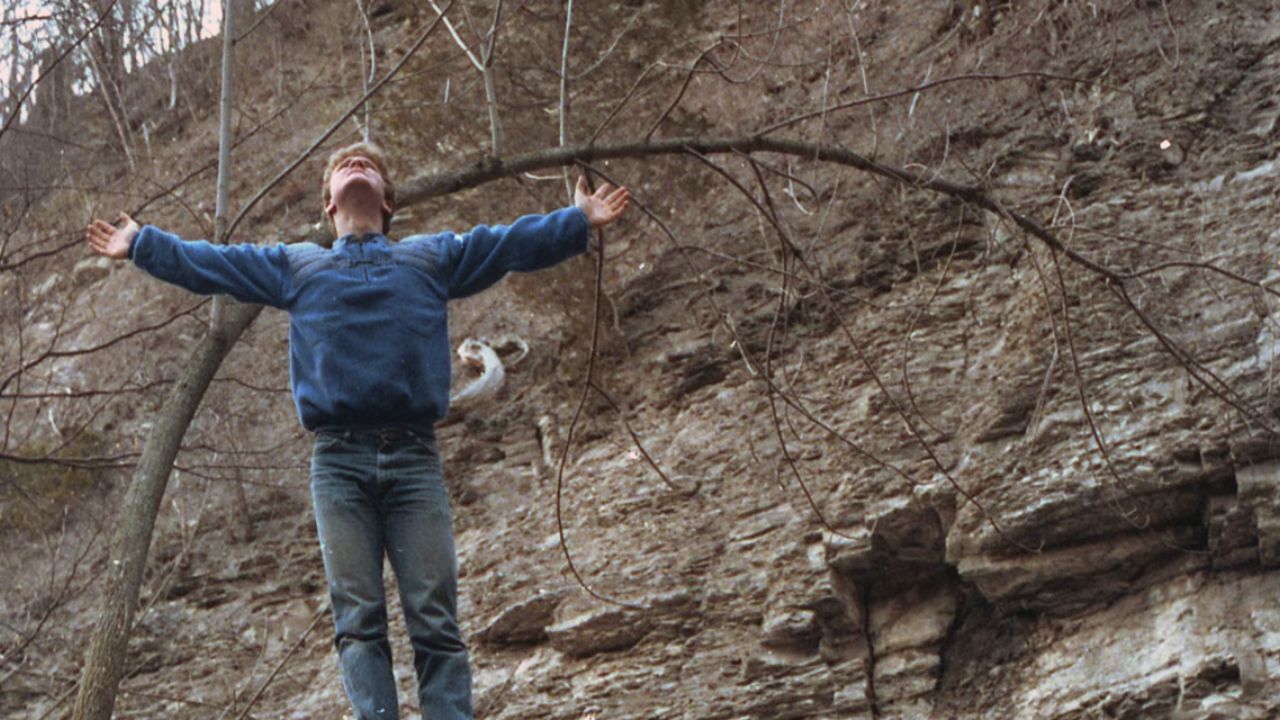
- The Scene of Unraveling Trust: The opening scenes establish Chris as the all-American kid: a disciplined runner, excited for college. The horror begins not with a specter, but with a sound—a distorted, guttural whisper of his name as he runs alone on a sun-drenched path. This is a masterstroke. It immediately establishes the entity’s pervasive nature; it is not confined to a haunted dorm room. The scene’s credibility hinges on Chris’s (the real interviewee) description of the event decades later. The fear in his eyes as he recounts the “voice from the earth itself” is the show’s most compelling evidence, making the subsequent reenactment feel less like fiction and more like a visual aid to his trauma.
- Deep Analysis: The episode smartly avoids poltergeist theatrics. Instead, it focuses on the psychological degradation of its victim. The “inexplicable feelings of dread” that descend upon him in his dorm are portrayed through slow-motion shots and a muffled soundscape, putting the audience inside his dissociating mind. The entity’s goal here is isolation, and the show effectively demonstrates how mental health can be weaponized by a perceived paranormal force.
Episode 2: “Eerie Hall: Part 2”
- The Séance Scene: A Point of No Return: The friend’s suggestion to use a Ouija board—a trope the Warrens vehemently warned against—is where the case escalates from perception to interaction. The dramatization of the séance is tense, but the true anchor is the real Chris’s account of what followed. He describes a definitive shift: the whispering became clear, threatening commands. “It told me to look at the clock at exactly 3:18 AM, and when I did, I saw a face in it.” This specific, timed detail is what gives the story its chilling plausibility. It’s not a vague “I saw a ghost”; it’s a methodical, verifiable (within his experience) moment of terror designed to break his will and prove the entity’s omnipresence.
- Deep Analysis: This episode explores the dangerous human response to the unknown: the desire to communicate. The show argues that this communication is not a dialogue but a surrender of spiritual territory. The “waking nightmares” that worsen are depicted as visceral, blood-soaked visions, representing the demonic infestation now moving from the external world into the sanctum of his own mind.

Episode 3: “Eerie Hall: Part 3”
- The Discovery Scene: The Physical Manifestation: The climax of the arc comes not during a dark ritual, but on another daytime run. Chris and his father discover a hidden, desolate cabin deep in the woods, a place that radiates pure malice. This is a critical scene. It provides a potential physical anchor for the haunting—a locus of dark energy that aligns with the Warrens’ theory of “residual portals.” The discovery moves the story from a potentially psychological episode to one with a tangible, geographical component.
- Deep Analysis: Chris’s decision to face the force alone in the dorm is the ultimate act of desperation. The show’s portrayal of the final confrontation is a cacophony of the entity’s entire arsenal: voices, physical force, and terrifying apparitions. The resolution, facilitated by the Warrens, is presented not as a total victory but as an exorcism and a retreat. The entity is driven from him, but the show implies it may still linger in that landscape, a malevolent force waiting for its next victim.
This House Murdered Me: The Home as a Living Enemy
This two-part arc shifts the focus to a classic haunted house, where the structure itself is the antagonist.
Episode 4: “This House Murdered Me: Part 1”
- The Scene of Financial and Spiritual Sinking: April and Matt’s story begins as a classic American dream: buying a beautiful Victorian fixer-upper. The horror is brilliantly intertwined with the slow-motion catastrophe of a money pit. The first paranormal events—footsteps in the attic, strange shadows—are almost dismissed as house settling sounds. The pivotal scene is when April is alone and hears the distinct, unmistakable sound of a man’s voice growl directly next to her ear. The reenactment is jarring, but the real power is in the present-day interview. April’s body language changes; she physically recoils recounting it. This moment marks the irreversible transition from “this house is a problem” to “this house is hostile.”
- Deep Analysis: The entity here is portrayed as a deceptive predator. It allows the family to invest their savings and sweat, sinking their roots deep before revealing its true nature. This makes the eventual haunting feel like a brutal betrayal, amplifying the trauma.
More on Stream It or Skip It?
Steve (2025) Review: A Gritty, Exhausting Masterpiece of Human Vulnerability Stream or Skip It?

Monster: The Ed Gein Story – Netflix’s Most Disturbing True-Crime Yet Stream It or Skip It?
Episode 5: “This House Murdered Me: Part 2”
- The Investigation Scene: Corroborating Terror: The family’s turning point is hiring paranormal investigators (separate from the Warrens initially). The key evidence presented is Electronic Voice Phenomenon (EVP). The show plays audio clips purported to be from the investigation: a clear, sinister voice saying “Get out” and another identifying itself with a name. For the audience, this is a crucial moment. While skeptics can dismiss personal testimony, the presentation of audio evidence asks a direct question: is this fabricated, or is it data?
- Deep Analysis: The finale is a battle of wills. The burning of sage, a common cleansing ritual, is shown to be ineffective, even angering the presence. This leads to the Warrens’ involvement and the revelation of the house’s “horrifying history”—a common thread in their cases that provides a narrative origin for the evil. The final act of “winning the house back” is depicted as a strenuous spiritual battle, less about a single exorcism and more about a relentless campaign of reclamation through faith and force of will. The title, “This House Murdered Me,” becomes a metaphor for the death of their dream, their peace, and their former selves.
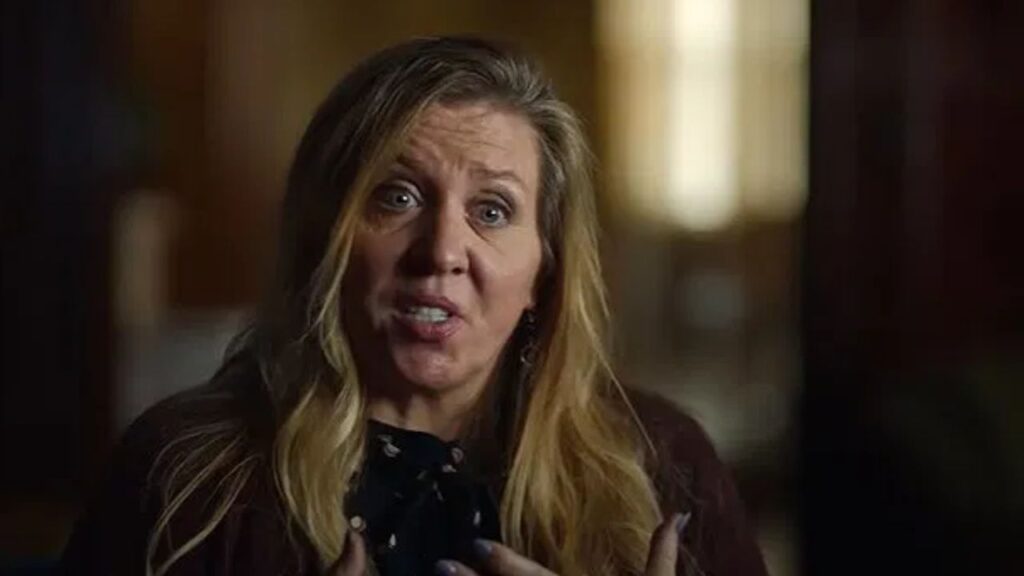
True Haunting Ending Explained: Resolution or Resignation?
What Happens: The exorcism of the home appears to work. The intense, violent activity ceases. The Smurl family is finally able to live in a state of relative peace. The entity is gone.
The Deeper Meaning: The ending is one of qualified victory. The demon was defeated, but the cost was immense. The series concludes not with a triumphant celebration, but with a somber reflection on the aftermath. The family’s lives were permanently altered. Their faith was tested, their sense of security shattered, and their story was thrust into the public eye, attracting both believers and vicious skeptics.
The final takeaway is that “winning” against a paranormal force doesn’t mean returning to normalcy. It means learning to live with the scars. The haunting ended in the house, but its echo remained with the Smurls forever. The ending leans into the “true” aspect by acknowledging that for the family, this was not a movie; it was a life-shattering trauma from which they never fully recovered.
The Final Verdict: Stream or Skip?
After this deeper analysis of its narrative techniques and evidentiary appeals, the verdict becomes clearer.
You should STREAM this series if:
- You are a connoisseur of paranormal documentaries that prioritize first-person testimony.
- You appreciate horror that builds through psychological dread and specific, recounted details rather than gore.
- You are fascinated by the Warren-verse and want to see a grittier, less Hollywood portrayal of their cases.
- You can engage with the material by asking “What if this is true?” and find the human reaction to terror more compelling than the monster itself.
You should SKIP this series if:
- You require irrefutable, scientific proof and have zero tolerance for unverifiable claims or potential confirmation bias.
- You seek a high-octane, visually terrifying horror experience in the vein of The Conjuring films.
- You find the docudrama format jarring and feel that the reenactments undermine the credibility of the testimonials.
- You are looking for definitive, neatly wrapped-up endings. These stories, by their nature, end with lingering questions and trauma.
Final Answer: ✅STREAM.
Why? Despite its formulaic docudrama structure, True Haunting succeeds through the raw, unshakable conviction of its subjects. The specific, haunting details—the timed apparition at 3:18 AM, the growled voice in the ear, the discovered cabin—are presented with a visceral authenticity that transcends the sometimes-clunky reenactments. It is a chilling, thought-provoking exploration of two core horror paradigms: the individual targeted by darkness, and the home that becomes a prison. Watch it with the lights low, and decide for yourself where the line between testimony and truth lies.
We’ve shared our thoughts—now it’s your turn! Share your voice below
 Loading ...
FAQs:
Q1: Is True Haunting based on a real story?
A1: Yes, the series explores two real-life paranormal cases investigated by Ed and Lorraine Warren.
Q2: Is True Haunting worth watching?
A2: Yes, if you enjoy psychological horror, first-person testimony, and true haunting investigations.
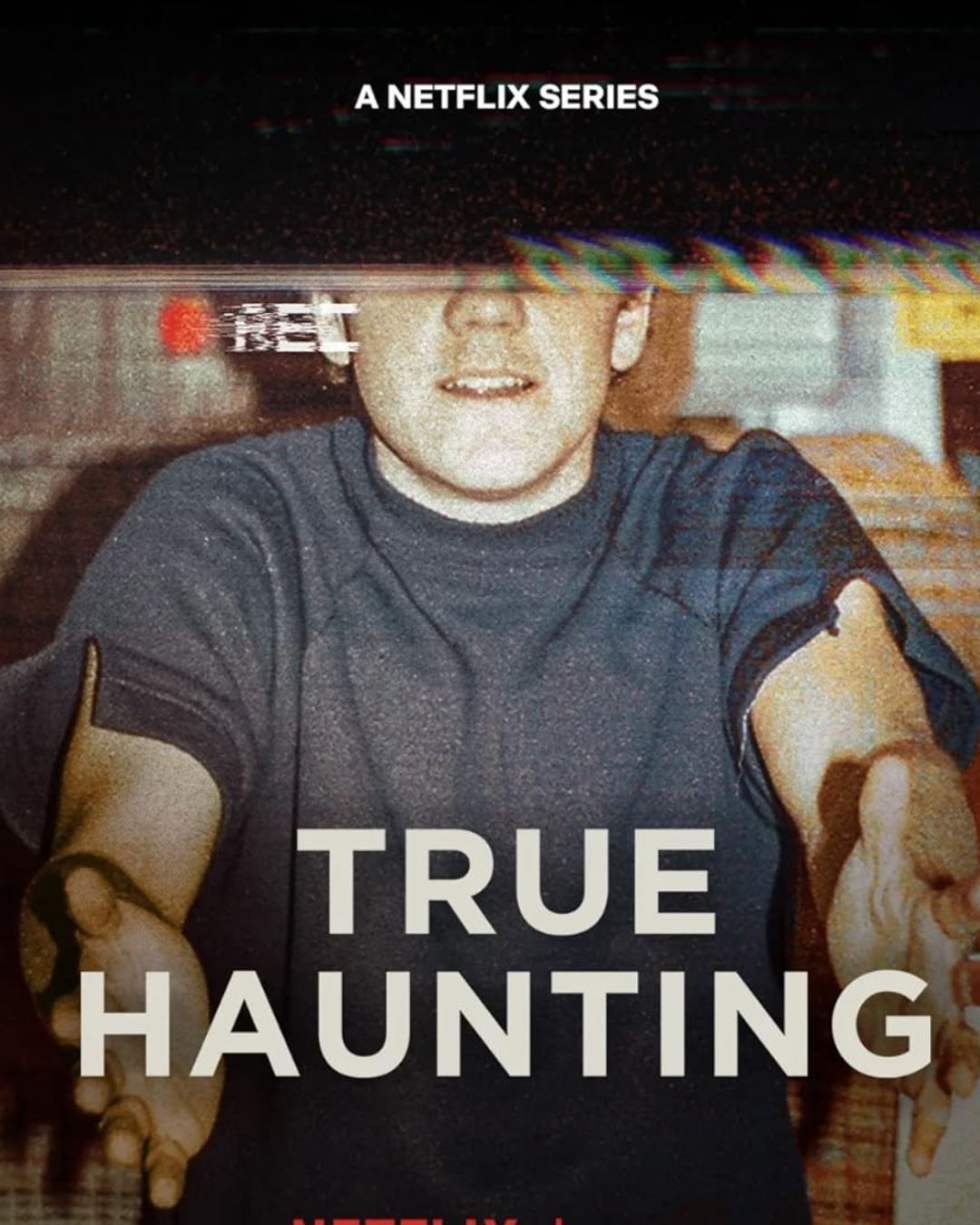
True Haunting
Our Rating:⭐3.5/5
Network Netflix
Genres: Documentary Series, TV Horror
Release Date: October 07, 2025
Seasons: 1
Episodes: 5
Rate This Series
About The Author