
Is Salakaar Worth Watching or Just Another Spy Drama

Salakaar grabs attention with strong acting and sharp direction. Naveen Kasturia and Mouni Roy shine in their roles. The show brings real emotion but struggles with weak writing and fast pacing. Predictable twists keep it from standing out. Fans of spy dramas may spot familiar patterns here.
Salakaar Overview

Premise
Salakaar is about a spymaster who finds a secret nuclear site in Pakistan. The story is based on real events. Naveen Kasturia’s character goes undercover for a risky job. Mouni Roy, Mukesh Rishi, and Surya Sharma are also key characters in this tense world. The show is about a secret Indian mission to stop Pakistan’s nuclear plans. We watch the dangers and choices of people who work in secret. The creators want to mix suspense with real feelings. They try to make the spy story feel more personal.
Timeline and Themes
Salakaar takes place in two years: 1978 and 2025. The story uses these years to show how spying has changed. In 1978, spies use their gut, secret notes, and trust. These scenes feel rough and old-fashioned. In 2025, spying looks very different. Technology and AI, like smart glasses, are important now. This shows that threats stay, but tools and ways of spying change.
The show talks about many ideas:
- Espionage and the excitement of undercover jobs
- Patriotism and being loyal to your country
- Giving up things and keeping secrets
- How pain from the past affects people now
- Hard choices in the world of intelligence
Note: Some people think the jumps between years are confusing. The show tries to link old and new spying, but the changes can mess up the story and make it less emotional.
Strengths

Performances
Naveen Kasturia is great in Salakaar. He plays Adhir Dayal with both strength and weakness. Critics say he speaks clearly and fights well. Mouni Roy does a good job, but some people think she could show more feelings. Surya Sharma acts as Colonel Ashfaq Ullah. He uses his body and speaks Urdu well. Mukesh Rishi is strong as General Zia Ullah. Purnendu Bhattacharya also stands out. The actors work together and make the story feel real.
Direction
Faruk Kabir gives Salakaar a new look. He cares about real feelings, not just cool gadgets. The story jumps between two times, which makes it exciting. Kabir shows spies as people who feel lonely and must make hard choices. He films in places like Ladakh and Lucknow to make it look real. The show is about plans and giving things up, not just fighting. Kabir’s way helps us care about the characters and their problems.
Kabir’s style is special because he shows the human side of spies. He wants us to see what spies give up, not just the action.
Here’s a quick look at what makes Kabir’s direction special:
| Aspect | What Kabir Does Differently |
|---|---|
| Casting Approach | Picks actors we can relate to, not just famous stars |
| Narrative Structure | Uses two time periods to make things more interesting |
| Location Shooting | Films in real places to show history and differences |
| Visual Style | Shows big buildings and nature to make it feel real |
Emotional Impact

Salakaar tries to make us feel something. The show mixes love for the country, fear, and giving things up. One critic says it is strong and feels real. Mouni Roy’s character changes from cold to someone with feelings. The best parts show the pain and choices in every mission. The show mixes action and feelings, so we think about what spies go through.
Some reviews say the show does not always show deep feelings. We see pain and hard times, but not every character’s story is finished. Still, Salakaar is different because it tries to show the real lives of spies. The sad scenes make it more than just a normal spy show.
Weaknesses
Writing
Many viewers notice problems with the writing in Salakaar. The story tries to do too much and ends up feeling thin. Critics say the screenplay does not give enough attention to most characters. Only the main roles get real development. The rest feel flat and forgettable. Some scenes in the present-day timeline seem silly or hard to believe. The dialogue often sounds forced and unnatural. This makes it hard for the audience to connect with the story. Even with good acting and direction, the weak writing pulls the show down.
Note: Reviewers often mention that the writing feels rushed and lacks effort. The story sometimes takes big leaps that do not make sense. This makes the show less engaging.
Pacing
Salakaar moves at a very fast pace. The story covers a lot in just five long episodes. This quick pace leaves little time for suspense or deep moments. Some scenes feel like they jump from one event to the next without a break. For example:
- The main character, Adhir, escapes from danger too easily.
- Clues in the story fit together too perfectly.
- Costume changes happen so fast that it feels unrealistic.
These things make the story feel rushed. The audience does not get a chance to feel the tension or worry about what will happen next. The show focuses more on moving the plot forward than building real suspense.
Predictability
Many spy dramas keep viewers guessing. Salakaar does not. The plot follows the same path as other shows like Mission Majnu and Rocket Boys. Viewers can often guess what will happen next. The story uses old ideas and does not bring anything new. This lack of surprise makes the show less exciting.
Reviewers point out that the show misses the suspense and clever twists found in better spy dramas. The story feels rushed and does not let characters grow in a natural way. The dialogue also feels stiff, which makes it harder for viewers to care about the people on screen.
Here’s a quick comparison of suspense and thrills in Salakaar versus other popular spy dramas:
| Feature | Salakaar | Mission Majnu / Raazi |
|---|---|---|
| Thrills | Lacking | Abundant |
| Suspense Level | Predictable, no tension or clever twists | Rich with memorable twists and tension |
| Character Depth | Superficial | Rich and layered |
| Execution Quality | Clichéd, lacking sharp writing and emotional depth | Well-executed with sharp writing and emotional depth |
Many viewers say that Salakaar does not deliver the excitement or depth they expect from a spy show. The story feels safe and familiar, which makes it easy to lose interest.
Read Here Full Article : Weapons Surprised Me More Than I Thought It Would
Salakaar vs Others
Genre Comparison
Spy dramas usually have certain things in common. They show secret missions, double agents, and tough choices. Most of these shows focus on action, gadgets, and big twists. Salakaar tries to follow some of these rules but also does things differently.
- The story uses two timelines, 1978 and 2025, to show how spying has changed over time.
- It focuses more on real feelings and character struggles than on action or fancy gadgets.
- The show’s mood feels tense and serious, with a strong sense of patriotism and personal sacrifice.
- The main actors give strong performances, which adds depth to the story.
- Salakaar blurs the line between doing the right thing for the country and making personal choices.
However, some things make it less exciting than other spy dramas. The writing sometimes feels weak, and the story can be confusing. The show does not always have the sharp twists or fast pace that fans expect. Some viewers think the use of new technology, like AI glasses, feels more like a trick than a real part of the story.
Here’s a quick look at how Salakaar compares to other spy dramas:
| Feature | Salakaar | Typical Spy Drama |
|---|---|---|
| Action & Gadgets | Low | High |
| Emotional Depth | High | Medium |
| Twists & Suspense | Low | High |
| Character Focus | Strong | Varies |
| Realism | Medium | Varies |
Unique Elements
Salakaar stands out in a few ways. The show tells its story across two different time periods, mixing old-school spying with modern-day threats. The 1978 timeline follows a young agent on a dangerous mission, inspired by a real-life hero. This gives the story a sense of truth and history.
- The show highlights the quiet strength and smart thinking of spies, not just their fighting skills.
- It pays close attention to small details from the past, like famous cricket matches, to make the story feel real.
- The focus stays on the personal sacrifices and emotional struggles of the characters.
- Salakaar tries to honor real-life spies by showing their bravery and the hard choices they make.
Even with these special touches, some parts of the present-day story feel less fresh. The show sometimes falls back on old spy drama tricks, which can make it feel less original. Still, its focus on emotion and history gives it a unique place among spy shows.
Audience Reaction
Positive Feedback
Many people online say good things about the show. Fans like the acting and think the story is exciting. Here are some things people say:
- Twitter user @dwivedikaustuv thinks all the actors did well and says the story is better than most, with a good ending.
- @MrArunSiingh calls it a great series and one of the best on the platform.
- Fans talk a lot about Mouni Roy’s acting and how she looks.
- The show’s dark mood and smart puzzles are popular. People enjoy the mind games and tense moments.
- Some viewers like that the story is based on real events. This makes it feel more real.
- The bold style and strong mood get noticed by many.
- A lot of people think the show is a good new spy thriller from India.
Fans remember the show because the actors work well together and the story shows what real spies do. People who like smart and serious stories enjoy this show.
Criticisms
Some people do not like everything about the show. They see problems that stop it from being great.
- Some say the writing feels rushed and is sometimes hard to follow.
- Many fans think the story moves too fast between different times, which can be confusing.
- Some viewers believe the plot is not very exciting and uses old ideas from other spy shows.
- A few people say the way characters talk does not sound real.
- The ending is good for some, but others want more surprises and deeper meaning.
Even though people like the acting and the idea, many wish the story was told better and had more new twists.
The acting in this spy show is very good. The director does a nice job too. These things help make the show interesting. But there are some problems with the story. Sometimes, the story does not make sense. The mood of the show also changes too much. People who like stories with strong feelings and tense moments might enjoy it. If you want a new kind of story or perfect writing, you may not like it as much.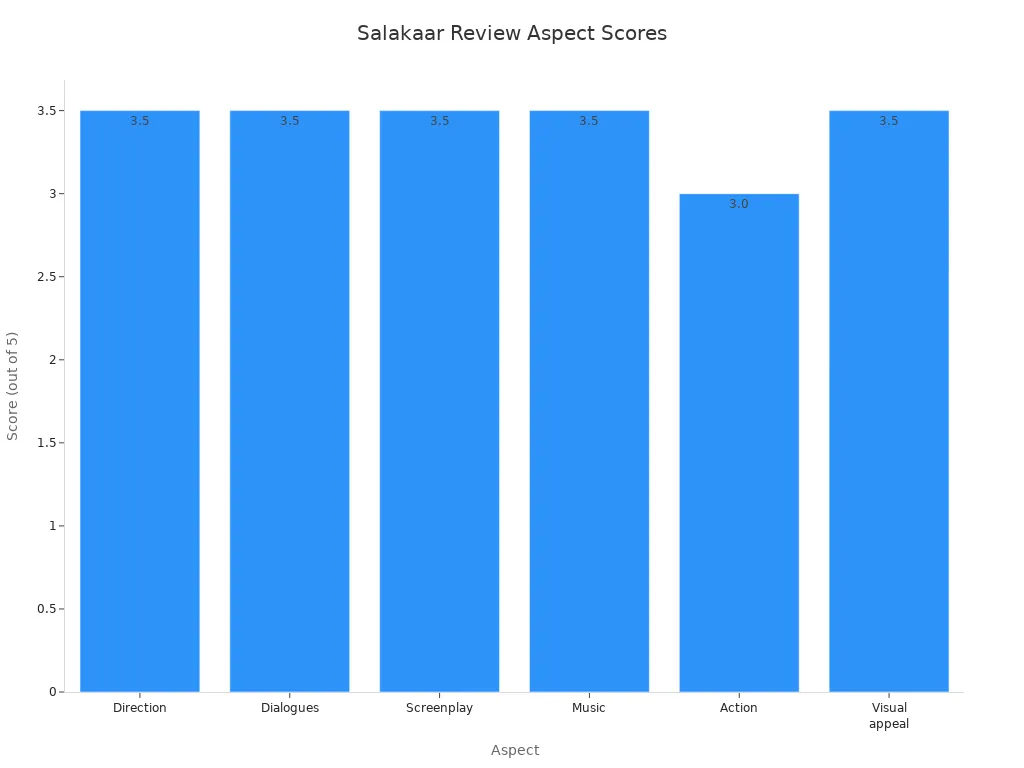
FAQ
Is Salakaar based on a true story?
Yes, Salakaar takes inspiration from real events. The show follows a secret Indian mission and highlights the risks spies face.
How many episodes does Salakaar have?
Salakaar has five episodes. Each episode runs for about an hour. Viewers can watch the whole series in one weekend.
Who should watch Salakaar?
Fans of spy dramas and emotional stories will enjoy Salakaar. People who like fast action or big twists may want to skip it.
About The Author