Sheinelle Jones finds hope after losing her husband to brain cancer

You might feel lost when you lose someone you love. Grief can hurt a lot and seem like it will never end. Many spouses, like sheinelle jones, have times of deep sadness and confusion.
Diagnosis and Love Story

Uche Ojeh’s Battle with Glioblastoma
Hearing “glioblastoma” for the first time can be shocking. This type of brain cancer is very tough for families. People might see headaches, confusion, or memory loss. Weakness and seizures can also happen. These changes make everyone feel sad and stressed.
- Headaches and confusion can show up early.
- Memory loss and mood swings make life harder.
- Families feel worry and sadness as their loved one changes.
You may look for help and answers. Many families join together during this time. They put aside old fights to help each other. You might feel mixed emotions, but being together helps each day. Friends, family, and doctors are very important now. You learn to ask for help and accept it, even if it is hard.
Cherished Moments Together
Love can be strongest when things are hard. Small moments can bring comfort. Sheinelle Jones and Uche Ojeh had a strong bond that grew during his sickness. Their story started at Northwestern University, where they met as students. Years later, Uche asked her to marry him during a rainstorm on campus. They got married in Philadelphia in 2007.
| Event | Description |
|---|---|
| Meeting | They met at Northwestern University. She was a freshman, he was a senior. |
| Proposal | Uche asked her to marry him on campus in the rain, eight years after they met. |
| Marriage | They got married in Philadelphia in 2007. |
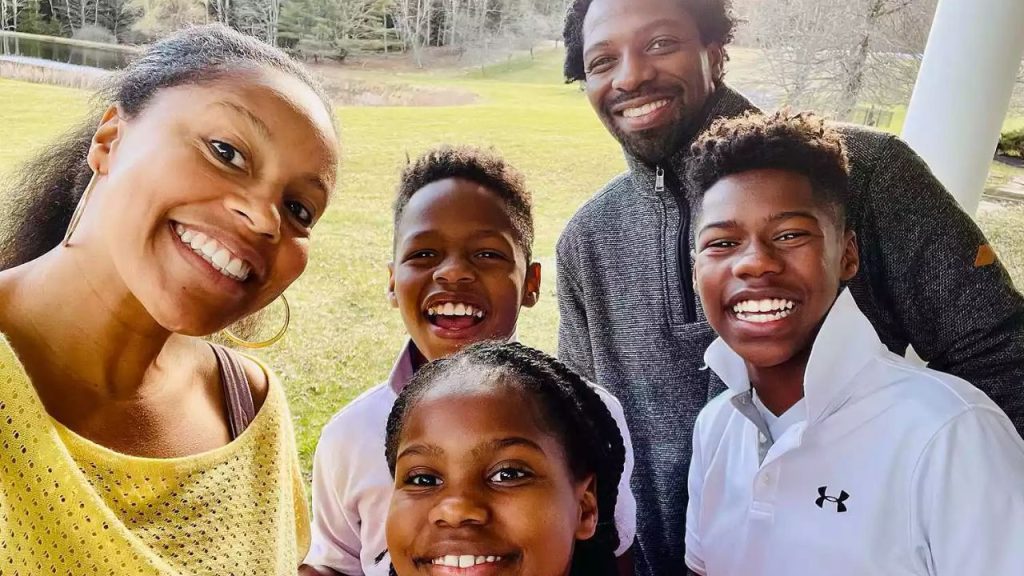
| Family | They have three children: Kayin, Uche, and Clara. |
| Relationship during illness | Uche went to every event for his kids, showing his love and pride. |
You might remember holding hands in the hospital or sharing a laugh. Sheinelle once said she looked at the New York City skyline with Uche from his hospital bed. She called it a “full-circle moment.” Nurses called them “lovebirds” because they were so close. These memories help you heal. You can make memory boxes, write letters, or tell stories about your loved one. Each memory brings comfort and keeps their spirit alive.
Sheinelle Jones’s Grief

The ‘Beautiful Nightmare’
Grief can feel like a storm. You may wake up and wonder how you will get through the day. Sheinelle Jones described her heart as “shattered in a million pieces” after losing her husband. You might feel pain and sadness, but sometimes you find beauty in the hardest moments. Sheinelle Jones called her experience a “beautiful nightmare.”
“It felt scary. It felt divine. It felt bigger than us. But at the end of the day, when we shut the door and it was just us, that was always when we felt like we were at our best. And my 19-year-old self did it, and then my 47-year-old self was doing it again. We would just hold hands, and the nurses would come in, and they would call us the lovebirds. And we would just look at each other, say ‘I love you,’ and hold hands. But that’s what I mean by beautiful nightmare.”
You may notice that grief brings many emotions. Sometimes you feel anger, guilt, or despair. Other times, you remember love and joy. It is normal to feel both sadness and relief. You can grieve what might have been and still honor the good memories.
| Aspect of Grief | Description |
|---|---|
| Emotional Reactions | You may feel anxiety, guilt, anger, depression, or despair. |
| Cognitive Effects | You might struggle to concentrate or make decisions. |
| Behavioral Changes | You may withdraw from activities or find it hard to do daily tasks. |
| Physiological Symptoms | You could have trouble sleeping or lose your appetite. |
| Stages of Grief | Shock, yearning, despair, and finally, acceptance and resolution. |
Embracing Vulnerability
You might think showing your feelings is a weakness, but it is actually a sign of strength. When you share your pain, you help yourself heal. Sheinelle Jones showed courage by talking about her grief. She said she would “do it all over again” for the love she shared with her husband.
- Vulnerability helps you grow and become stronger.
- When you express your true feelings, you build trust with others.
- Talking about mental health breaks the stigma and helps others seek help.
Support from your community can make a big difference. Friends and family can listen and comfort you. Support groups give you a safe space to share your story. The quality of these relationships matters most. When you let others in, you find hope and begin to heal.
“The paradox is that by allowing them, over time you do heal and recover and have hope again and love again.”
You may feel lost at first, but with time and support, you learn to accept your loss. You discover that grief and hope can live side by side. By embracing vulnerability, you open the door to healing and new beginnings.
Finding Hope
Honoring Uche’s Memory
You can keep your loved one’s spirit alive by honoring their memory. Many people choose special ways to remember those they have lost. You might create a tribute, make a donation, or share stories that celebrate their life. These actions help you feel close to your loved one and inspire others.
| Method | Description |
|---|---|
| Create a Tribute Page | Personalize a page to invite friends and family to donate in honor of your loved one. |
| Make a Donation | Give to organizations like the Pediatric Brain Tumor Foundation in memory of someone special. |
| Share Personal Stories | Tell stories about your loved one to keep their memory alive and connect with others in grief. |
You can also give memorial gifts to support programs that mattered to your loved one. Some families ask for donations instead of flowers, helping causes that bring hope to others.
“William Small (my father) was diagnosed with a GBM in 2019 and passed away in August of 2020. I pray that one day we will find a cure to this disease, so it stops taking our loved ones.”
Sheinelle Jones honors Uche’s legacy by sharing her grief journey. You can follow her example by encouraging your children to express their feelings. Sheinelle reminds her family that talking about emotions can help them heal. When she returned to the Today Show, she spoke about the importance of family and respected Uche’s wish for privacy. You can celebrate your loved one’s life by living with kindness, courage, and hope.
Moving Forward
Sheinelle Jones’s Return to Today
You may wonder how you can move forward after a loss. Returning to work can help you heal. When you step back into your routine, you start to rebuild your life. You find comfort in familiar faces and daily tasks. Many people feel less distress when they return to work. You can reflect on your feelings and talk safely with others. This helps you recover and grow stronger.
Sheinelle Jones’s return to the Today show marked a turning point. She shared her pain and her journey with viewers. She said, “My heart is shattered in a million pieces.” You see her strength as she finds beauty in the nightmare. Her story shows you that healing is possible, even when life feels broken.
- You can find support in your workplace.
- You may feel lighter as you reconnect with others.
- You learn to balance grief and hope each day.
Celebrating Life with Her Children
You can celebrate life, even after loss. Creating new traditions helps you honor your loved one and build new memories. You might involve your children in planning holidays or special events. This gives them a chance to share their feelings and remember happy times.
“Grief is like a wave, and what I’ve told my kids, it’s almost like rain can’t last forever. So when the rain comes, in some ways I’ve just learned to look up at the rain and let it be a cleansing rain and let it clear the air. And so I don’t run away from crying anymore.”
You can set up a memory space or light a candle during family gatherings. You may visit places that were special to your loved one. Acts of service, like helping others, can honor their memory and give you purpose. Gratitude helps you focus on the good your loved one brought into your life.
- Continue favorite family activities.
- Share stories about your loved one.
- Find joy in small moments together.
Sheinelle Jones shows you that joy and purpose can return. You can move forward while keeping your loved one’s spirit alive.
You can find hope even in the darkest times. Sheinelle Jones showed gratitude for her community and shared her story to help others. You may feel both grief and joy as you heal. Support groups and friends can lift you up.
| Tip for Healing | Benefit |
|---|---|
| Share your feelings | Feel less alone |
| Honor loved ones | Keep memories alive |
| Seek support | Grow stronger |
- Grief is personal and takes time.
- You can carry memories and create new ones.
- Hope brings strength for each new day.
FAQ
How can you find hope after losing someone to cancer?
You can find hope by sharing your feelings with others. Lean on your community and remember the good times. Faith and gratitude help you see light in dark moments. Small steps each day bring strength.
What are some ways you can honor your loved one’s memory?
You can create a memory box, share stories, or make a donation in their name. Celebrate their favorite traditions. Acts of kindness keep their spirit alive and inspire others.
How do you support your children through grief?
You can talk openly with your children about their feelings. Encourage them to share memories and ask questions. Create new family rituals together. Let them know it is okay to cry and heal.
Is it normal to feel both joy and sadness during grief?
Yes, you can feel joy and sadness at the same time. Memories may bring tears and smiles. Allow yourself to experience every emotion. Healing happens when you accept both feelings.
About The Author