The Resurrected:Netflix’s Taiwanese Supernatural Revenge Thriller Review Stream or Skip It?
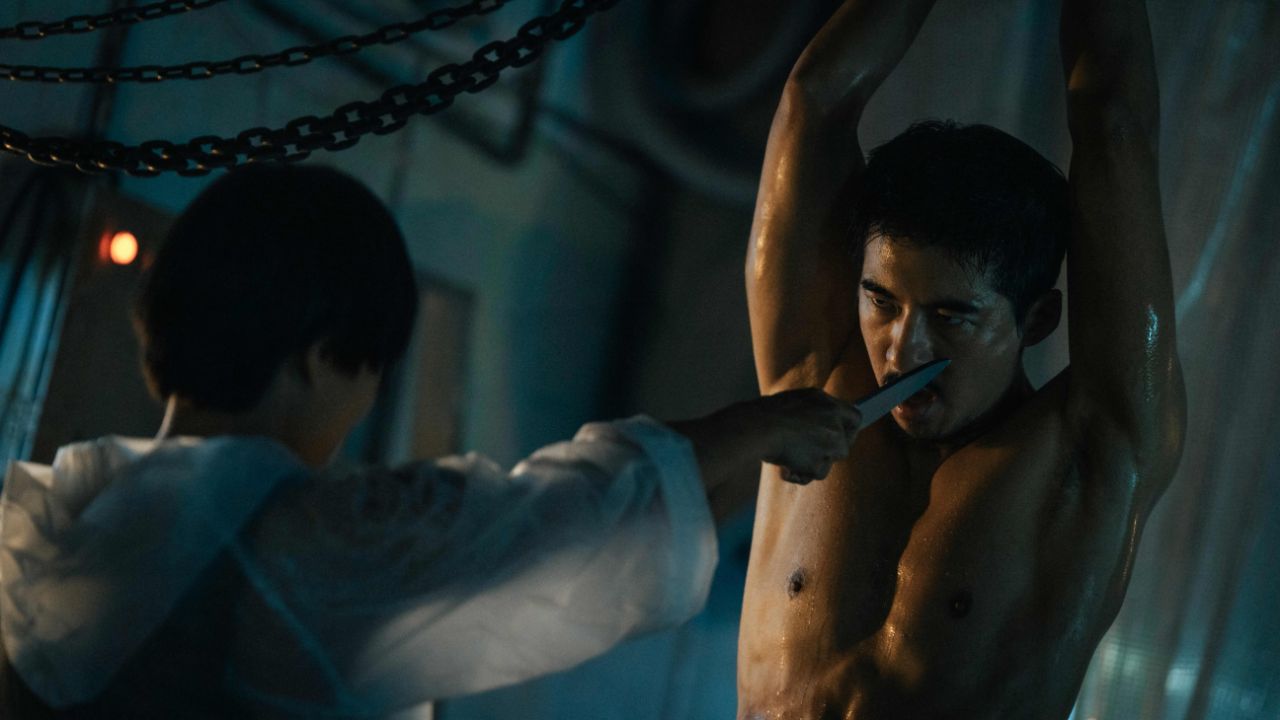
“The Resurrected” (回魂計) is a Taiwanese Netflix original series that premiered on October 9, 2025, offering a provocative blend of crime thriller, supernatural horror, and profound moral drama. Across its nine episodes, the series follows two grieving mothers, Wang Hui-chun (Shu Qi) and Chao Ching (Angelica Lee), who undertake an unorthodox quest for justice after their daughters fall victim to a massive telecom fraud and kidnapping scheme. Rather than finding satisfaction in the legal conviction and execution of the scam leader, Chang Shih-kai (Fu Meng-po), they resort to resurrecting him through a mysterious ritual to extract their own vengeance.
What sets “The Resurrected” apart from typical revenge narratives is its deep philosophical grounding. The series uses its supernatural premise—the resurrection of a criminal—not as mere plot device, but as a gateway to explore “the painful costs of revenge and redemption” . It questions whether true justice can ever be achieved through personal vengeance and how far individuals might go when consumed by grief. The show carefully establishes its two protagonists as “sympathetic & imperfect” characters, making their morally ambiguous journey compelling rather than simply condemnable. Directors Leste Chen and Hsu Chao Jen have crafted a world that balances “realism and the fantastical” , where the mundane struggles of caring for a comatose child or funding medical treatments exist alongside dark resurrection rituals.
Resurrected:Episode-by-Episode Analysis | Spoiler Alert
Episodes 1-2: The Foundation of Grief and Desperation
- Episode 1: “Execution Day” (50m): The series opens with a powerful establishment of its central tragedy and moral dilemma. We’re introduced to Hui-chun, whose daughter Jin Jin lies comatose, and Chao Ching, whose daughter Hsin-yi was brutally tortured to death . Their journey to a remote village where they witness “the resurrection of a monkey” establishes the supernatural framework of the story while simultaneously keeping viewers “in the dark about what exactly is going on” —a narrative choice that effectively mirrors the characters’ own disorientation and desperation. The episode culminates in the execution of Chang Shih-kai, which brings no solace to the mothers, instead leaving them with what one review calls “the bitter anger and unresolved pain of a victim’s family” .
- Episode 2: “Resurrection Day” (56m): This episode focuses on the practical and moral complexities of the mothers’ radical plan. Following a two-year time jump , we see how their lives have diverged yet remain connected through shared grief. Hui-chun cares for her comatose daughter while “making money off social media to keep her life support on” , while Chao Ching “spends all her time seeking justice for her daughter’s death” . Their decision to resurrect Chang Shih-kai represents a pivotal transformation—from passive victims of tragedy to active agents of vengeance. The episode showcases their “bold, intelligent decisions” and the extreme measures they’re willing to take, including blackmail, to fund their mission. The resurrection ritual itself is presented not as a triumphant moment but as “a deeply serious decision” , emphasizing the moral weight of their actions.
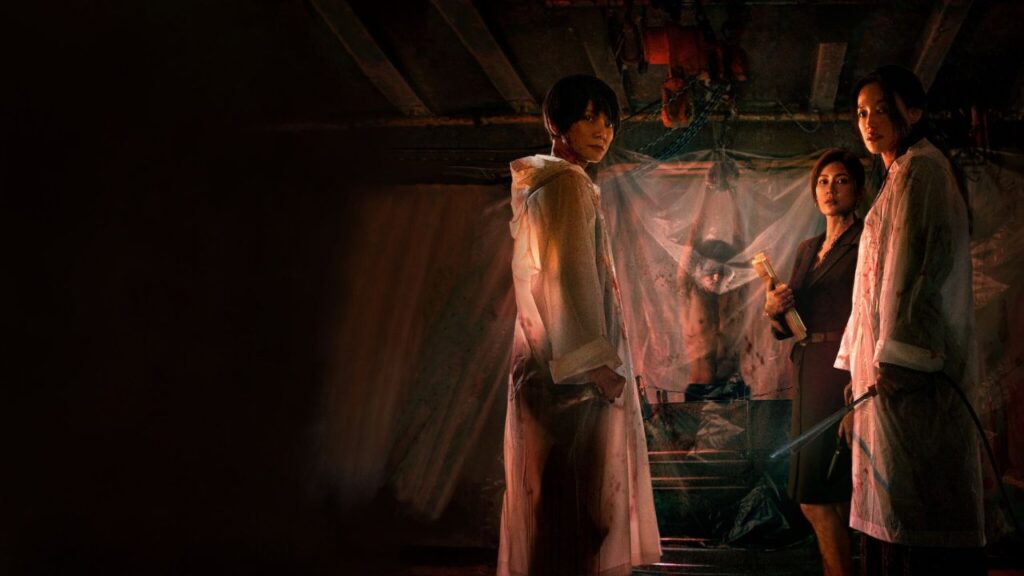
Episodes 3-5: The Unraveling Truth and Moral Complexity
- Episode 3: “Vengeance Day” (1h 9m): As the longest episode in the series, “Vengeance Day” delivers crucial emotional and narrative development. The disturbing details emerging about “Paradise Hotel”—where the daughters were reportedly held—begin to reveal the true horror of what they endured . This episode likely represents what one reviewer described as the point where the show becomes “fully engrossed in its main plot” , moving beyond setup into the substantive consequences of the resurrection. The mothers begin their interrogation of the resurrected Chang Shih-kai, though his temporary resurrection comes with a significant limitation—he has only “seven days” before returning to death, creating a compelling narrative countdown.
- Episode 4: “Investigation Day” (50m): This episode highlights the differing approaches of the two protagonists. While Chao Ching directly interrogates Chang Shih-kai and uncovers his connections to a religious group , Hui-chun attends his vigil at a temple linked to his past . This divergence in methods begins to reveal their contrasting personalities and moral frameworks. The religious cult connection expands the narrative scope beyond a simple perpetrator-victim dynamic, suggesting larger systemic corruption and ideological manipulation at play. The episode likely continues what reviewers have praised as the show’s “dynamic storytelling” that isn’t afraid to show “the realistic complexities” of the characters’ situations.
- Episode 5: “Investigation Night” (49m): The introduction of An Chi, who shares “her past at Paradise Hotel” at a public speaking event, provides additional perspective on the criminal enterprise that victimized the daughters. This technique effectively expands the narrative beyond the two central mothers, suggesting a wider pattern of victimization and collectively shared trauma. Meanwhile, the mothers “set a new plan in motion as their scheme quietly expands” , indicating both the escalation of their mission and the potential for unintended consequences. This progression exemplifies what one review noted as the show’s “spiralling exploration of a rabbit hole that quickly seems bottomless” .
More on Stream It or Skip It
Néro the Assassin Review: Netflix’s Brutal New Historical Thriller – Stream or Skip?

True Haunting: A Storm of Shadows and Skepticism – A Detailed Review Stream It or Skip It?
Episodes 6-7: Escalation and Unraveling Control
- Episode 6: “Day of Disarray” (53m): The title aptly describes the increasing fragmentation of the mothers’ carefully laid plans. Hui-chun’s confrontation with Chang Shih-kai’s mother, whom she shows “a cryptic video that rattles her” , represents a significant escalation in their psychological warfare. This moment introduces complex questions about familial responsibility and complicity, challenging simple notions of guilt and innocence. Meanwhile, the involvement of pharmacist Pong in the investigation signals the expanding circle of collateral damage, as previously uninvolved parties become entangled in the mothers’ quest for vengeance.
- Episode 7: “Day of Rupture” (46m): As the shortest episode, “Day of Rupture” appears focused on crucial revelations and breaking points. The emerging connection between Chang Shih-kai and “Eason’s grandmother” suggests deeper intergenerational entanglements and hidden relationships that complicate the moral landscape. Pong shares “a concerning detail with Chao Ching” , likely representing either a threat to their mission or a moral complication that challenges their justification for vengeance. The title’s reference to “rupture” may signify irreparable damage to their alliance, their moral frameworks, or both, as the consequences of their actions become increasingly difficult to control or justify.
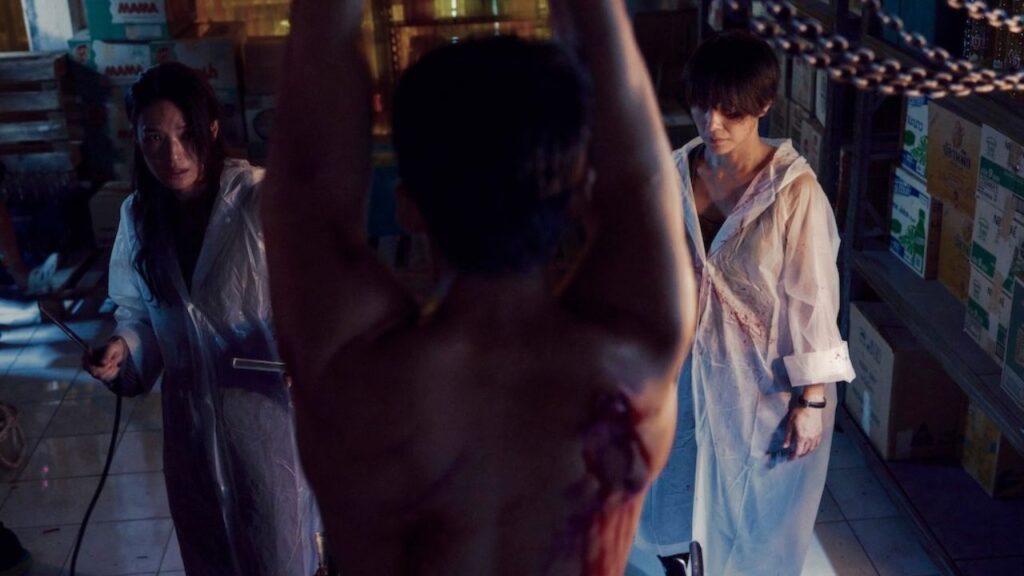
Episodes 8-9: Confronting Consequences and Final Judgment
- Episode 8: “Judgment Day” (59m): The penultimate episode builds considerable tension as Chao Ching and lawyer Huang I-chen (specially appearing Alyssa Chia) dig “into the San Ching-tai Foundation for more answers” . This investigation into what appears to be a larger organization indicates that Chang Shih-kai may have been merely one component of a more extensive criminal network. The “pressure building around the idea of a second ritual” suggests both the potential failure of their initial plan and their willingness to double down on supernatural solutions despite the established costs and risks. As one review notes, the mothers increasingly tell themselves “convenient lies… to justify how far they’re willing to go” .
- Episode 9: “Judgment Night” (55m): The series finale brings the narrative to its inevitable culmination as “the mothers near a breaking point” with Chao Ching pushing for “one last ritual” . The title directly echoes the first episode, creating a circular structure that emphasizes the inescapable nature of their moral predicament. As “tensions peak” and “the scam spirals” , the mothers must finally confront “the cost of revenge” in what promises to be an emotionally and philosophically charged conclusion. This final judgment extends beyond the criminal to the mothers themselves, ultimately exploring what one reviewer identified as the central theme: “the limits of justice and their own morality” .
Analysis of Themes and Execution
Character Development and Moral Complexity
“The Resurrected” excels in its nuanced portrayal of grief and vengeance, primarily through the exceptional performances of its lead actors. Shu Qi and Angelica Lee bring depth to characters that could have been reduced to simplistic avengers in lesser hands. The series carefully establishes their “sympathetic & imperfect” nature, ensuring the audience understands their motivations while recognizing their moral compromises. The show illustrates “how each of the women’s lives are different, yet inextricably altered by the trauma they’ve endured” , creating distinct character arcs that explore different responses to unimaginable loss.
The series particularly shines in exploring the psychological transformation of its protagonists. As one review notes, “Neither is presented as being entirely noble or flawless from the start” , which allows for compelling development as they descend further into their quest for vengeance. The “real meat” of the story lies in “the convenient lies Chao Ching and Hui-chun tell themselves to justify how far they’re willing to go” . This introspective quality elevates the series beyond a simple supernatural thriller to a sophisticated examination of how trauma can distort moral compasses and how the pursuit of justice can become indistinguishable from the thirst for revenge.
Final Verdict: Stream It or Skip It?
✅Stream It
After a thorough analysis of all nine episodes, The Resurrected comes with a strong recommendation to STREAM IT. This series represents a compelling addition to Netflix’s international catalog, particularly for viewers seeking a revenge narrative with substantial moral and emotional depth. The show successfully delivers what one review called “a unique, twisted take on the revenge drama” through its fusion of supernatural elements with “bleak, complex human drama” .
Fans of international thrillers and psychological dramas will find much to appreciate here. The Taiwanese setting offers a fresh perspective, while the universal themes of grief, justice, and morality resonate across cultural boundaries. The series is particularly recommended for viewers who prefer character-driven narratives over plot-heavy action, as its greatest strength lies in the “strong, grounded performances” of its lead actors and their portrayal of “complex human drama” .
We’ve shared our thoughts—now it’s your turn! Share your voice below
 Loading ...
FAQs
Q1: Is The Resurrected based on a true story?
A1: No, but its emotional realism and moral themes make it feel hauntingly authentic.
Q2: How many episodes are in The Resurrected?
A2: The series features nine gripping episodes blending crime, grief, and the supernatural.
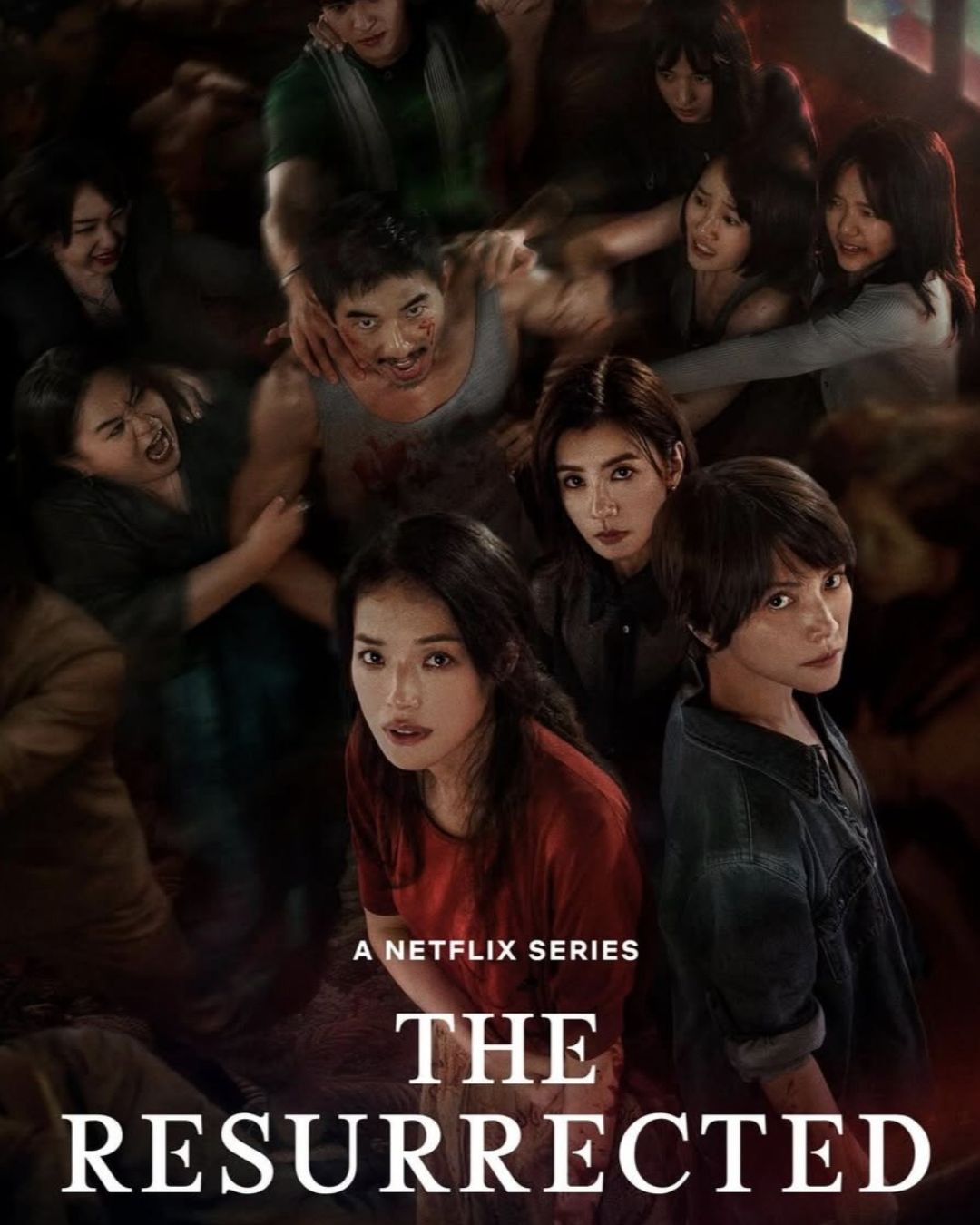
The Resurrected
Our Rating:⭐4/5
Network Netflix
Genres: TV Dramas, Taiwanese, TV Mysteries, Crime TV Shows, TV Thrillers, Chinese TV Shows
Release Date: October 9, 2025
Seasons: 1
Episodes: 9
Rate This Series
About The Author