
Néro the Assassin Review: Netflix’s Brutal New Historical Thriller – Stream or Skip?

Netflix’s latest historical action-drama, Néro the Assassin, takes viewers deep into 16th-century France with a gripping story of betrayal, blood, redemption, and fate. Starring Pio Marmaï as Néro, a deadly assassin haunted by his past, the series unfolds over eight intense episodes — each diving deeper into the brutal world he’s trying to escape and the daughter he must now protect.
Here’s a full episode-by-episode review and analysis to help you decide whether Néro the Assassin deserves a spot on your watchlist.
Episode 1 – “The Assassin” (48m)
The series opens with betrayal. Néro, once a loyal killer, is handed over to a mysterious witch by his ruthless master. This sets the stage for a tale driven by vengeance and redemption. The biggest emotional anchor appears immediately — Néro must reconnect with Perla, the daughter he abandoned at birth.
Analysis: A strong pilot with fast pacing, emotional stakes, and sharp world-building. The mix of violence and vulnerability hooks you right away.
Episode 2 – “The Witch” (48m)
The convoy begins its perilous journey to Ségur while assassins close in. Néro faces brutal decisions, including a morally grey choice that shocks the group.
Analysis: Themes of loyalty and sacrifice dominate. The chase intensifies, and we see Néro’s ruthlessness clashing with his buried humanity. The writing gets darker and more layered.
Episode 3 – “The Princess” (57m)
The group encounters the fanatical Penitents, escalating danger. Rochemort schemes to climb the prince’s ranks, while Néro starts showing disturbing symptoms — a hint at deeper supernatural ties.
Analysis: Political intrigue joins the narrative here, and the stakes rise. The pacing slows slightly but enriches the story with subplots and character motives.
Episode 4 – “The Inquisitor” (52m)

At Havreval, uneasy alliances form, and trust becomes fragile. A shocking reappearance pushes Rochemort into a violent decision, revealing the cost of ambition.
Analysis: A pivotal turning point. This episode explores betrayal, guilt, and survival, expanding the world beyond Néro’s personal story.
Episode 5 – “The Villain” (49m)
Néro confronts a ghost from his past, blurring the line between friend and foe. Rochemort faces damaging accusations, but the looming threat of the Penitents forces shifting loyalties.
Analysis: One of the best-written episodes. Backstories unfold, moral conflicts deepen, and the tension hits new heights. It’s where the show’s emotional weight lands hardest.
Related Stories
True Haunting: A Storm of Shadows and Skepticism – A Detailed Review Stream It or Skip It?

Steve (2025) Review: A Gritty, Exhausting Masterpiece of Human Vulnerability Stream or Skip It?

Episode 6 – “The Monk” (54m)

Hortense reveals a ruthless side with a new ally, while Néro hunts for Horace and an ailing Azel. The scarcity of water adds urgency and despair.
Analysis: Slower but crucial. This chapter focuses on survival and character development, showing Néro’s transformation from killer to protector.
Episode 7 – “The Archbishop” (46m)
Horace wields the Witch’s stone to breach the citadel. Perla confesses to the prince, while Néro lingers dangerously in the underworld despite warnings.
Analysis: A powerful build-up to the finale. The prophecy angle deepens, and political and mystical threads collide, setting the stage for a climactic finish.
Episode 8 – “The Girl” (48m)
Hiding in maze-like slums, Perla wrestles with her destiny. Néro forms a desperate plan to save her, leading to an emotional and explosive finale.
Analysis: The ending ties together betrayal, redemption, and sacrifice. It’s brutal yet hopeful — a satisfying close that stays true to the series’ themes.
Performances & Production — Deep Notes
- Pio Marmaï (Néro): A physical, controlled lead performance. He sells the character’s interior life mostly through expression and small gestures; he’s the show’s steady center.
- Perla (young actress): A surprising highlight — the show could have made her a cliché; instead she’s complex and credible.
- Supporting cast: Strong, especially in courthouse/noble scenes where moral hypocrisy is staged with quiet menace.
- Direction & Tone: Two directors split the season but maintain a single visual language: dusty, tactile, often dimly lit but occasionally brilliant in single scenes.
- Cinematography & Locations: The production uses real European sites to great effect — forts, coastal towns, and rustic interiors give historical texture. Locations were shot across southern France and nearby regions, which enrich the series’ realism.
Problems / Who might not like it
- Deliberate pacing: If you want constant plot churn and non-stop spectacle, the show can feel slow.
- Bleak tone: The series embraces moral ambiguity and a dour finish; it’s not popcorn escapism.
- Occasional thin subplots: A couple of political threads remain underexplored.
Strong points
- Character work: Father/daughter core sells the whole season.
- Production design & atmosphere: Feels lived-in and period-accurate.
- Balanced action: Violence has weight and consequences; it’s not glorified.
Final Verdict – Stream or Skip?
✅Stream It.
Néro the Assassin is a visually stunning, emotionally layered, and narratively ambitious series that blends historical action with dark fantasy. Its complex characters, gripping political drama, and father-daughter core make it more than just another assassin story. While pacing dips slightly mid-season, the payoff is worth it — especially for fans of The Witcher, Kingdom, or Vikings: Valhalla.
It’s a must-watch if you enjoy gritty period dramas with heart and mystery.
✅ Final Score: ★★★★☆ (4/5)
Verdict: STREAM IT
We’ve shared our thoughts—now it’s your turn! Share your voice below
 Loading ...
FAQs
Q1: What is Néro the Assassin about?
A: The series follows Néro, a betrayed assassin who must protect his long-lost daughter Perla while facing dark forces, enemies, and his own past.
Q2: How many episodes does Néro the Assassin have?
A: Season 1 has 8 episodes, each exploring betrayal, redemption, and destiny in a dangerous 16th-century world.
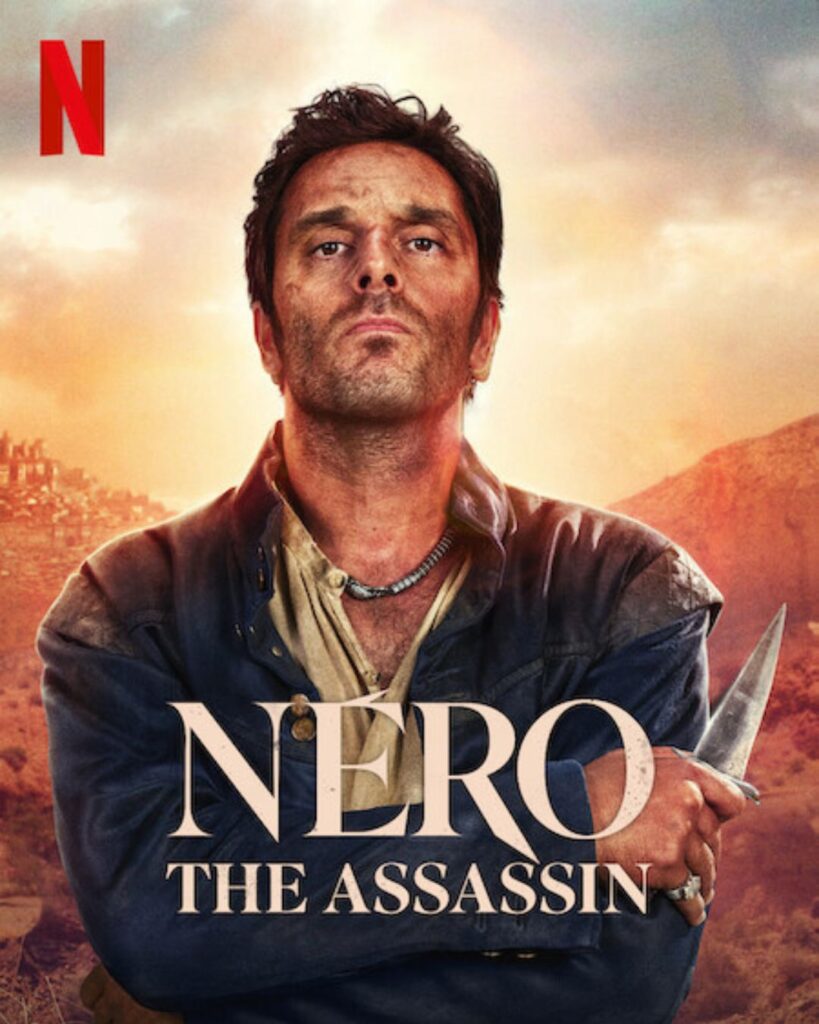
Néro the Assassin
Our Rating:⭐4/5
Network Netflix
Genres: French, TV Dramas, TV Action & Adventure, Period Pieces
Release Date: October 08, 2025
Seasons: 1
Episodes: 8
Rate This Series
About The Author