
How BoJack Horseman changed the conversation about mental health on TV
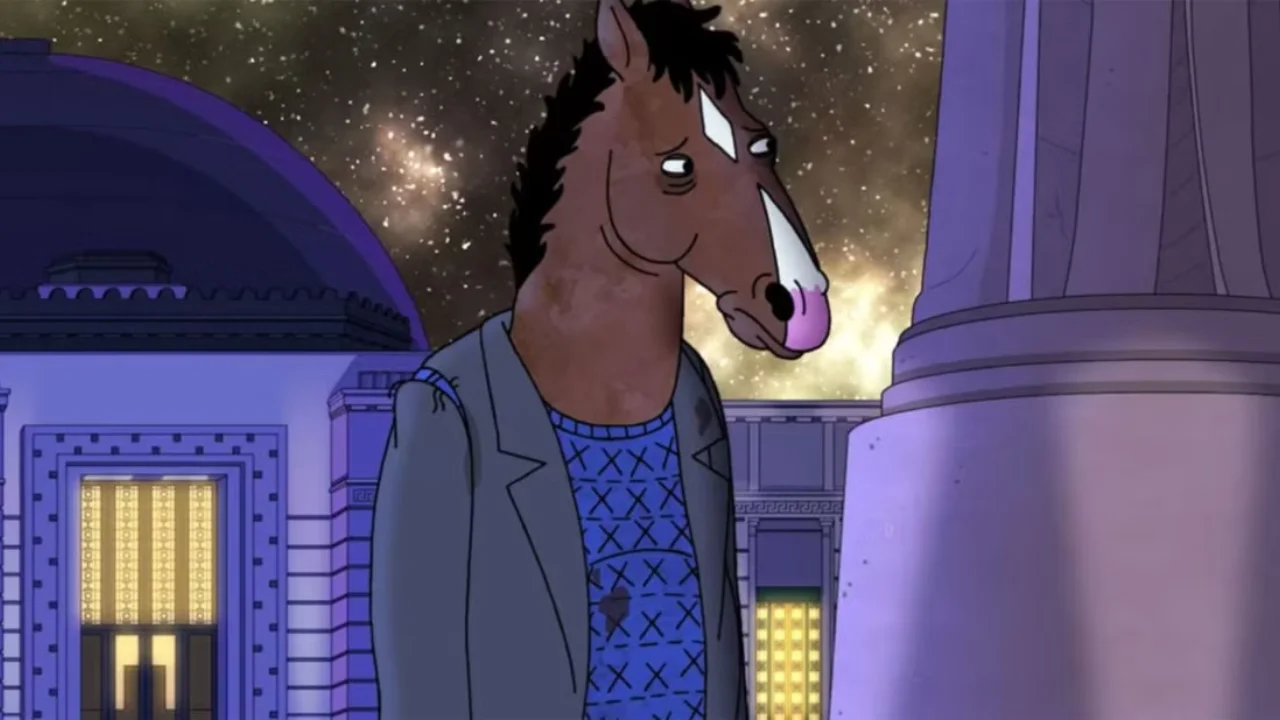
BoJack Horseman changed how TV shows talk about mental health. It showed depression and addiction in a real way. Many critics liked how it mixed sad and funny moments. The show had deep feelings and jokes together.
| Award / Recognition Type | Details / Significance |
|---|---|
| Critics’ Choice Television Awards | Won 4 times for Best Animated Series. The show talked about grown-up topics like mental health. |
| Annie Awards | Won 3 awards for great animation and storytelling. |
Unique Approach
Breaking Animated Norms
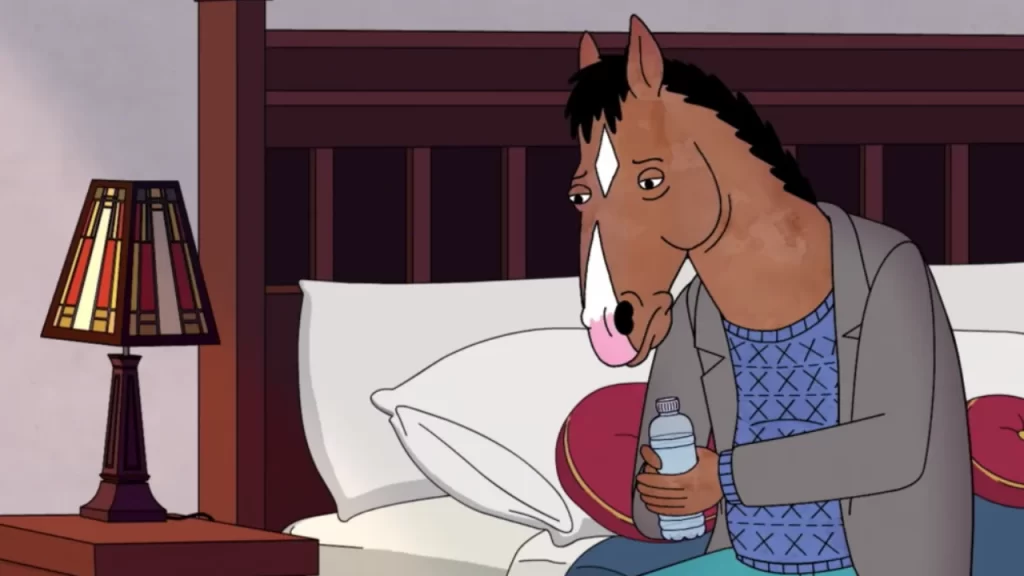
BoJack Horseman is different from other animated shows. It talks about serious topics using animal characters. The show does not avoid hard subjects like depression and addiction. It uses creative ways to make these problems feel real. In “Stupid Piece of Sh*t,” the animation looks messy to show BoJack’s wild thoughts. The show tries new things, like a quiet underwater episode and one with a long speech, to make feelings stronger.
- The show shows depression and trauma in a very honest way. BoJack is responsible for what he does.
- It looks at tough ideas like sexism, addiction, and fame. The show mixes dark jokes with jokes about itself.
- BoJack Horseman lets its characters change over time. Most cartoons do not do this.
- The show uses animation to show mental health problems. It uses strange pictures and dream-like scenes.
BoJack Horseman mixes dark jokes, deep feelings, and funny Hollywood jokes. This makes it special in animation.
Read Above Article : Meet the New Superman Cast and Find Out When You Can Watch at Home
Flawed Characters
The characters in the show have many problems. This makes their stories feel real. BoJack is a horse who acts like a person. He deals with depression, addiction, and a bad childhood. He often hurts people close to him. This shows that mental health problems can cause real harm. The show does not make these issues look easy or nice. It shows how hard and messy healing can be.
- BoJack ruins things for himself, like his bond with Hollyhock. This shows how mental illness can push people away.
- The show looks at pain from the past, especially with BoJack’s mean mother.
- Many characters have their own mental health struggles. This helps viewers feel the story and see real pain.
This honest look helps people understand trauma and mental illness. It sets a new example for animated shows.
Mental Health Themes
Depression and Addiction
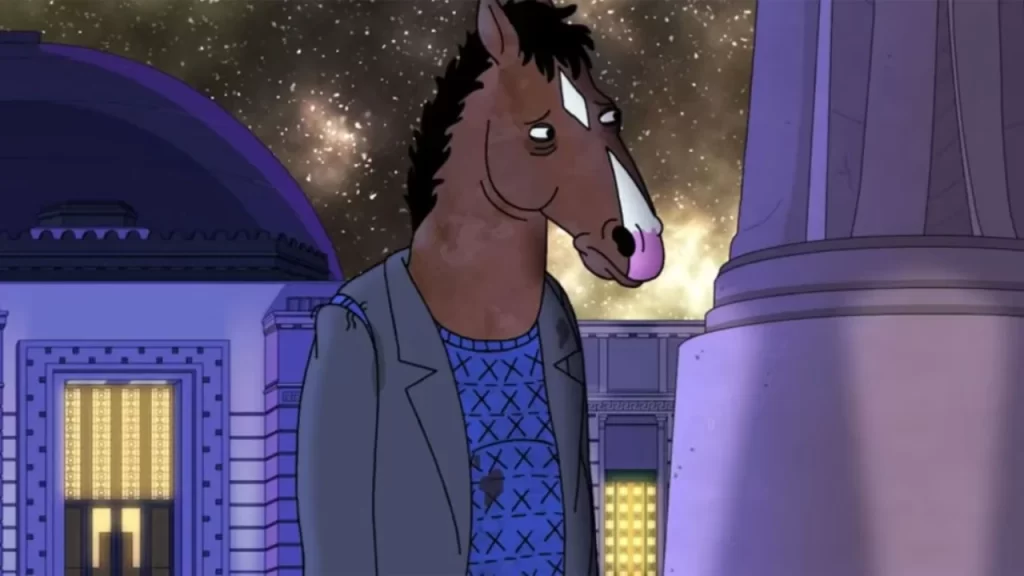
BoJack Horseman is known for showing depression and addiction honestly. The show does not say these problems are easy to fix. It shows how depression can make life feel very hard. Even small things can seem impossible to do. BoJack, the main character, often feels like he is not good enough. He pushes away people who care about him. He has trouble believing he should be happy or loved. Many viewers think this feels real because it matches what people with depression go through.
The show also looks at addiction in a real way. BoJack’s problems with alcohol and drugs do not go away fast. He keeps going through ups and downs. The show shows that addiction can come from pain and trauma. It is not just about making bad choices. In episodes like “Stupid Piece of Sh*t,” we hear BoJack’s mean thoughts about himself. This helps us see how much he struggles with self-hate. Mental health experts like the show because it helps people understand addiction better.
- Characters are more than their mental health problems. Each one has their own story and personality.
- The show looks at different mental health issues, like Diane’s cynicism and Princess Carolyn’s workaholism.
- Getting better is shown as a long and hard road. BoJack does not get fully better, but he tries to improve.
BoJack Horseman uses animation to help people talk about tough topics. The creators worked hard to make the stories feel real and easy to relate to.
Trauma and Consequences
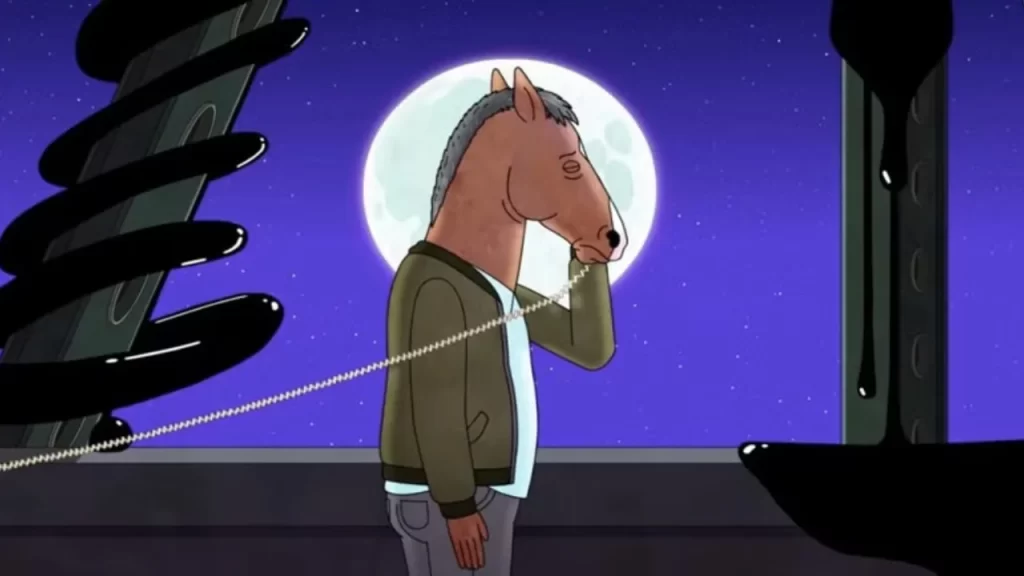
Trauma affects many characters in BoJack Horseman. The show shows how bad things from childhood can hurt people for a long time. BoJack’s parents were mean to him, which led to his problems with addiction and friends. Diane Nguyen also has depression and anxiety because her family treated her badly. These stories show that trauma can leave deep scars that do not heal fast.
The show does not hide how trauma can last a long time. For example, BoJack’s actions hurt people like Sarah Lynn and Gina. Sarah Lynn’s addiction and sad ending show how early fame and no support can ruin a life. Gina’s job gets worse after something bad happens with BoJack. This shows how trauma can change someone’s future.
- BoJack’s pain as a kid leads to bad choices and lost friends.
- Diane’s family problems make it hard for her to be happy.
- The show shows different ways people deal with trauma, like getting angry or forgiving.
Experts and researchers agree with how the show talks about mental health. They say BoJack Horseman shows mental illness as something people really live with, not just a story idea. The creators’ own mental health stories make the show feel more real. Young viewers see the show as a true look at real problems. The series uses real ideas from psychology and philosophy to help people understand trauma.
The show’s honest stories help people see that healing from trauma takes time and help from others. It teaches us to care about people with mental health struggles.
bojack horseman and Storytelling
Nonlinear Narratives
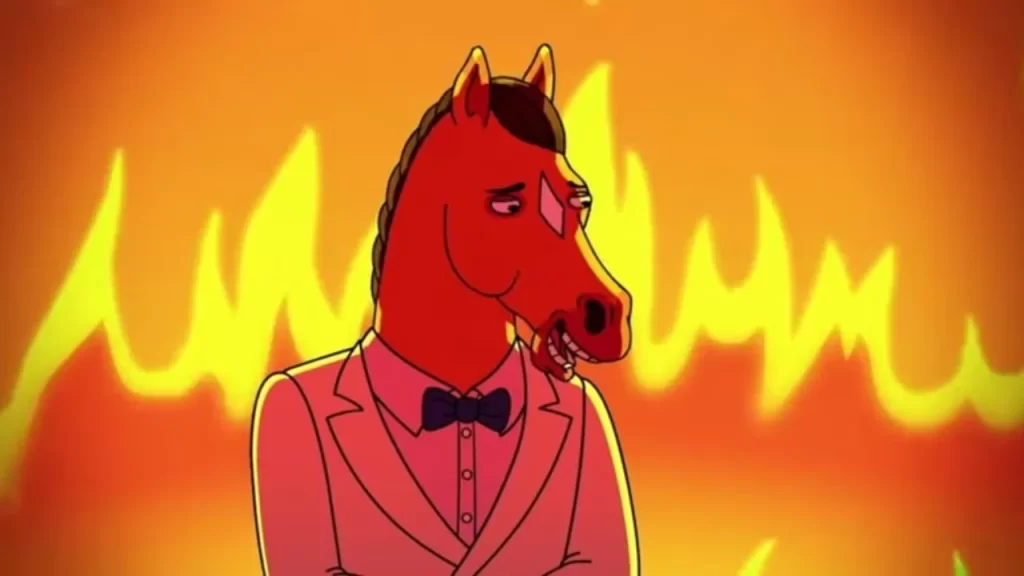
BoJack Horseman tells stories in a way that feels real. The show does not go from problem to solution in a straight line. Recovery can go forward, but sometimes it goes backward too. BoJack’s journey has many setbacks and relapses. He also has times when he doubts himself. This is like how mental health works in real life.
- The show uses dream scenes and flashbacks to show BoJack’s mixed-up mind.
- Scenes from the past show how trauma can happen again and again.
- BoJack faces what he has done in dream-like places. This shows that self-awareness and taking responsibility are hard.
- The story also looks at how BoJack’s mom’s trauma affects him. This makes the story deeper.
The animation changes to match how BoJack feels inside. Colors and shapes change to show when he feels alone or confused. Therapy and medicine are shown as part of a long process. This way of telling the story helps viewers see that healing takes time.
Humor and Darkness
The show mixes funny and sad moments to tell its story. Comedy and sadness are both there together. In “Stupid Piece of Sh*t,” BoJack’s mean inner voice is mixed with silly side stories. In “Free Churro,” a sad speech has jokes in it. This shows how people use humor to deal with pain.
This mix makes the characters feel real. They can laugh and feel hurt at the same time. The show uses animation and smart writing to talk about tough topics. By mixing jokes with serious moments, BoJack Horseman shows that humor can help people with hard feelings.
Cultural Impact
Critical Reception
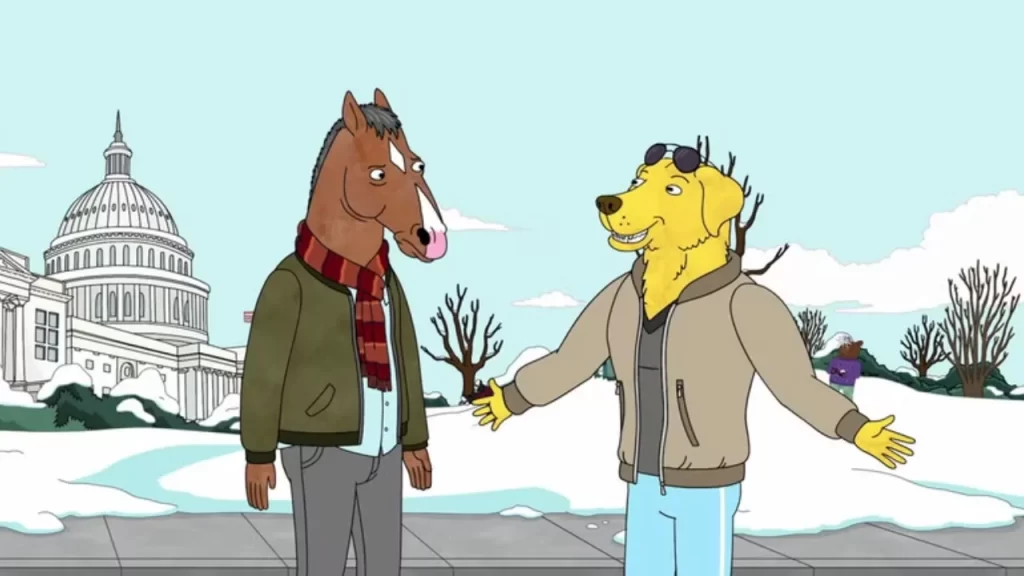
Critics had strong feelings about BoJack Horseman’s look at mental health. Many liked how the show showed depression, addiction, and trauma in a real way. Reviewers from big magazines like Time and The Guardian said the show used jokes and deep feelings to talk about hard things. The voice acting, mostly by Will Arnett, made BoJack’s problems feel real and easy to understand. Courtney Enlow from Bustle said it was important to show characters with mental health struggles in a true way, even in a funny show. Some people did not like how therapy was shown, especially in Season 5, Episode 7, when the therapist made mistakes. These parts made people worry about how therapy looks on TV. Still, most critics thought BoJack Horseman made mental illness less shameful and helped people talk about their own problems.
The show mixes jokes and real feelings. This set a new level for animated shows about mental health.
Influence on TV
BoJack Horseman changed how TV talks about mental health. The show did not treat mental illness as a quick fix. It showed depression and addiction as problems that last a long time. This made other shows talk about mental health as a big part of life. Shows like Lady Dynamite and Crazy Ex-Girlfriend did the same, telling more about getting better and growing. Online groups and social media also felt the change. Fans shared how the show helped them know their feelings and find help. Writers like Jonny Sun used their own stories to connect with fans and help people talk. Now, more TV shows use honest stories to show that mental health matters and needs care.
- BoJack Horseman’s real characters and stories gave ideas to other creators.
- The show helped end shame and started new talks about mental health in pop culture.
BoJack Horseman changed how people see mental health on TV. It showed real problems and what happens because of them. Many mental health advocates like the show’s honest stories. These stories help people feel less ashamed. Experts want future shows to tell true and fair stories. Media can help people care or make wrong ideas stronger. So, creators should keep trying to show mental health in a better way.
FAQ
What makes BoJack Horseman different from other animated shows?
BoJack Horseman has animal characters who deal with real mental health problems. The show mixes funny moments with serious ones. This makes it stand out from other cartoons.
How does BoJack Horseman help viewers understand mental health?
- The show shows depression and addiction in a true way.
- Characters have to deal with what happens because of their actions.
- Viewers learn that getting better takes time and help from others.
Can BoJack Horseman be helpful for people struggling with mental health?
🧠 Many people who watch the show feel like someone understands them. The true stories make people want to talk about their own problems and get support.
About The Author