Sex, Plague & Punchlines: How The Decameron Redefines Medieval Drama
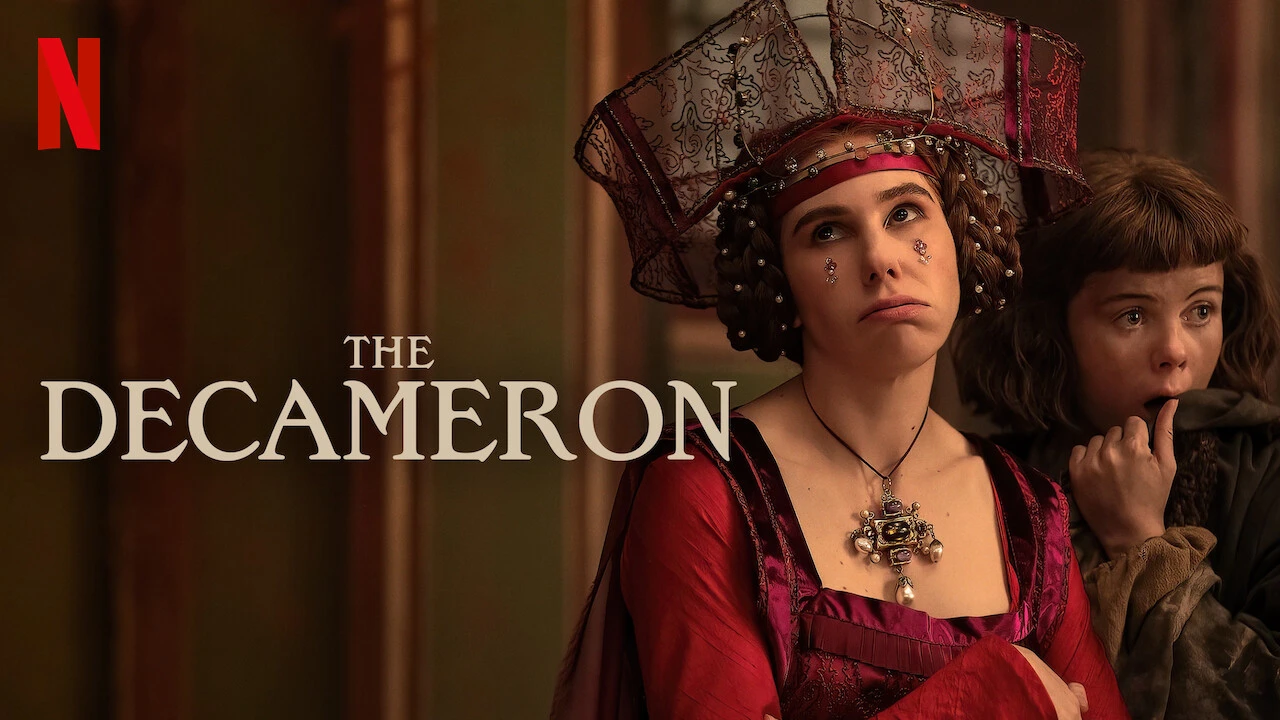
Did anyone expect a Black Death TV show to feel like daytime soap with less charm? I dove into The Decameron, expecting wild medieval drama and got, well, this:
- Critics call the tone heavy-handed and depressing.
- Audiences felt no spark—emotional or comedic.
- The writing and costumes missed the mark.
| Series | Viewership (CVE) | Notes |
|---|---|---|
| The Decameron | Flopped hard | Low impact |
| Vikings: Valhalla S3 | 13.4 million | Much higher |
| Dirty Pop: Boy Band Scam | 5.6 million | Outperformed Decameron |
I laughed, I cringed, I wondered: is this the bold new face of medieval drama, or just a plague of bad TV?
Premise & Tone
Setting
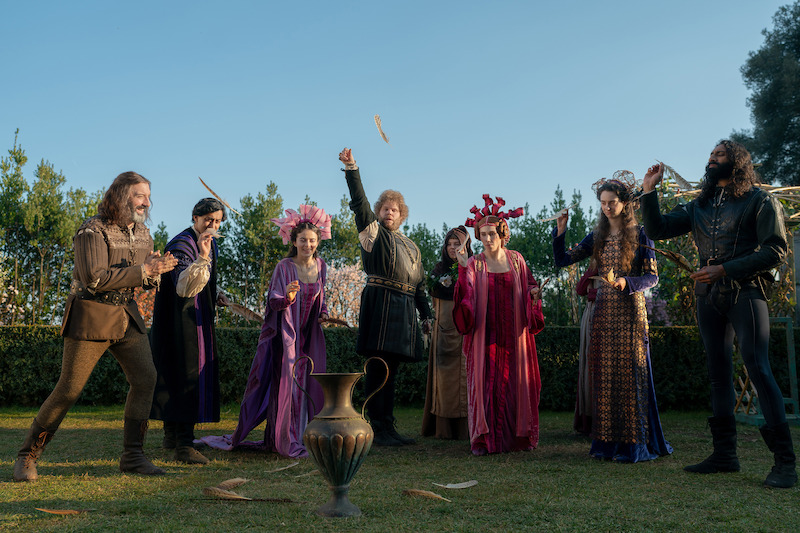
Picture this: Florence, 1348. The Black Death sweeps through the city like a medieval horror movie, only with less CGI and more real terror. I watched as the decameron’s cast—nobles and servants alike—packed their bags and ran for the hills. They didn’t just want to escape the plague; they wanted to dodge death itself. This villa escape isn’t just a wild Netflix idea. Boccaccio wrote about it centuries ago. Groups really did flee to country estates, hoping fresh air and distance would save them. The show gets the details right, from the fear of black blotches to the desperate need for distraction. I could almost smell the herbs stuffed in those plague masks.
Honestly, I started this show on a lazy Saturday night thinking I’d watch one episode before bed. Three hours later, I was still glued to the screen, half-laughing, half-wincing.
Humor & Satire
Now, let’s talk about the laughs—or the attempts at them. The Decameron tries to turn disaster into a dark humor series. I saw jokes about death, sex, and social climbing fly faster than a medieval arrow. Sometimes, the punchlines landed. Other times, I cringed so hard I nearly pulled a muscle. The show mixes tragedy and farce, making me wonder if I should laugh, cry, or just pour another glass of wine. The irreverent tone surprised me. One minute, a character mourns a lost lover. The next, someone’s pants are down in the garden. It’s a wild ride, and not your average medieval drama. If you want a period comedy that dares to poke fun at the plague, this Netflix 2024 series delivers—awkwardly, but with guts.
Decameron Adaptation
Source Material
When I first heard about the Decameron Netflix series, I pictured ten people swapping wild stories while the Black Death raged outside. That’s what Boccaccio gave us—a hundred tales, ten days, and a whole lot of drama. The show? It tosses most of that out the window. Instead of a storytelling marathon, I watched a smaller group—five nobles and five servants—holed up in a country villa. They barely tell stories at all. The famous storytelling contest? It pops up in episode three, then vanishes. The finale sneaks in one original tale, but that’s it. The plague isn’t just a backdrop here. It’s the main event, shaping every awkward dinner and scandalous hookup. The show ditches the book’s structure and goes for a historical mashup, with modern music and dialogue that would make Boccaccio spit out his wine.
Fun Fact: The original Decameron used the plague as an excuse for storytelling. The Netflix version uses it as an excuse for chaos.
- The book: 10 storytellers, 100 stories, daily themes.
- The show: 10 characters, lots of drama, barely any stories.
ALSO READ : Avatar Movie Trailer Just Dropped – And It’s WILDER Than Expected!
Modern Spin
The Decameron adaptation doesn’t just update the setting—it throws in everything but the kitchen sink. I spotted modern slang, pop songs, and a cast that actually looks like the real world. The show leans into humor, romance, and class struggles, mixing sex and scandal in history with a wink. Characters use jokes to survive the horror, which feels weirdly true to life. Critics and fans seem split. Some love the bold mix of medieval drama and modern attitude. Others think it’s too much. I found myself laughing at the wild anachronisms and rooting for the diverse cast. The show doesn’t care about being faithful. It wants to entertain, shock, and maybe even make you think about how people cope when the world falls apart.
Characters & Cast
Nobles & Servants
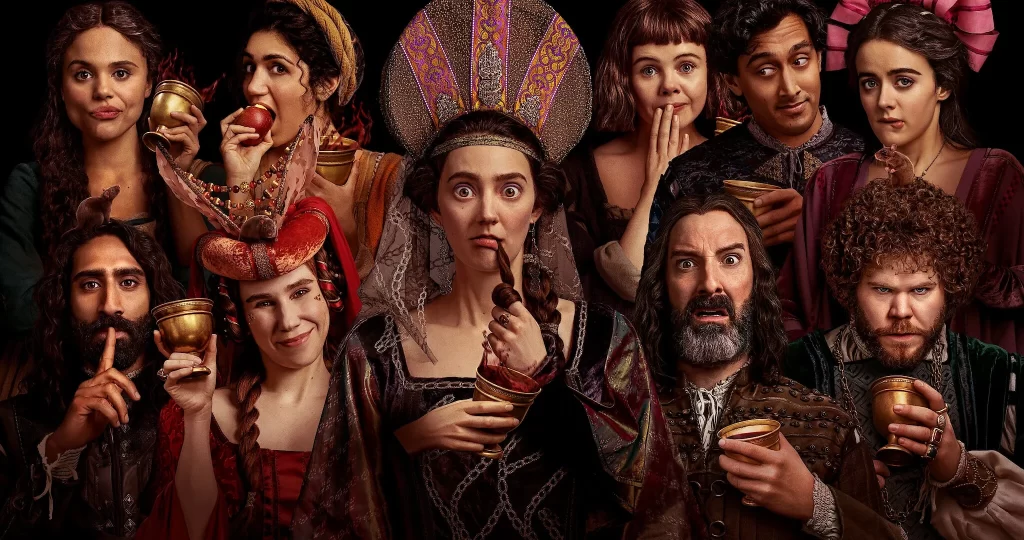
When I watched The Decameron Netflix series, I saw two worlds crash together—nobles and servants, trapped in one villa, dodging the Black Death. The show doesn’t just hint at class struggle; it throws it in your face. Here’s what I noticed:
- Masters and servants depend on each other for survival. The nobles need help to keep their silk robes clean. The servants need the nobles for food and shelter.
- Power shifts faster than a plague rumor. One day, a noblewoman bosses everyone around. The next, a servant holds the keys to the wine cellar.
- The villa becomes a pressure cooker. Old rules break down. People fight over who owns what, who gets the best bed, and who actually runs the show.
Historians say the real Black Death turned Florence upside down. Noblewomen accepted help from male servants—something that never happened before. The Decameron nails this chaos. I saw empathy grow between characters who would never have spoken in the city. Suddenly, everyone’s just trying to survive.
Note: The Decameron cast includes both classic characters from Boccaccio’s tales and new faces, all thrown together by disaster.
Performances
The Decameron cast brings this medieval Italy TV show to life. Zosia Mamet stands out as the sharp-tongued noble. Tony Hale delivers laughs as a scheming servant. The chemistry? Electric. Every scene feels like a tug-of-war between drama and dark humor.
Inclusivity surprised me. The show features queer characters and relationships, more than I expected from a period comedy. It doesn’t just check boxes—it makes these stories central. Compared to other medieval dramas, The Decameron feels fresh, bold, and a little bit scandalous. I couldn’t look away.
Themes
Class Conflict
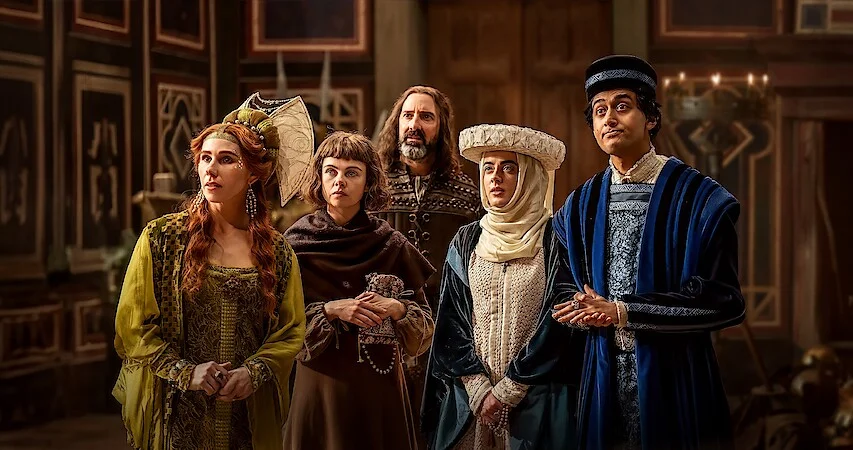
I watched The Decameron and saw class war break out faster than the plague itself. Nobles strutted around in silk, servants hustled for scraps, and everyone wanted to be in charge. The villa felt like a pressure cooker. One day, a servant poured wine for a noble. The next, that same servant called the shots. The show made me laugh at the chaos, but it also made me think. Who really holds power when death knocks at the door? The lines between rich and poor blurred, and I loved watching the old rules crumble.
Pandemic Parallels
The Decameron hit me with some serious déjà vu. I remembered lockdowns, empty streets, and neighbors waving from windows. Critics pointed out how the show mirrors our own pandemic. People in 14th-century Florence avoided each other, just like we did. Bodies waited for collection, and mourning rituals broke down. The characters escaped to the countryside, desperate for connection and safety. I saw them cling to stories and laughter, trying to rebuild community. The show’s questions about compassion and which bonds matter most felt just as urgent now as they did back then.
Hedonism
Luxury and death danced together in every episode. The Decameron’s characters threw wild parties, chased pleasure, and ignored the doom outside. I watched them flirt, feast, and fight, all while the world collapsed. The show balanced dark humor with real fear. Hedonism became a way to survive, not just a joke. I found myself rooting for their joy, even as the plague crept closer. The mix of irreverence and depth kept me hooked, never letting me forget that laughter and loss often go hand in hand.
ALSO READ : Is The Hunting Wives on Netflix Truly Worth Watching in 2025
Strengths & Weaknesses
Highlights
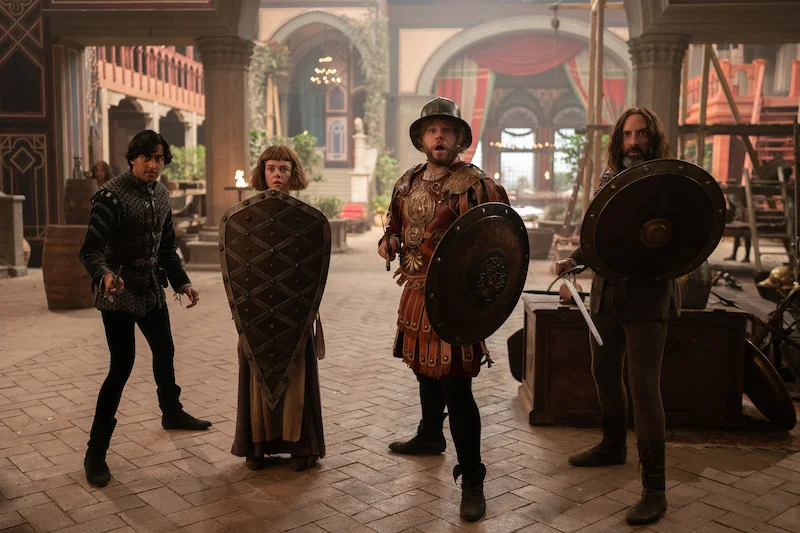
Let me start with what The Decameron actually gets right. This show bursts onto the screen with a style that refuses to blend in. The costumes pop with color, the sets look lush, and every scene feels like a painting that just got splashed with wine. I loved how the camera swoops through the villa, catching every awkward glance and secret tryst. The Decameron Netflix series doesn’t shy away from showing the wild side of medieval life. It throws sex, scandal, and dark humor at the viewer like confetti at a doomed wedding.
The cast deserves a standing ovation. Zosia Mamet and Tony Hale lead a group that knows how to deliver a punchline and a dramatic gasp in the same breath. Their chemistry crackles. I found myself rooting for characters I should probably hate. The show’s inclusivity also stands out. Queer characters and diverse faces fill the villa, making this medieval drama feel fresh and real. The Decameron doesn’t just retell old stories—it gives them a modern twist, mixing historical satire with jokes that land (at least sometimes).
Some critics and viewers actually praise the show for blending humor, romance, and drama while tackling big themes like love, morality, and survival. I noticed moments where the comedy made me think about deeper issues, even if I was laughing at the chaos. The Decameron cast brings energy and heart, and the show’s best scenes sparkle with wit and surprise.
Tip: If you want a period comedy that looks gorgeous and isn’t afraid to get weird, this one delivers.
Flaws
Now, let’s talk about the messier side. I won’t sugarcoat it—the Decameron stumbles more than a drunk noble at a plague party. The plot often wanders in circles. I kept waiting for a big story to grab me, but the show just kept tossing out new scandals and then forgetting about them. Critics say the writing feels repetitive and the humor falls flat. I have to agree. Some jokes made me groan instead of laugh. The show tries to balance dark humor and drama, but sometimes it just feels confused.
Pacing drags in the middle. I found myself checking my phone during long scenes where nothing much happened. The show loves to shock, but it rarely slows down to let real emotion sink in. Critics point out that The Decameron lacks a coherent plot and meaningful depth. They call it tedious and poorly written, with little soul or sentiment. I wanted to care about the characters, but the show kept me at arm’s length.
Historical accuracy? Forget it. The Decameron takes wild liberties with the past. Modern slang and pop songs crash into 14th-century Florence like a time traveler with no map. Sometimes this works as clever satire, but other times it just feels lazy. The show’s overindulgence in sex and scandal can get old fast. I craved more nuance and less noise.
Audience reviews suggest most people watch The Decameron for light, escapist fun. They enjoy the humor and drama, but nobody calls it deep or life-changing. The series entertains, but it rarely moves or challenges the viewer. I finished the season feeling amused, but not transformed.
Note: If you want a show with real depth or a tight story, you might want to look elsewhere.
Decameron’s Place in TV
Genre Impact
When I think of funny history shows, I remember The Great. That show is sharp and full of royal drama. The Decameron joins this group with its own wild style. It mixes medieval drama, dark jokes, and soap opera fun. I saw nobles and servants trying to avoid the Black Death. They made jokes and caused scandals everywhere. This is not a boring old history show.
- The Decameron uses a 14th-century setting but tells stories in a modern way. I heard pop songs and slang in a villa from plague times.
- Kathleen Jordan and Jenji Kohan are the creators. They give the show a new and bold feeling. They do not just copy Boccaccio’s stories. They change them into something different and exciting.
- The show mixes dark humor and drama. This makes it stand out from other Netflix shows in 2024.
I have not seen another medieval Italy show that feels this strange and lively. The Decameron changes what a period comedy can be. It mixes sex, scandal, and survival with a playful attitude.
Worth Watching?
Should you watch The Decameron? If you want a show that takes chances and breaks old rules, this is for you. I laughed at the wild parts and felt awkward at some scenes. Sometimes, I even thought about big life questions. The cast is full of energy and heart. Every episode is a surprise.
If you want a fun escape with some history jokes, try this show. If you want something deep and serious, you may want to skip it. No matter what, this Black Death TV show is very different from anything else on Netflix now.
The decameron swings for the fences with wild humor, bold characters, and a fresh take on medieval drama. I laughed, I cringed, I questioned my life choices. Is this the future of historical TV? Maybe. Grab some wine, press play, and decide if chaos is your cup of plague-era tea.
ALSO READ: Happy Gilmore 2 release date and everything fans need to know
FAQ
Is The Decameron Netflix series historically accurate?
Not really! I heard pop songs and saw modern slang. The costumes look nothing like real 14th-century clothes. A real Florentine from back then would be shocked. This show is meant to be funny, not to teach history.
Can I watch The Decameron with my family?
I would not try it. The Decameron cast likes to show sex and scandal. There are lots of dark jokes too. Grandma might spill her tea. This comedy is made for adults.
Does The Decameron actually adapt Boccaccio’s stories?
Not much! The show skips most of the plague stories. It feels more like a soap opera than Boccaccio’s book. If you want the real stories, you should read the book.
About The Author