The Monster of Florence Review: A Descent into Italy’s True-Crime Labyrinth Stream It or Skip It?
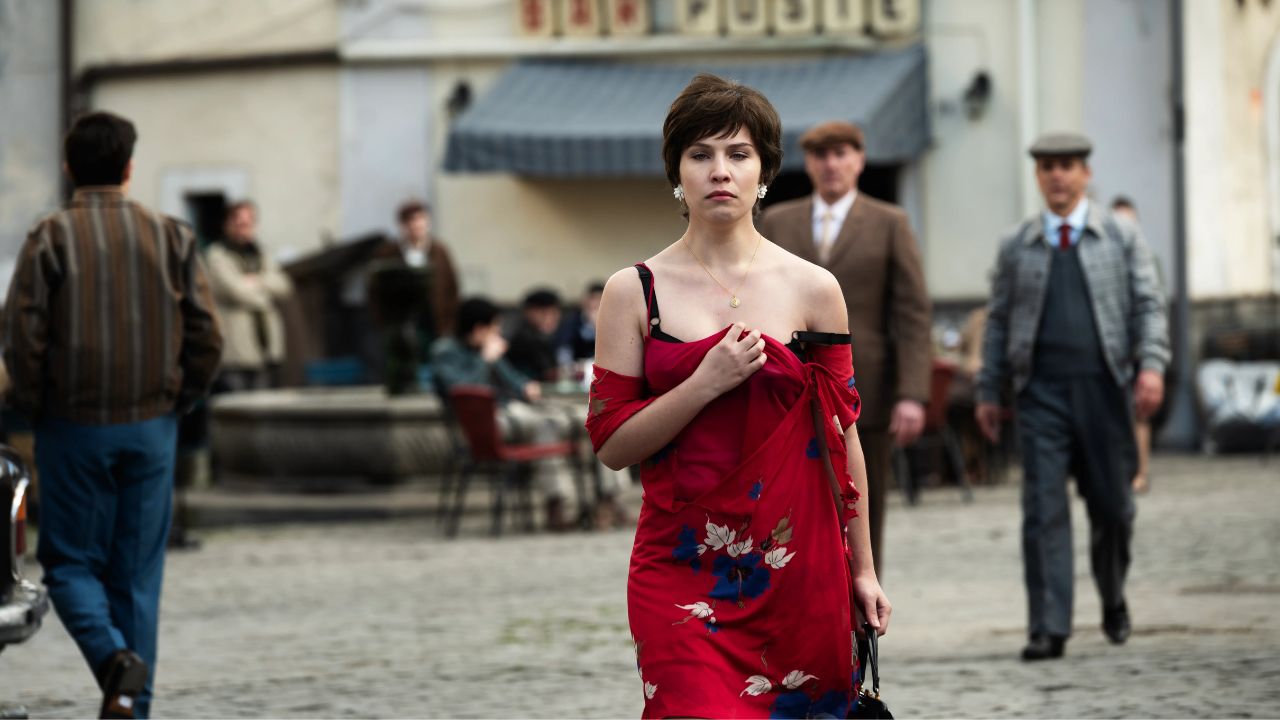
Can you solve a crime when every witness is an unreliable narrator? Netflix’s chilling new series explores Italy’s most infamous unsolved murders through a kaleidoscope of lies, secrets, and shifting perspectives.
In the crowded landscape of true-crime television, Netflix’s The Monster of Florence emerges as a standout masterpiece of psychological tension and narrative innovation. This four-part Italian limited series, released on October 22, 2025, delves into the brutal unsolved murders that terrorized the Florentine countryside for nearly two decades. Unlike conventional crime dramas that offer clean resolutions, this series immerses you in the murky waters of memory and deception, forcing you to question every testimony and piece of evidence. It’s a series that understands the true horror isn’t just in the grisly acts themselves, but in the elusive nature of truth and the dark capabilities of ordinary people .
The Plot: A Narrative Built on Shifting Sand
The series dramatizes the investigation into a string of eight double homicides that occurred between 1968 and 1985, where young couples were targeted and murdered in secluded lovers’ lanes around Florence . The killer’s signature was a .22 caliber Beretta pistol, and the crimes were marked by a specific, horrifying ritual: the male victim was killed first, followed by the female victim, who was often sexually mutilated with a knife after being shot .
The narrative begins not with the first murder, but in media res with the fifth killing in 1982 . As pressure mounts on investigators, assistant prosecutor Silvia Della Monica has a breakthrough: she discovers a connection to a 1968 double murder for which a man named Stefano Mele was already imprisoned . The series then pivots to focus on this earlier crime and the complex web of relationships surrounding the victims, Barbara Locci and Antonio Lo Bianco .
The central premise revolves around the “Sardinian trail,” an early investigative line focusing on the Vinci brothers, Sardinian acquaintances of Stefano Mele who were known for their violent tendencies and involvement in a seedy underworld of pimping and swinging . The series uses a revolutionary narrative structure where each of the four episodes is told from the point of view of a different suspect—including Stefano Mele and the Vinci brothers . Key scenes are repeated across episodes, but with new context and details that completely change your understanding of events, making everyone an unreliable narrator .
Character Deep Dive: The Players in a Human Tragedy
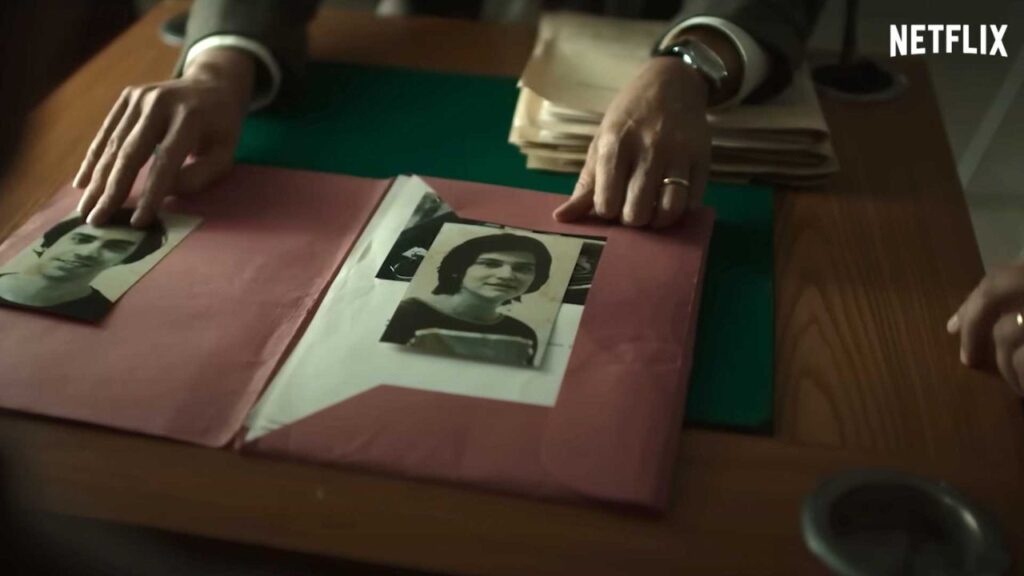
- Stefano Mele (Marco Bullitta): Portrayed as a man “broken by life,” Mele is released from prison and placed in a halfway house . His initial confession is thrown into doubt as the series progresses, and his haunted demeanor makes him a figure of both suspicion and pity. His evolving testimony, which produces new details about the 1968 murder, becomes the engine for the entire investigation .
- Barbara Locci (Francesca Olia): The standout performance of the series, Olia’s Barbara is a “woman stripped of agency yet remains unbowed” . We first see her in a powerful, symbolic image: escaping across a sun-scorched field, her wedding veil streaming behind her . Her character is a tragic victim of her social circumstances, a vibrant woman trapped in a web of “fluid and abusive” relationships, and her choices have devastating consequences for her family .
- Salvatore Vinci (Valentino Mannias): Described as a “sexually-charged, misogynist creep,” Salvatore is the roommate from hell . His presence injects the series with a palpable sense of discomfort and danger. The dynamic between Stefano, Barbara, and Salvatore in their shared home is a “convincing study in the desperate and depraved,” reminiscent of the chilling atmosphere in Henry: Portrait of a Serial Killer .
Related Stories
27 Nights Review: A Bold Clash Between Freedom and Family — Stream or Skip It?
She Walks in Darkness Netflix Review: A Haunting Spy Thriller That Redefines Loyalty and Lies
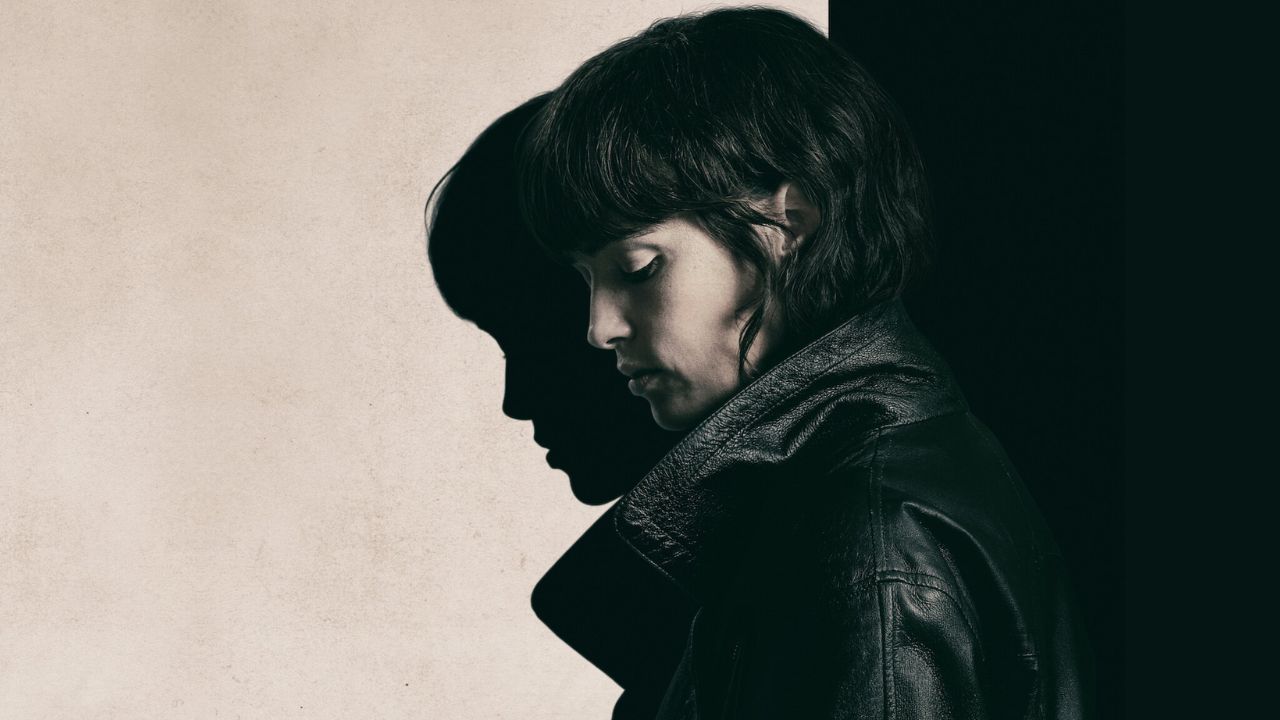
Key Scenes and Dialogues: The Heart of the Mystery
While avoiding major spoilers, several pivotal moments define the series’ emotional and narrative core:
- The Blade Runner Homage: In a strangely poignant yet unsettling scene, a young couple, just before falling victim to the killer, enact the famous “Tears in Rain” scene from Blade Runner . This moment of cultural connection between the doomed lovers is undercut by the viewer’s knowledge of their fate, creating a deeply tragic contrast between human intimacy and impending violence.
- The Recurring Testimonies: The series’ most innovative technique is the repetition of scenes from different character perspectives . A conversation or event shown in one episode might be replayed in the next with crucial new information, forcing you to actively question who is lying, who is remembering selectively, and what really happened. This directly mirrors the real-life investigation, which was a “seductive and ever more abstract ballet of hypotheses” .
- The Thematic Anchor: The series grapples with a profound question about the nature of evil, echoing a quote from Douglas Preston’s book on the case: “You cannot stare evil in the face; it has no face. It has no body, no bones, no blood. Any attempt to describe it ends in glibness and self-delusion” . This theme is brought to life through the show’s refusal to point to a single, simple “monster.”
Content Advisory: Addressing the “Sex Scenes” Question
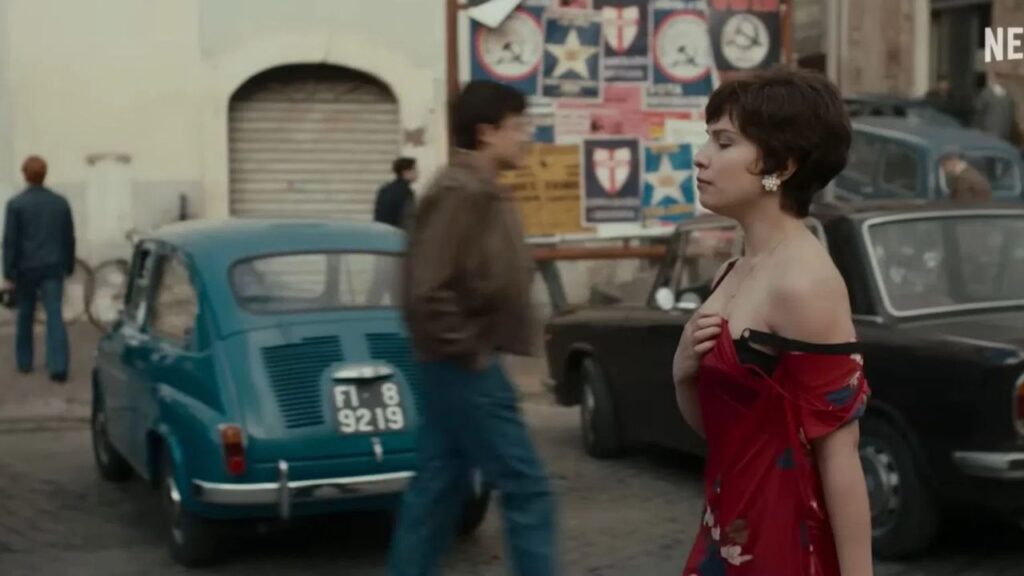
For viewers concerned about sexual content, The Monster of Florence deals with mature and disturbing themes, but its approach is more psychological and suggestive than explicit.
- Sexual Themes and Context: The series is steeped in sexual tension and context. The murders specifically target couples in moments of intimacy, and the plot involves themes of pimping, swinging, and complex sexual relationships . The real-life case is described as being “filled with intrigue and sex,” and this is a central element of the show’s atmosphere .
- Violence and Gore: This is where the series earns its mature rating. The crimes are depicted with visceral terror . The show does not shy away from the grim reality of the murders, including the post-mortem mutilations of the female victims . The violence is not gratuitous but is used to underscore the horrific nature of the crimes and the psychological impact on the community.
- Overall Tone: The series is described as “unrelenting gloom” and “fittingly disturbing” . It is a dark, intense viewing experience that prioritizes psychological dread over sensationalism.
<!
What Makes This Series Special: A Lesson in Ambiguity
The Monster of Florence excels not by providing answers, but by masterfully illustrating the chaos of an investigation where answers may not exist. Its greatest strength is its courage to remain ambiguous, mirroring the frustrating reality of the unsolved case . The non-linear narrative, while occasionally confusing, is a bold creative choice that places you directly in the shoes of the detectives, sifting through conflicting stories and dead ends .
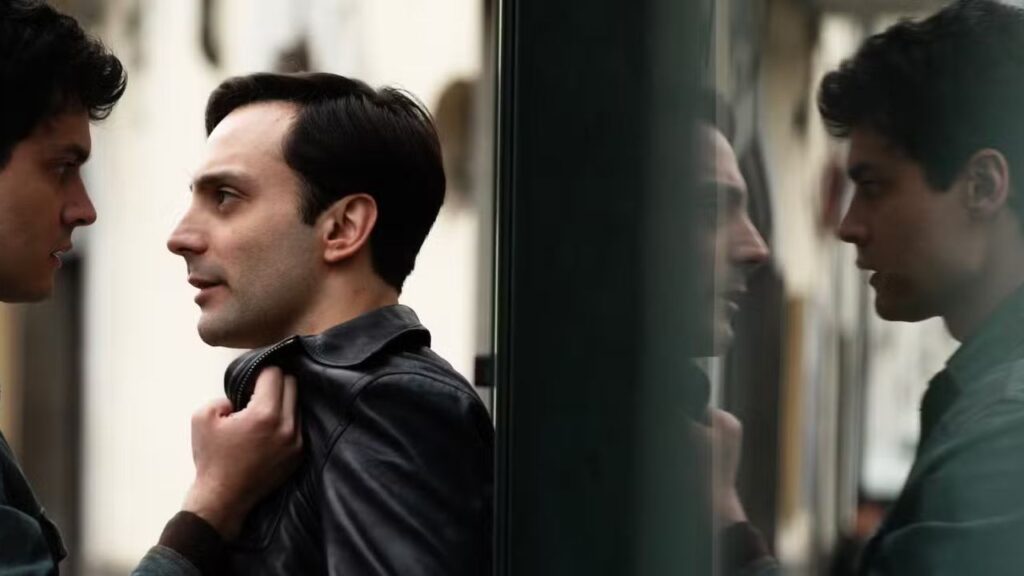
The technical craft is also top-tier, with the cinematography and production design creating a richly immersive and period-accurate atmosphere that is “beautiful to look at” despite the grim subject matter, earning favorable comparisons to David Fincher’s Zodiac .
The Final Verdict: Stream It or Skip It?
STREAM IT if…:
- You appreciate complex, character-driven crime dramas that prioritize mood and psychology over action.
- You enjoy non-linear storytelling and don’t mind an ambiguous, unresolved ending.
- You are a fan of international true crime and are interested in a deep dive into a famous Italian case.
- You value superb acting and atmospheric direction over a neatly wrapped-up plot.
SKIP IT if…:
- You require a satisfying, conclusive ending to your crime stories.
- You are sensitive to graphic depictions of violence and sexual violence, even if not explicitly shown.
- You prefer fast-paced, action-oriented thrillers with clear heroes and villains.
- You find non-linear narratives and multiple perspectives to be frustrating or confusing.
We’ve shared our thoughts—now it’s your turn! Share your voice below
 Loading ...
The Bottom Line
“The Monster of Florence” is a challenging, intelligent, and haunting piece of television. It is a vastly superior and more thematically responsible project than many exploitative true-crime series . While its ambitious narrative structure may not satisfy viewers seeking closure, it is a must-watch for true-crime aficionados looking for a sophisticated and unsettling exploration of one of history’s most enigmatic serial killer cases. It is a series that understands that sometimes, the most terrifying monster is not the one with a face, but the one that remains a shadowy question mark .
I hope this deep-dive review helps you decide whether to venture into the dark countryside of Florence. If you do watch it, let me know which suspect’s story you found most compelling
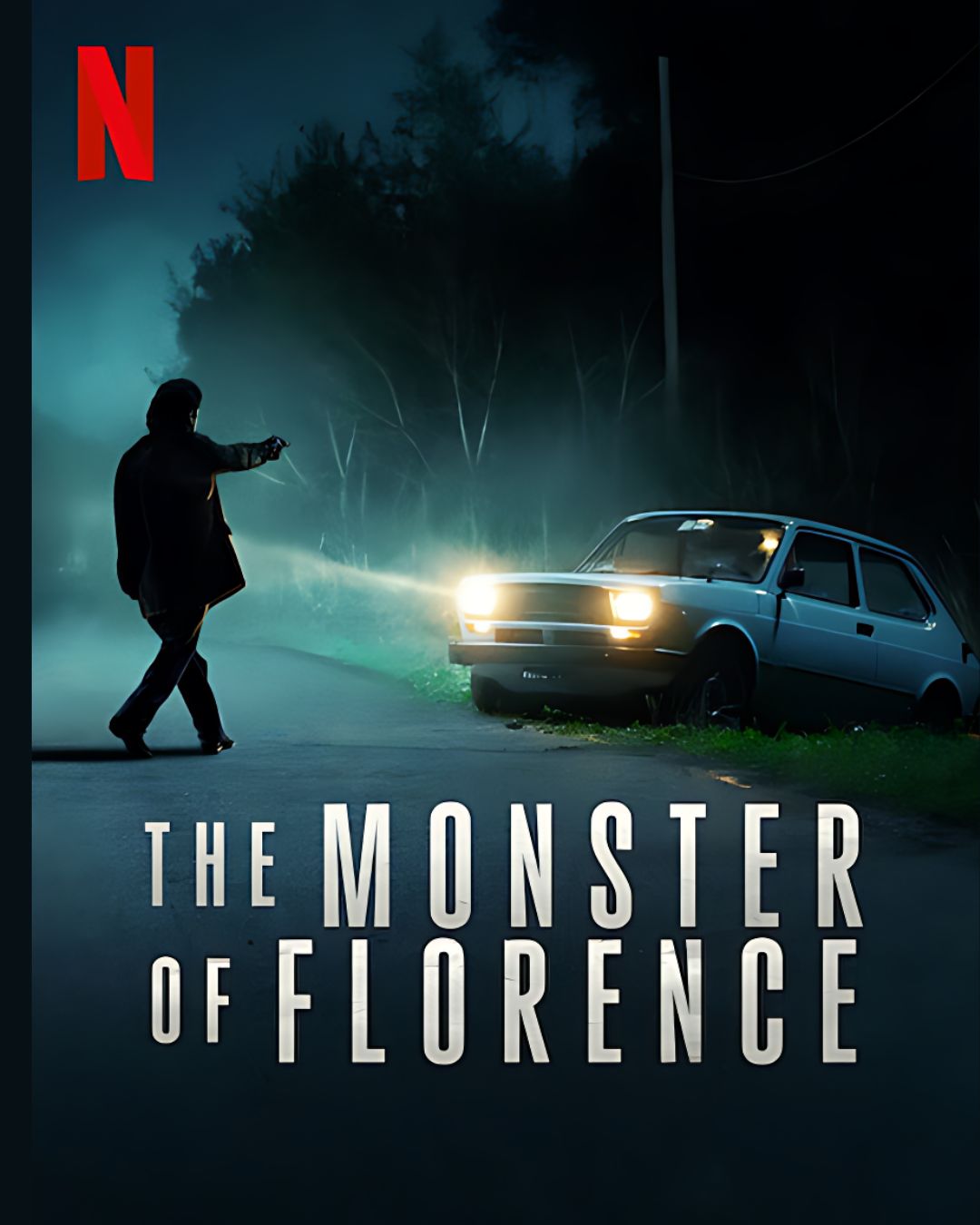
The Monster of Florence
Our Rating: ⭐2.8/5
Network:  Netflix
Genres: TV Dramas, Italian, TV Mysteries, Crime TV Shows, TV Thrillers, TV Shows Based on Real Life
Release Date: October 22, 2025
Seasons: 1
Episodes: 4
Rate This Series
About The Author