The Monster in the Olive Grove: Unmasking the True Crime Horror Behind Netflix’s Monster of Florence
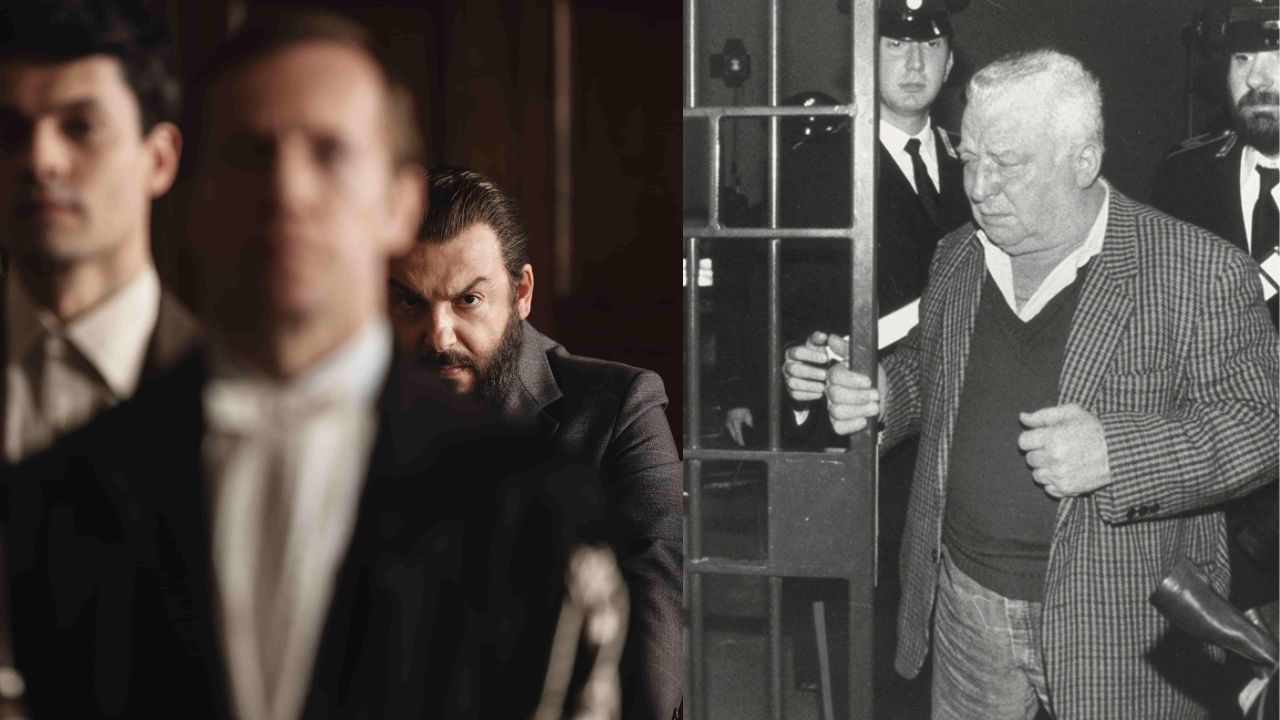
The idyllic hills of Tuscany hold a dark secret. For seventeen years, a predator hunted lovers in the moonlight, leaving a trail of blood, mutilated bodies, and a mystery that remains unsolved. This is the true story of Il Mostro di Firenze.
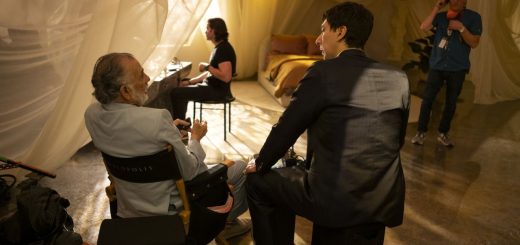
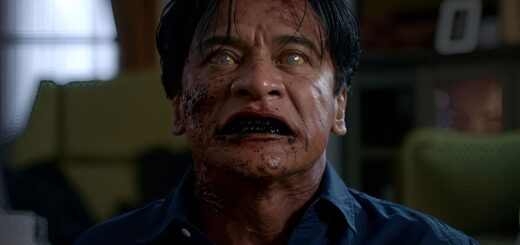
The new Netflix limited series The Monster of Florence doesn’t need to invent horror; it simply revisits the scene of the crime. The series, directed by Stefano Sollima, plunges viewers into one of Italy’s most infamous and complex unsolved serial killer cases—a story so tangled with conspiracy, ritual, and investigative failure that its truth remains elusive to this day.
A Reign of Terror in Paradise
Picture the scene: the rolling hills of Tuscany, bathed in moonlight. A young couple parks their car on a secluded lane, seeking privacy. Suddenly, a figure emerges from the shadows. The silence is shattered by the distinctive pop of a .22 caliber Beretta pistol.
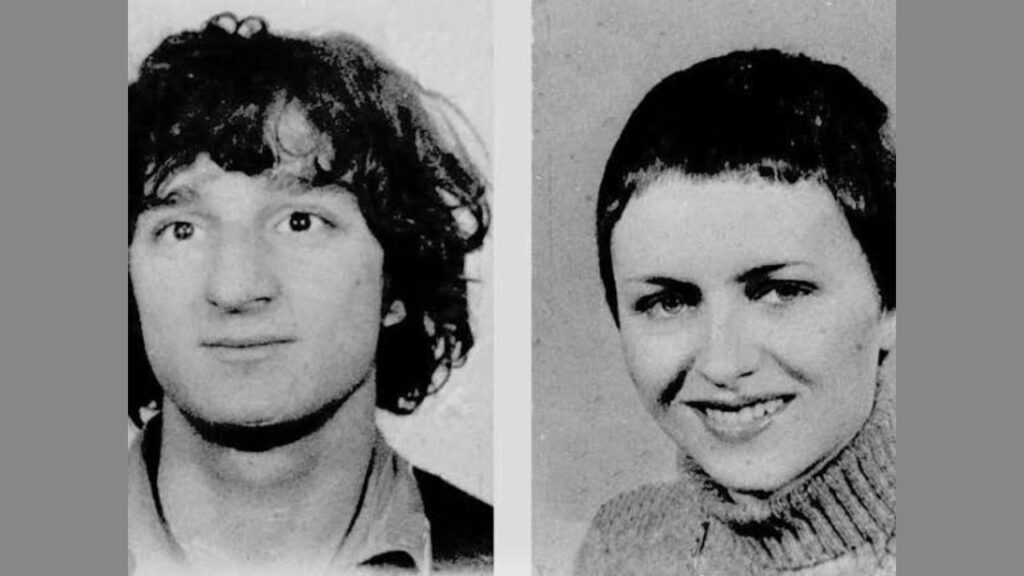
This was the chilling pattern for nearly two decades. Between 1968 and 1985, the killer known as “Il Mostro” murdered 16 people in eight separate double homicides. The victims were always couples, targeted in their cars in the countryside around Florence. The male victims were typically shot. The female victims were also shot, but often subjected to horrific, ritualistic mutilation post-mortem with a knife.
The killer was a ghost. He left behind shell casings, but never the murder weapon. He struck with brutal efficiency and then vanished back into the night, leaving an entire region paralyzed with fear.
Related Stories
When a “Karen” Became a Killer: The Tragic Real Story Behind Netflix Doc Film The Perfect Neighbor
The Double Life: How a Church-Going Dad Hid a Monstrous Secret for 31 Years True Story Behind My Father the BTK Killer

The “Sardinian Lead”: Where the Netflix Series Begins
The Netflix series focuses its lens on the investigation’s early days, zeroing in on the “pista sarda” or “Sardinian lead.” This theory connects the serial killings to a 1968 double homicide that bore the same signature: victims shot in a car with a .22 caliber Beretta.
The case involved Barbara Locci and Antonio Lo Bianco, who were murdered while Locci’s young son slept in the backseat. Her husband, Stefano Mele, a Sardinian laborer, was convicted of the crime. However, investigators later theorized he did not act alone, pointing the finger at his acquaintances, the Vinci brothers.
The series masterfully reconstructs this era, showing the same events from the conflicting perspectives of Mele and the Vinci brothers. The narrative asks a haunting question: Was the Monster of Florence born on that night in 1968?
The “Snack Buddies” and a Web of Suspects
In the 1990s, the investigation took a bizarre turn toward a farmer named Pietro Pacciani. A violent man with a criminal past, Pacciani was put on trial and initially convicted for several of the murders. The press dubbed him the “Monster.”
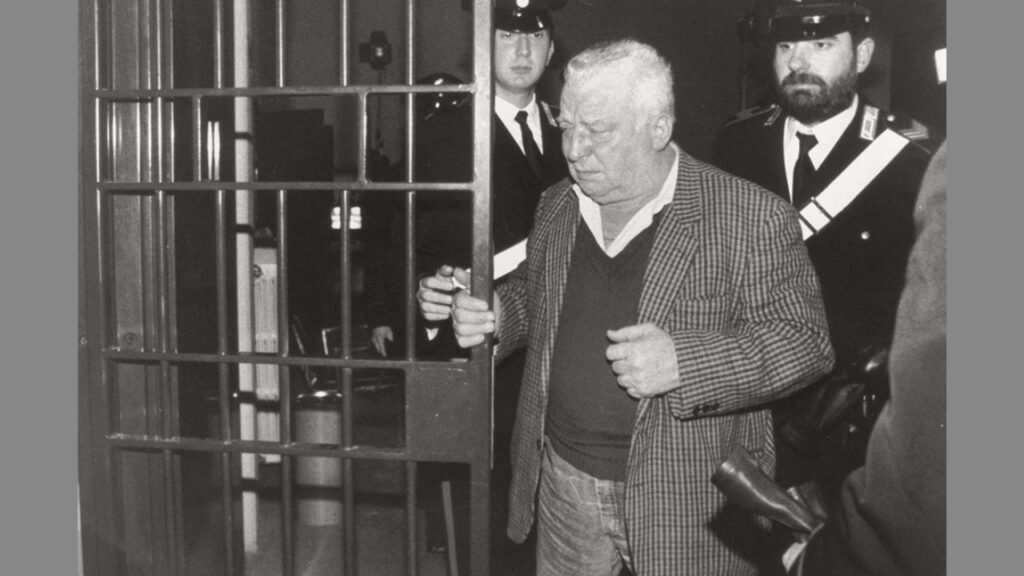
But the story didn’t end there. Pacciani’s conviction was later overturned, and attention turned to his friends, Mario Vanni and Giancarlo Lotti. This trio was ironically nicknamed the “Snack Buddies” after Vanni claimed they were just a group of friends who enjoyed eating together. Lotti eventually confessed and implicated the others, leading to convictions. Yet, the convictions of these men failed to silence the doubts. Many investigators and journalists believe they were accomplices or scapegoats, and that the real mastermind—or masterminds—remained at large.
The Darkest Theories: Satanic Cults and Conspiracies
Why were the female victims mutilated? This gruesome detail fueled the most sinister theories.
- The Satanic Cult Theory: Lead investigator Michele Giuttari became a prominent proponent of this idea. He theorized that the killers were hired by a powerful satanic sect to collect female body parts for use in black masses. The fact that the specific organs removed from the victims were never found gave this theory a terrifying plausibility. This suggested a “superior level” of wealthy, influential instigators who ordered the hits from the shadows.
- The Copycat & “Monsters” Theory: Given the long timeframe and slight variations in the crimes, a compelling modern theory is that the “Monster” was not one person, but several. The initial murders may have inspired copycats, or a loose collective of individuals may have been involved. As one documentarian noted, the case is a “source of fantasies,” and the prevailing belief now is not in a single monster, but in monsters.
A Legacy of Unanswered Questions
Today, the case remains officially open but cold. The .22 Beretta was never found. The full truth of the mutilations was never uncovered. While a few individuals were convicted, the terrifying possibility remains that the real architect of this horror escaped justice entirely.
Netflix’s The Monster of Florence does not offer a neat conclusion because there isn’t one. Instead, it holds a mirror to the darkness, exploring how a beautiful landscape can hide unimaginable evil and how the pursuit of a monster can lead investigators down a labyrinth of dead ends. It is a haunting reminder that some monsters are never truly caught; they simply fade into the legend of the land.
The Monster of Florence is now streaming on Netflix.
About The Author